
Q&A: Maddie Zahm Turns Rejection Into Joy In Her Brand New Single ‘Hometown Letdown’
INTERVIEW
INTERVIEW
☆ BY DANY MIRELES ☆
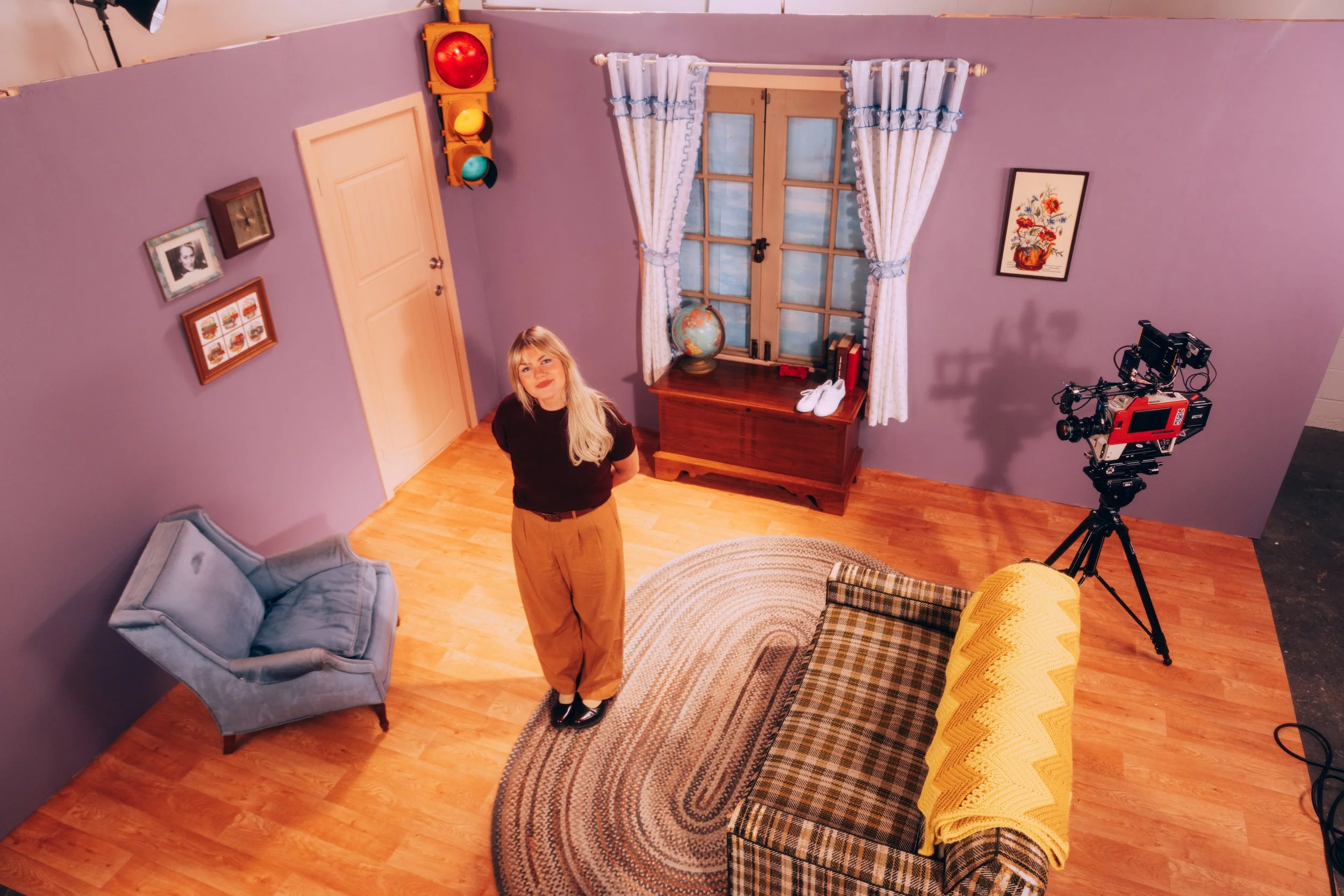
“I DON’T THINK I WOULD BE AS HONEST IN MY MUSIC IF I DIDN’T FIND THE FRIENDSHIP AND COMMUNITY FROM MY PREVIOUS RELEASES”—For Maddie Zahm, “Hometown Letdown” isn’t just a song, it’s a reclamation.
What began as an outlet for hurt has transformed into something unexpectedly full of joy, allowing the singer to embrace a label that once felt painful into a badge of freedom.
The track explores the complicated emotions associated with leaving behind the expectation of one’s hometown, a faith community and the version of yourself others hoped you’d remain. As the latest glimpse into her upcoming album, the single reflects an artist who has become increasingly comfortable with telling difficult stories without apologizing for them.
From processing being in the public eye to finding a community alongside listeners with similar experiences, Maddie Zahm has discovered that vulnerability can be both deeply personal and universal.
In conversation with Luna, the singer discusses reclaiming painful narratives through humor, the emotional growth that reshaped her art and the friendships that have made fearless songwriting possible.

LUNA: “Hometown Letdown” has already resonated with fans before its release. What was it like watching people connect with such a personal story before they had even heard the full song?
ZAHM: Honestly, super incredible to see people resonating with a song that I wrote through hurt feelings. It’s allowed me to find pride in being the hometown letdown instead of feeling set aside. It also puts the pressure on me to make sure the song is just as good as the teaser.
LUNA: You describe this song as moving from anger to humor over time. At what point did you realize you had reclaimed that narrative instead of letting it define you?
ZAHM: I relistened to the song a year ago and realized just how much growth I had gone through to reach a point where the song made me joyful to listen to. Also, seeing just how many ex worship leaders out there have had to reclaim the idea of letting the church down felt so relieving.
LUNA: The lyrics are incredibly direct and sarcastic. Was there ever a moment where you questioned how vulnerable or honest you wanted to be on this track?
ZAHM: 100%. I truly wrote this song out of spite and for myself after discovering what people were saying behind my back and publicly online. I realized that even though at the time they hurt my feelings, I was honestly impressed with the humor behind it. Bringing joy and confidence made it feel less pointed.
LUNA: You’ve said you hope people from your hometown remember the relationships you had and wish you well, even if they don’t understand your choices. Has writing this song changed how you think about forgiveness or closure?
ZAHM: No, honestly. I really do wish them well. And, most of them are very kind to me when we run into each other. I chalk the small percentage of folks that don’t agree with my choices as people who are stuck in the mindset I used to be. I hope they find joy and maybe someday come to my concert perhaps (laughs).
LUNA: Your music often balances heavy subjects with wit and self-awareness. How do you decide when humor is the right way to tell a difficult story?
ZAHM: Oh heavens, I don’t really have a filter for that sort of thing. I think humor is so important and I fear it just spills out of me. I do tend to use more of it when talking about my own experiences as it helps me process.
LUNA: Everything All The Time is such an intriguing album title. How does “Hometown Letdown” fit into the larger emotional journey of the record?
ZAHM: The title Everything All The Time really allows me to explore every emotion, sonic land, etc. It felt like once I came up with that title, I was able to take the bumpers off, so to speak. “Hometown Letdown” feels like an example of direct honesty without feeling apologetic.
LUNA: You’ve built such a strong online community where fans often see themselves reflected in your experiences. Has hearing their stories influenced the way you write this new album?
ZAHM: Of course. I think I typically write about what I am going through, and somehow it ends up reaching the right people, who then share their stories. I genuinely don't think I would be as honest in my music if I didn’t find the friendship and community I have from previous releases. I feel so lucky.
LUNA: From American Idol to now, you’ve grown into an unapologetically authentic artist. Looking back, what do you think your younger self would say if she heard “Hometown Letdown” today?
ZAHM: Honestly, I think she would be shocked but not surprised. During American Idol, I really started to doubt things I had been raised to believe about people I would eventually become like. I really thank American Idol for introducing me to so many people from so many places and forcing me to befriend people the church villainized. It was a mind fuck.
LUNA: Your career has grown tremendously—from viral moments to sold-out tours—but your songwriting has always remained deeply personal. How do you stay grounded in your own voice as your audience continues to expand?
ZAHM: You know what’s strange. I don’t consider myself to be seen or known simply because of the cadence I have with my listeners. If I run into someone, it earnestly feels like I am meeting a friend because of how much we’ve connected. I think the types of people listening to me help me stay grounded. I will always just be tremendously grateful that I got out and experienced what I have. Even if one day it’s gone.
LUNA: If there’s one feeling you hope listeners walk away with after hearing “Hometown Letdown”—especially those who’ve felt rejected for being themselves—what would you want it to be?
ZAHM: For the people on the other end of the comments, I hope they are free to be themselves. For the people who said the comments in the song, I hope they realize we aren’t scary. And honestly, hometown letdowns are quite delightful.
