Q&A: Capturing The Sounds of Seasons Changing with McKenna Esteb’s New Single
INTERVIEW
INTERVIEW
☆ BY DANY MIRELES ☆
Some songs arrive like declarations, loud and insistent; some songs arrive quietly, like the moment you realize the air has changed; the summer has loosened its grip, and something softer, cooler, and more reflective has taken place. “Fall Butter,” McKenna Esteb’s new single ,is a song that doesn’t rush you. It doesn’t demand attention but instead invites you to sit with it and notice the details: the chill setting in; the weight of memories; the way time feels different when you’re standing on the edge of a season and a chapter of your life.
What makes this song so compelling is its honesty. “Fall Butter” doesn’t attempt to universalize its experience by sanding down its edges; it leans into specificity and the stillness of uninterrupted creative time. In doing so, it becomes more relatable for listeners. It understands that change is drastic and dramatic, asking us to grieve what we’re leaving behind while learning how to welcome what is next.
In conversation with The Luna Collective, McKenna Esteb dives deep into the making of “Fall Butter,” how it began as a feeling before it ever became lyrics, how routine helped shape the sound of it and how jazz textures became storytelling tools. This conversation reflects on listening to the seasons, instincts and the small, fleeting moments that define chapters of our lives.
LUNA: When you started writing “Fall Butter,” did the song begin with a specific lyric, a melody or a feeling? How did it evolve from that first spark?
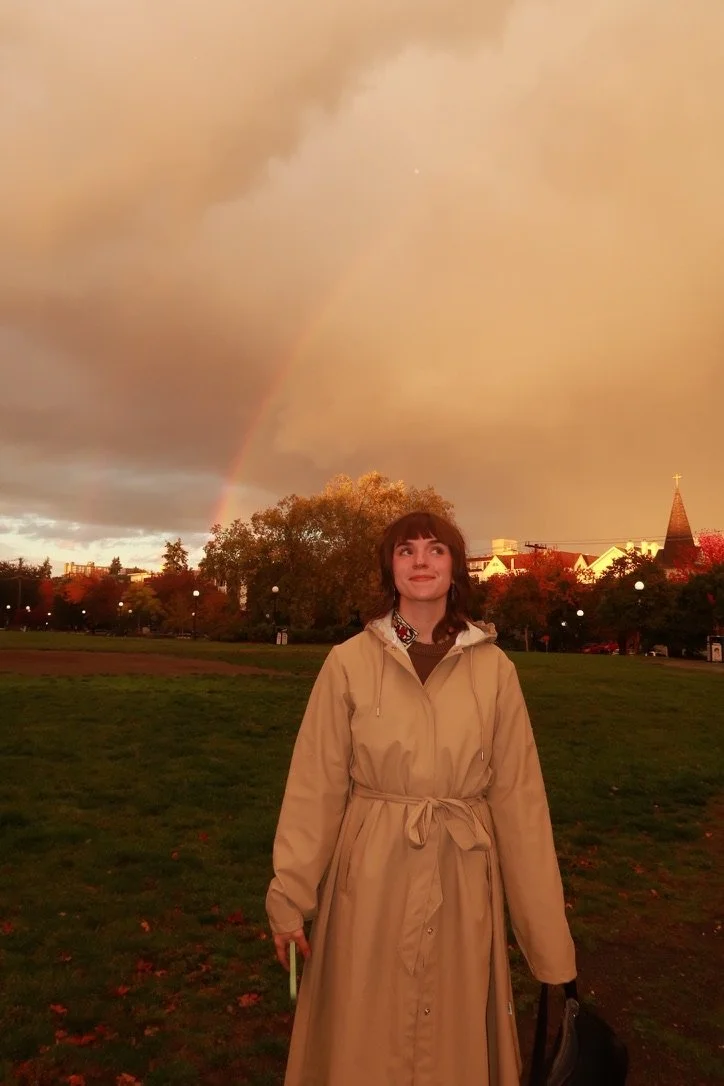
ESTEB: “Fall Butter” started with the chords on my piano and more of a feeling before the lyrics came to be. At the time, I was an artist in residence at Surel’s Place in a beautiful part of Idaho called Garden City, situated right next to the river. I was staying in an artist's house and given a stipend to just create, so I had uninterrupted time for a month to just create. It’s my favorite song that came out at the time. The lyrics and all of it were very situational to where I was at in life at the time. The lyrics “reminiscing on the last summer days, on the corner of 33rd” were super specific, because it was that time of year when summer slips into fall and it finally starts getting cold. The house I was in was on 33rd Street and looked outside to that street sign.
LUNA: You’ve mentioned this song was very literal to a time in your life. How do you decide what details stay true to life and what gets softened in the writing process?
ESTEB: I try to be as honest and put everything I’m feeling in there as much as possible. I think the more honest the song, the better. Writing music is really like a journal to me. It should be a place to put all your thoughts and emotions so you can release them. I try not to soften things. If anything, maybe I will slightly change a situation or a character to keep the anonymity of someone’s identity. But typically it's pretty clear what I’m writing about!
LUNA: The song feels unhurried, almost like it’s moving at the pace of the season itself. How conscious were you of pacing and space while arranging the track?
ESTEB: I love that you say that—that’s absolutely what I was going for! I would say the pace itself came pretty naturally, just because of how I was feeling with the seasons changing. Trying to take it all in, take it slow, while grieving the summer (because I love the sun). So there is a bit of a melancholy feel in there while also still trying to embrace that change and the good that the cold and other seasons bring. The horns added a very nice and soft sound that felt like fall. A lot of jazz music with piano and trumpet or sax tends to just make me think of fall and crunching leaves on a nice crisp walk.
LUNA: Writing during your Surel’s Place residency, what did a typical creative day look like for you?
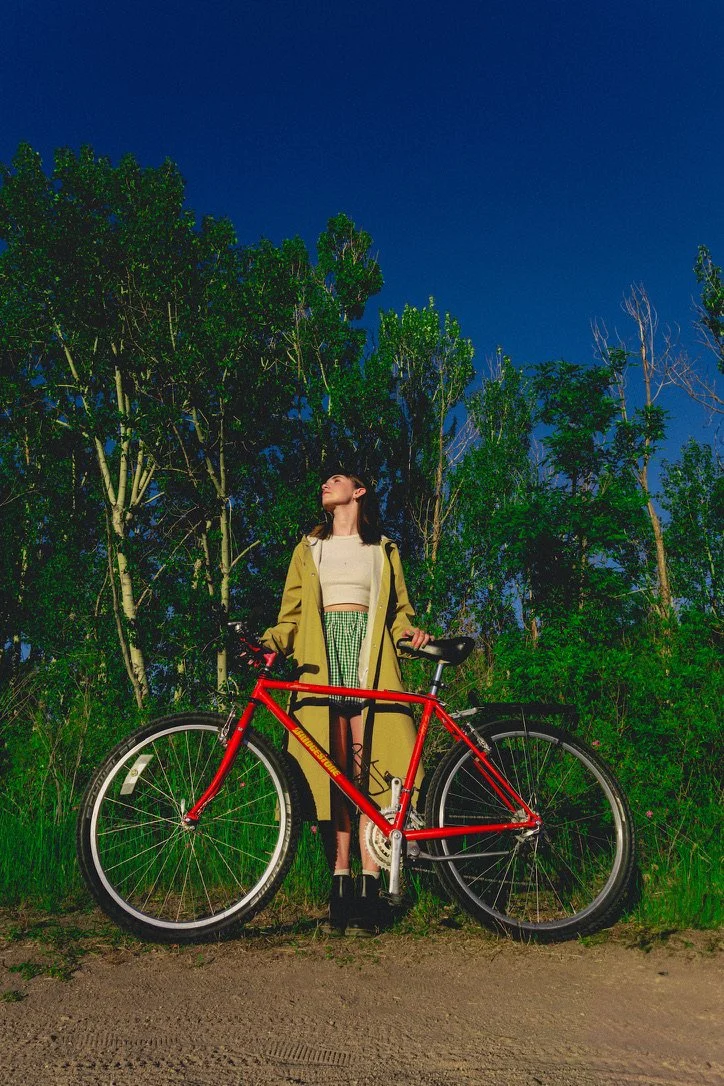
ESTEB: Each day looked pretty different. There were a few routines I had, like making tea, rehearsing/warming up, going for a bike ride and meditating on a dock on a lake nearby. But during this time, I was writing a handful of songs, as well as prepping for a class I was teaching on journaling and songwriting. I was also prepping for a festival I was performing at and filming a few music videos with friends, as well as creating my final performance where I’d be showcasing what I created during the residency. During that time, I was doing a lot, but the nice part about the residency was that it was a month where I just got to focus on music instead of working at other jobs or paying bills. It was really nice.
LUNA: How do you know when a song about change has said enough, without over-explaining the feeling?
ESTEB: That’s a good question. I can’t say if that’s something I do well or not, but I think the key to not over-explaining is to let your actions speak for you—less is more. Being concise, sharing through metaphors so a wide variety of people can relate, but also explaining through the music itself gets the point across. Like a key change or a bridge to show the listener, “Hey! Things are changing!” without having to say that.
LUNA: Sonically, the piano and textures feel like they’re breathing with the lyrics. At what point does your production become part of your storytelling rather than just accompaniment?
ESTEB: I think from the beginning, the music tells the story with the lyrics as I go. Most of my songs start when I’m at the piano or hearing a melody.
LUNA: What role does improvisation play in your songwriting or vocal takes, especially with your jazz-leaning influences?
ESTEB: I tend to like my songs pretty structured. I’m a bit more rigid with my songwriting, which probably means I should improvise more! When playing live, I may improvise vocally, or I love to have the instrumentalists in my band improvise.
LUNA: How do you balance intuition versus intention in your creative process? Do you trust your gut, or do you revise toward a clear vision?
ESTEB: I think they go hand in hand! I think it is important to pay attention to both. Typically songs start with a bunch of gibberish, and that is all just feeling and emotion. Then I go back and edit and really think about what the goal is with the song.
LUNA: Are there sounds, chords or instruments that you associate specifically with autumn or transitions that naturally found their way into “Fall Butter?”
ESTEB: Yes. Jazz, soft piano, horns. Pretty much everything in “Fall Butter!”
LUNA: What’s next for you? What should fans look forward to in this new year?
ESTEB: I will be releasing my second album this year, and I am so excited! Next single will be released February 13 called “Wish I Smoked.” We are playing in Salt Lake City on January 30 and at Treefort Music Fest in Boise, ID, in March.