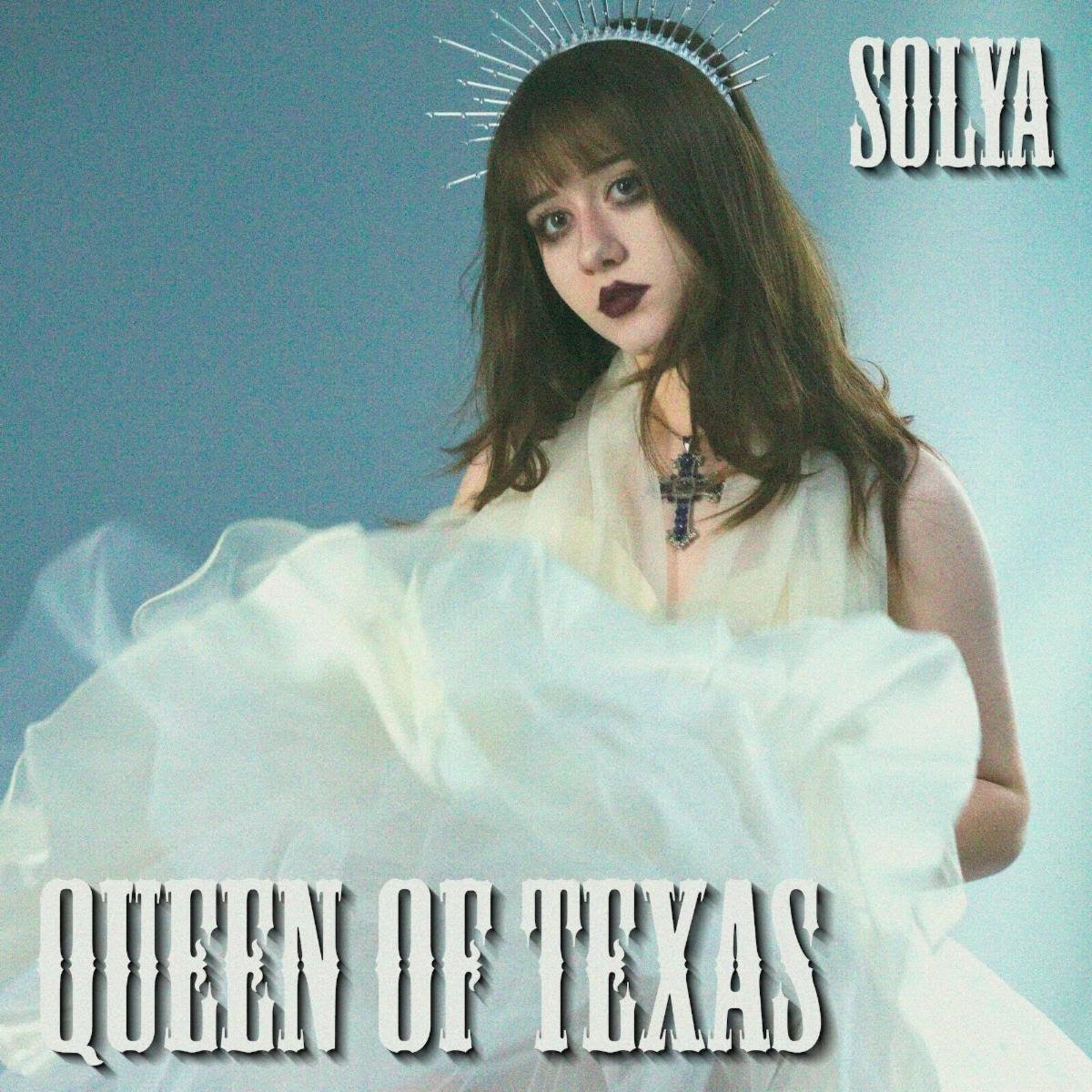
Q&A: Solya Reclaims What Has Been Taken From Her in Debut Album ‘Queen of Texas’
INTERVIEW
INTERVIEW
☆ BY KIMBERLY KAPELA ☆
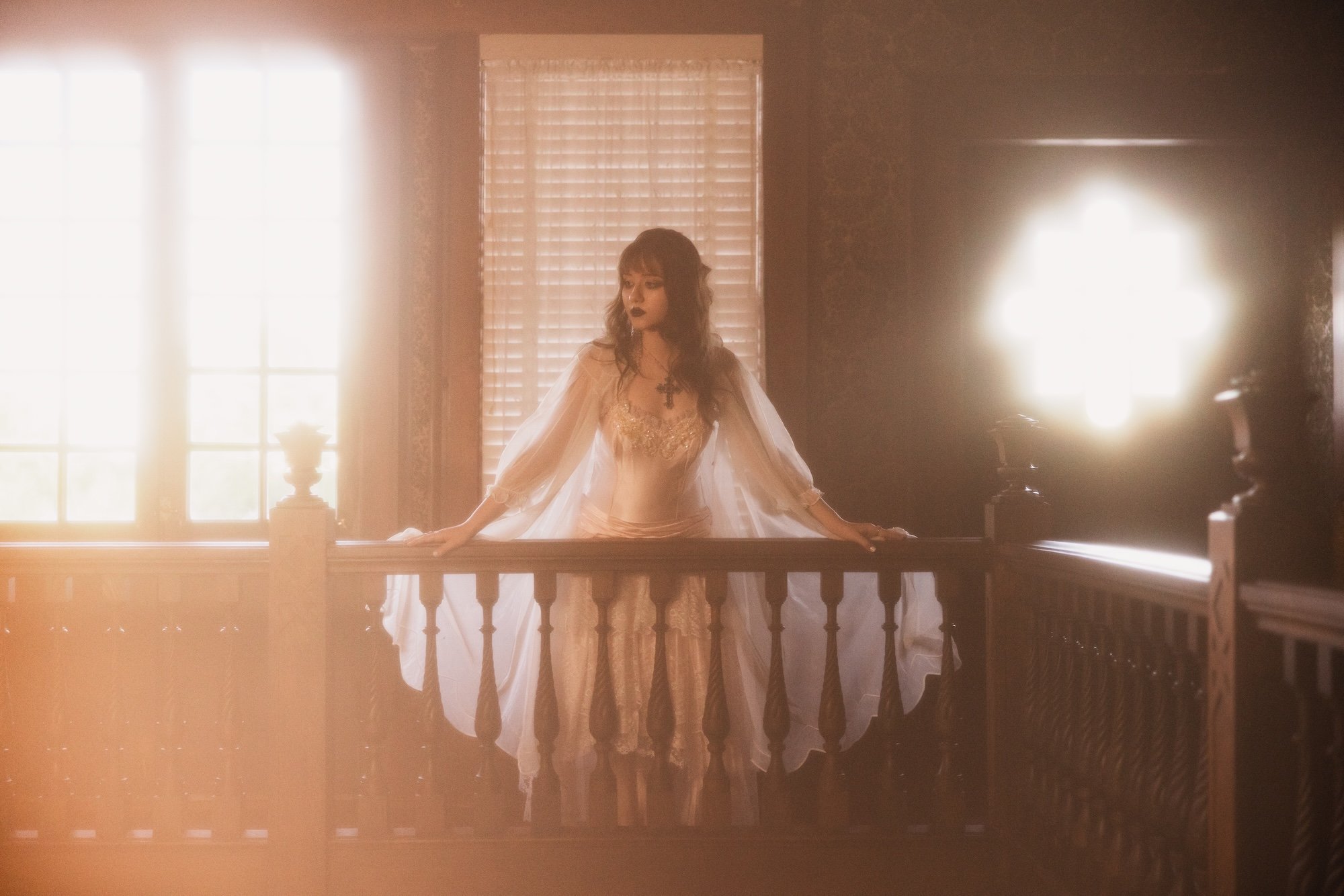
Photo Credit: Alyssa Voss
THE QUEEN OF TEXAS HAS ARRIVED — Texas singer, songwriter, and multi-instrumentalist Solya is taking back her narrative. With the announcement of her debut album Queen of Texas, set for release on March 6, the songstress steps into a new era defined by empowerment, reflection and hard-earned healing. At the heart of the record reclaiming what was lost and transforming pain into purpose.
“[Queen of Texas] is taking back what has been taken from me,” Solya says to Luna. “I want people to feel empowered when they listen to the record. Queen of Texas is me coming to terms with the past and moving on. This whole record is my way of moving on from what has hurt me.”
Leading the charge is “Tell Me It’s Over,” a slow-burning, guitar-led single that follows the end of a toxic relationship, allowing space for anger and finding closure without apology. It’s restrained yet piercing, setting the emotional tone for an album that finds strength in confessionals.
Queen of Texas was written and recorded entirely within the Lone Star State, taking shape in Lockhart, TX alongside producer Danny Reisch and a close-knit circle of Texas-based collaborators. Solya penned every track herself, handling rhythm guitar, synthesizers and piano, while Reisch added percussion and Jason Chronis brought bass and lead guitar into the fold. Together, they expanded the bedroom intimacy of Solya’s early releases into something richer and more immersive, without losing the vulnerability that made her music resonate in the first place.
Sonically, the album drifts between warm Americana and dreamy indie rock, wrapped in lush arrangements that blend retro pop harmonies with twang-tinged textures. Across Queen of Texas, Solya moves through heartbreak, anger, and the quiet complexities of growing up queer in a conservative small town.
As her sound spreads beyond West Texas, Solya remains inspired by the music she grew up with and the Southwestern landscape she considers home. “I think a lot of artists feel the need to move to New York or LA to be successful,” Solya shares. “I don’t feel that I need to move to a big city because I draw inspiration from where I grew up. I just want to be the Queen of Texas.”
To celebrate the release of Queen of Texas, Solya will hit the road on her headline Queen of Texas Tour. The tour marks Solya’s first run supported by a backing band and kicks off with a string of Texas dates this February before expanding to 24 major markets across the U.S. and Canada from May through July.
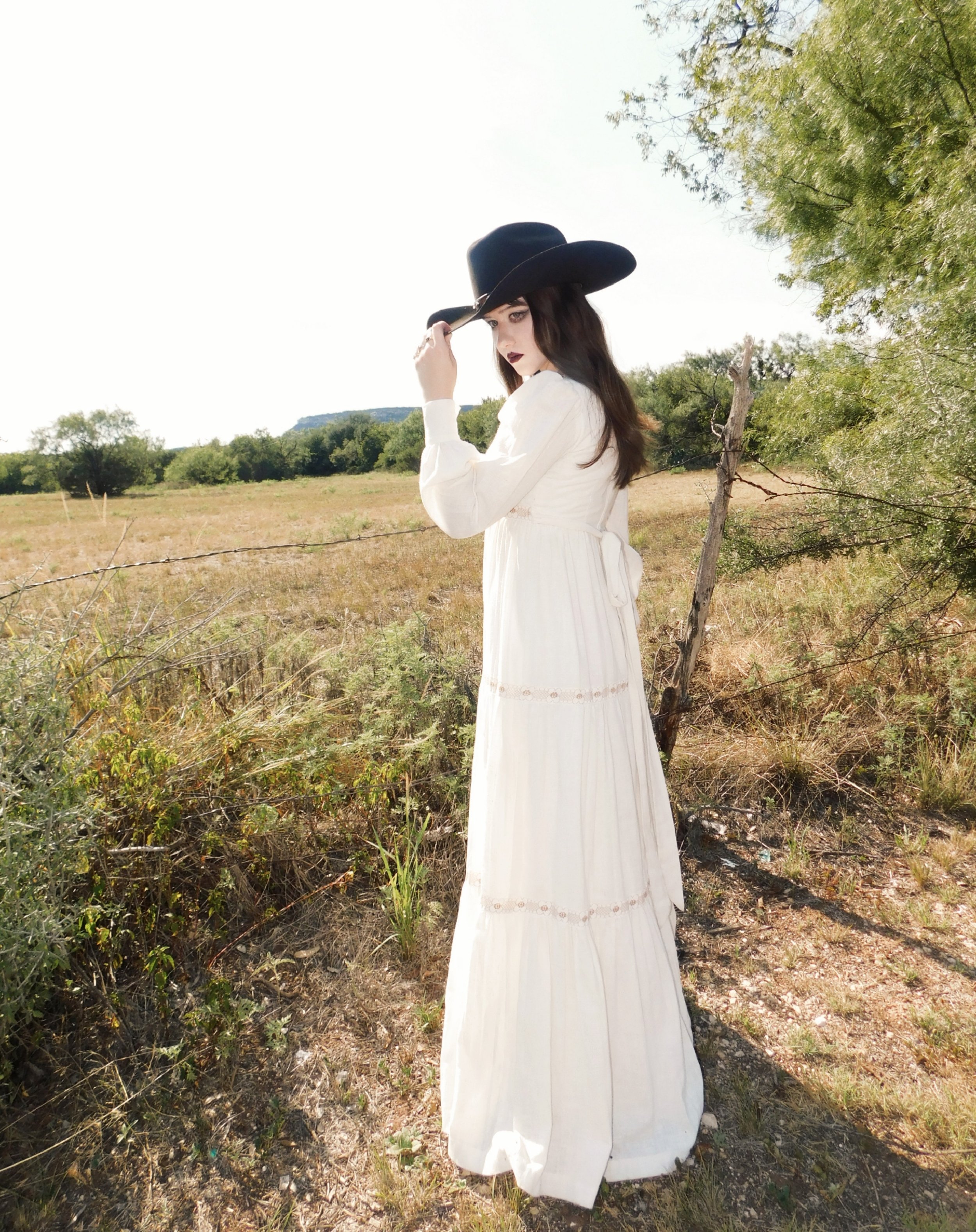
Photo Credit: Haley Self
LUNA: Thank you for talking to Luna. Our readers would love to get to know you and your music more. For any readers who aren’t familiar with you yet, what inspires the atmosphere or sonic world you aim to create for your listeners?
SOLYA: I would say my own personal experiences, and then I like to build a wall of sound. I think that was inspired by a lot of the music I grew up listening to, because my parents would play pretty old music on their record player, like David Bowie, Warren Zevon, Harry Nielsen, Neil Young, all those kinds of artists. That really stuck with me. I remember as a kid, I was very inspired by David Bowie. I saw him in Labyrinth. I saw him singing “Star Man” and I thought that is what I want to be when I grow up. I admired that he didn't care what anybody else thought about him. He just did his thing, and that's what I aim to do as well.
LUNA: Your newest single “Tell Me It’s Over” channels anger, clarity, and release after leaving a toxic relationship. What made this song the right introduction to the world of Queen of Texas and what inspired the track or the feeling to the surface?
SOLYA: I'd say the feeling is definitely inspired by the 1950s and the 60s. The time signature is very 50s feeling. I wanted it to sound raw. It was recorded on completely analog equipment, so it adds to the old school sound of it. The inspiration was leaving a toxic relationship, and it's not about being sad. It's about how after the sadness is gone and all that's left is anger for staying. I was angry that I stayed for so long.
LUNA: The album title “Queen of Texas” feels powerful and boundary-breaking. What does claiming that title mean to you personally, especially as a queer artist from a small town?
SOLYA: I say it is taking back what has been taken from me. I want people to feel empowered when they listen to the record. I don't want people to feel sad when they're listening to sad songs. I want them to be able to feel seen. Queen of Texas is me coming to terms with the past and moving on. This whole record is my way of moving on from what has hurt me.
LUNA: West Texas played a big role in the making of this album. Can you paint a picture of what that environment brought to the sessions emotionally and creatively?
SOLYA: It's pretty desolate here. There wasn't really anything to do, and so the reason that I became an artist was because I had to be creative. I had to make my own outlet because there wasn't anything available for me to express myself or my creativity. I had to make my own world to live in. It's like a small city and it's pretty conservative. It's very yellow and dead.
LUNA: I would love to touch more on the creative process behind the album. You worked with producer Danny Reisch and a circle of Texas-based collaborators. What was it like bringing him into your creative process, and how did he influence the sound of the album?
SOLYA: At first I was really scared because I had only done things in my bedroom. I had only made things by myself, and so it scared me to bring other people into it, because I was controlling about everything. When I met Danny, I realized that he really cares about music. He really cares about the quality and the sound. Him recording on analog equipment and our ideas aligning all the time worked out so great. I also worked with Jason Chronis, who is in the band Tele Novella and Voxtrot, and he played bass, slide guitar and baritone guitar. Danny played drums in it. Everyone that I worked with on this album is Texan, so I think that they really understood me and they really understood what I wanted to bring into this album. I played rhythm guitar and synthesizers on it.
LUNA: Do you have a personal favorite song on Queen of Texas — one that feels closest to your heart or most revealing of who Solya is right now?
SOLYA: That's so hard for me, because I feel like every time I'm asked this, my answer changes every time. Right now I'm feeling the title track “Queen of Texas.” I think that's what I'm feeling at the moment right now, for the most part. I do have a line in there where I say, “I'll forever be stuck the same,” and I don't relate to that anymore. I wrote that when I was 18, and I'm about to turn 20. I feel like I have changed so much, and so I don't relate to that, but pretty much everything else I said in that song, it still stands.
LUNA: Many of the songs reflect on heartbreak, identity, and growing up queer in a conservative small town. How do you hope listeners — especially your queer audience — can connect with or find power in this new era of music from you? What emotions or messages do you want to leave with them?
SOLYA: I want them to feel seen and I want them to feel empowered, to not feel like they have to hide. I want them to know that their entire identity and everything about them is beautiful. I want to be a light for everyone.
LUNA: The Queen of Texas Tour will be your first run with a full backing band. How is that changing the way you’re envisioning these songs on stage?
SOLYA: I'm really excited about that because Danny and Jason are coming with me, and they will be my backing band, so they're going to play the instruments that they played on the album on my tour, and that's really exciting. Tele Novella, Jason's band, is coming with me, and that's very exciting too because I love them. In the past, I have been alone on the stage, and I have used loopers and I played synthesizer and guitar, and I'm still going to play synthesizer and guitar and loop a little bit, but I think that the band will make it fuller. It's the next step into my new world because it has changed. It used to just be me in my bedroom and now it's changing.
LUNA: You’ve already had sold-out tours and milestone shows like the Troubadour. As you head into this new album cycle and your biggest tour yet, what are you most excited for fans to experience — not just in the music, but in the world you’ve built around it?
SOLYA: I feel like my fans, they will meet at the concerts and it's a community. I've noticed people have told me that they've met their best friend at my concert, and that means a lot to me, that they're connecting through what I've put out into the world. I remember my last tour, my last few shows, when I started singing “Movie Star,” people were waving pride flags in the air. That meant a lot to me. I almost started crying. I just feel like it's safe. I think sometimes people feel like they have to hide from the world, and I hope that my concerts, it's a place where they can be who they are.
LUNA: What is fueling your fire right now that’s pushing you into this next chapter in your career?
SOLYA: Seeing so many people connect to the music that fuels me to continue doing that, because I have artists that feel like a safe space for me, where I listen to their songs and I feel less alone. I hope that I can be that for people. I want to provide that for people.
LUNA: How are you feeling in this current era of your career and what does the rest of the year look like that you would like to share with Luna?
SOLYA: I'm already writing another album right now.