
Q&A: OURAA on Heritage, Vulnerable Prayers and the Power of Community on “BABA”
INTERVIEW
INTERVIEW
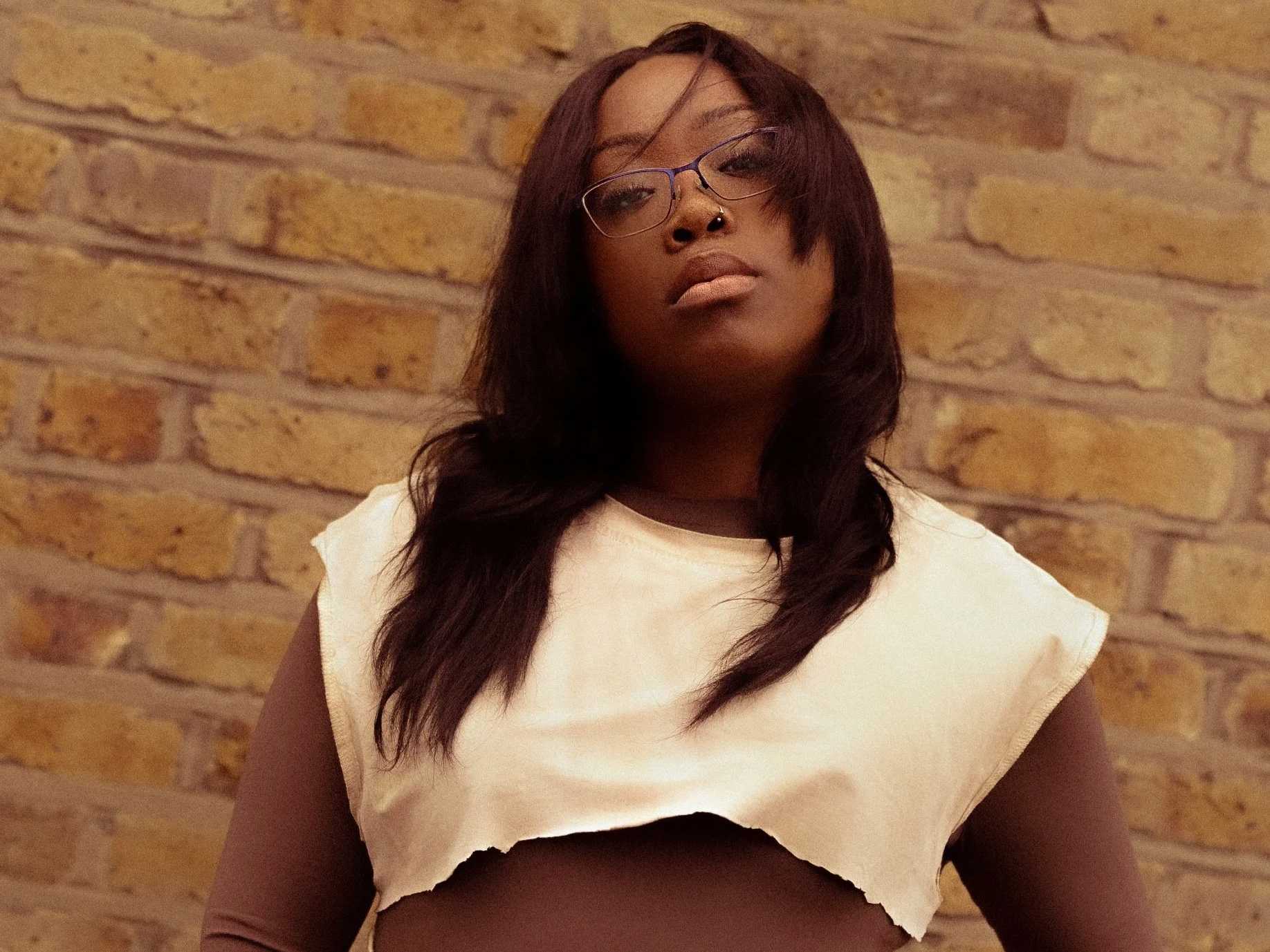
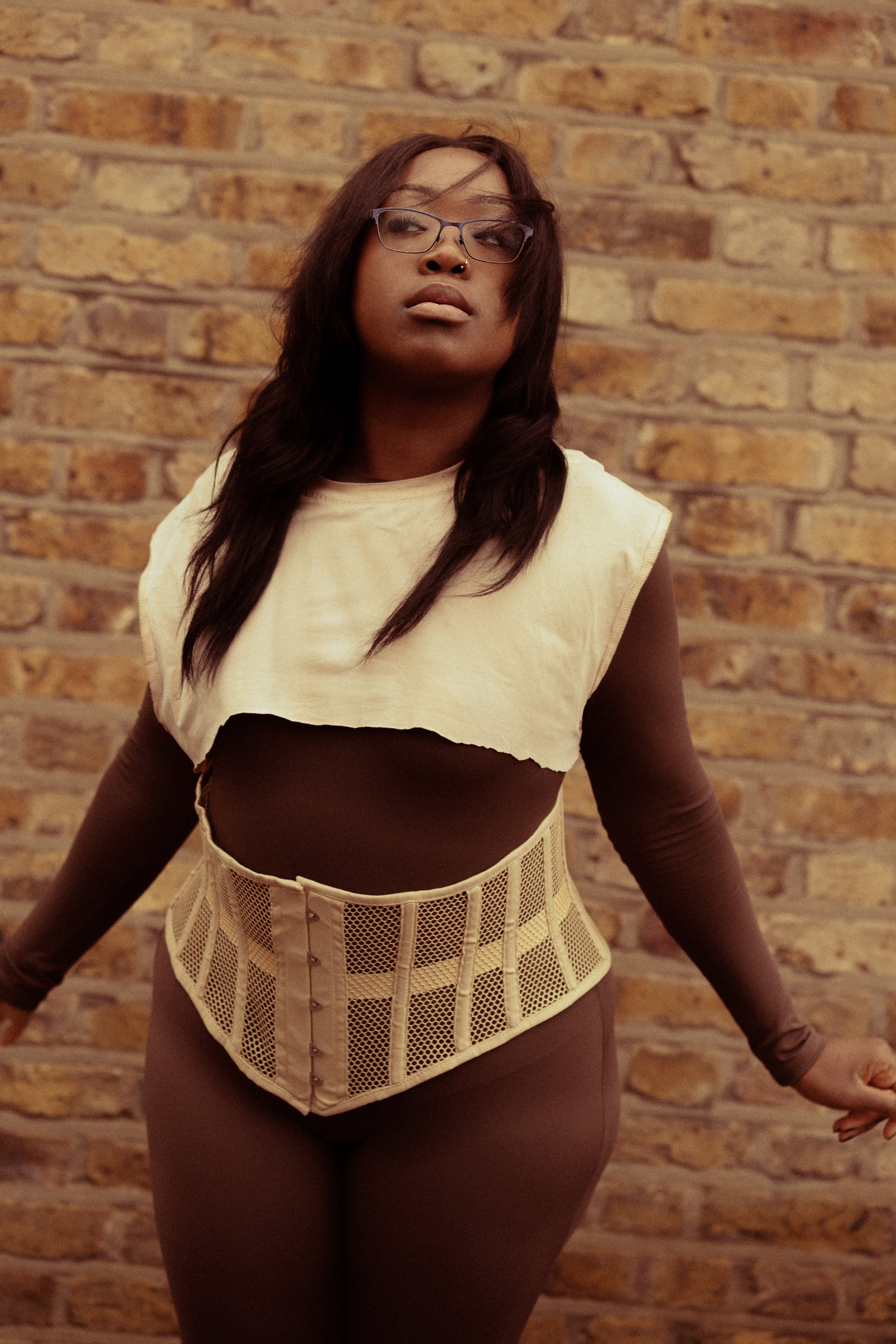
SOUTH-EAST LONDON SINGER, SONGWRITER AND POWERHOUSE OURAA is back with her compelling new single, “BABA”. Following the widespread acclaim of her previous release, "3am," which garnered support from the likes of COLORS and Noctis Magazine, this new track marks an exciting milestone as she transitions fully into the pop and dance music space. Having already lent her vocal talents to heavyweights like Little Simz, Ella Eyre and The 1975, OURAA is stepping confidently into her own spotlight with a refreshing sound that blends deep house energy with personal, vulnerable storytelling.
At its core, “BABA” serves as a raw, honest prayer in the middle of a heavy and chaotic world. Written as a conversation with God, the track addresses the collective exhaustion of modern life while offering a reminder to hold onto faith when things feel uncertain. By pairing traditional Yoruba lyrics with an unorthodox, club-ready house beat, OURAA creates a vibrant melting pot of her musical and cultural influences. The release is accompanied by a striking performance video directed by Tobi Kenneth Fadoju, featuring choreography from her longtime friend Anmol Kaur, which transforms the single into a deeply moving visual celebration of friendship and creative freedom.
Read below to learn more about how OURAA balances heavy themes with infectious dance grooves, her ongoing journey to reconnect with her heritage, and the ride-or-die community that kept her hyped from the first frame to the finish line.
LUNA: You’ve called “BABA” a “vulnerable prayer in the middle of chaos”. How did you find the balance between such a heavy message of exhaustion and the vibey house energy of the track?
OURAA: There was never really a moment where I had to figure out the balance between those two moods because I’ve never given myself many rules when it comes to making music. In my brain, the more it doesn’t sound like anything I’ve already heard, the better. As soon as the production started, I instantly heard the “BABA” hook and we just took off from there.
LUNA: Why was it important for you to use your heritage to anchor this specific transition into the pop and dance space?
OURAA: It started to feel like a part of me was being erased in real time because I never properly learned the Yoruba language. I used to ask mum to teach me, but at the same time she wanted to improve her English, so that naturally took priority. Then I got older and older and it just kept getting pushed further down the to-do list.
Now I’m kicking myself because when you’re a kid it’s so much easier for your brain to absorb new things compared to when you’re an adult. I’ve downloaded a few apps now though and I’m really trying to reconnect and become more aligned with my heritage. So keep an ear out because there’ll definitely be little lines and moments that pop up here and there.
LUNA: This performance video was a major collaboration with your longtime friend and choreographer Anmol Kaur. How does that sense of community on set help bring the “BABA” story to life?
OURAA: It helped “BABA” come to life really naturally because I was surrounded by people I trust and love. That made it so much easier for me to unlock the dance side of my music again. I haven’t danced like this since secondary school and my joints are definitely feeling it 😮💨
The idea of dancing in front of people who had never seen me dance before was honestly nerve-wracking, but because I was around people I know so well, I never felt judged if I made a mistake. Instead, everyone encouraged me and pushed me to make sure we got the best takes possible.
We started filming really early and I was moving nonstop until the very end, so it was exhausting, but my team were so attentive the whole time. They made sure we had breaks to decompress and recharge, then hyped me up all the way to the finish line. I love my family and friends, my team, with everything I have because they really are ride-or-die soldiers. As my music journey keeps growing, I want to keep my people close in every part of it, especially shows, sessions & touring, so it always feels like one massive school trip.
