
Q&A: Paris Paloma Turns Herself Inside-Out on ‘The Fatal Flaw’
INTERVIEW
INTERVIEW
☆ BY KIMBERLY KAPELA ☆
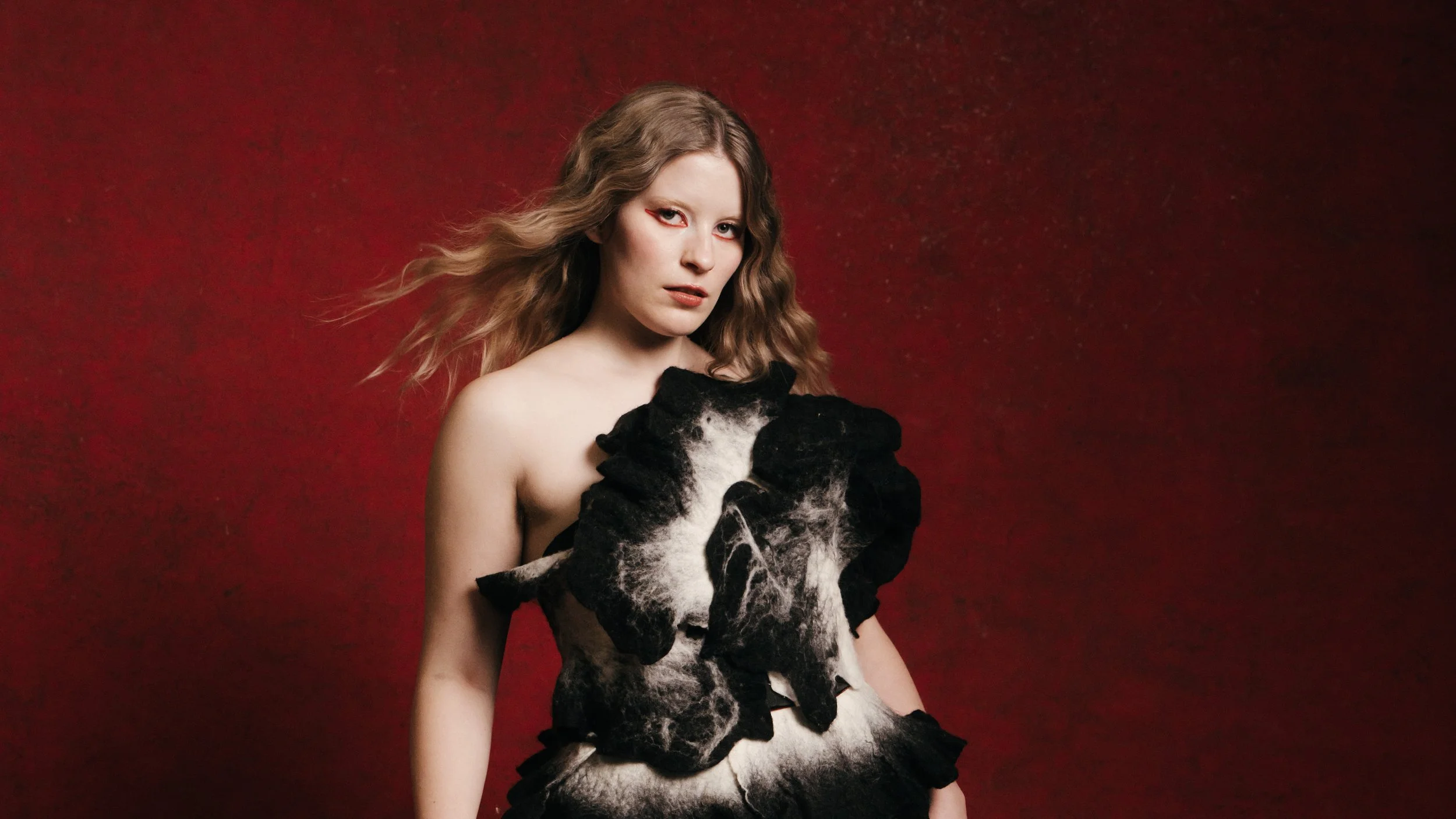
Photo Credit: Phoebe Fox
AN EPIC TALE OF LOVE, LOSS AND BECOMING — For Paris Paloma, emotions are not something to be neatly contained. They are something to excavate, examine and, ultimately, surrender to. On her sophomore album, The Fatal Flaw, the singer-songwriter turns herself inside-out, tracing the depths of love, grief and desire.
Arriving September 4, The Fatal Flaw follows Paloma’s acclaimed 2024 debut, Cacophony, but ventures somewhere far more expansive and exposed. Where Cacophony functioned as a window into Paloma’s inner world, her follow-up pulls that internal realm outward. Through intricate lyricism, soaring vocals and richly layered production, Paloma conducts an intentional post-mortem of her own emotions.
“I wanted this album to feel like you just fell into the deepest inner world that everybody has within themselves, and all of these songs are paintings and tapestries for great halls and they tell ancient stories,” Paloma tells Luna.
The album’s title takes its name from the opening line of Donna Tartt’s seminal novel The Secret History, setting the tone for a record entrenched in literature, art, mythology and romanticism. Paloma’s influences stretch from the dramatic seascapes of J.W. Turner to the writings of intersectional feminist Bell Hooks and the visual language of the Pre-Raphaelites. The album’s artwork features a great red tree inspired by Ithell Colquhoun’s Diagrams of Love. Its intricate root system mirrors the architecture of the record.
That relationship comes sharply into focus on “I Cry In Front Of Paintings,” the album’s closing track and latest single. Following songs such as “Pre-Raphaelite” and “Miyazaki” — an impassioned defense of human-made art in the age of AI advancements — the track captures Paloma’s devotion to art, nature and mythology. Its stripped-back production and intimate video features Paloma alone addressing the camera.
Paloma describes the track as “the slow step into gentleness, safety and love,” arriving after the album’s more bitter, terrifying and passionate explorations of self-worth and desire. Its story is rooted in two disparate memories: standing before a Rothko painting at 17 and struggling to understand why she could not cry, then standing before a lover at 23 and wondering why she could not love them in the way she wanted.
“‘I Cry In Front Of Paintings’ is the release at the end of the album,” Paloma says. “When I was 17, I stood in front of a Rothko painting, not knowing why I couldn’t cry in front of it like other people did. At 23, I stood in front of a lover, and didn’t know why I couldn’t love them how I wanted to. Both times I blamed myself, worried I was incapable of loving, incapable of appreciating art. ‘I Cry In Front Of Paintings’ is the relief of emotional epiphany, where you find love, you find understanding, just not where you thought or expected. It’s about the sense that you were always meant to find it, when you were ready for it, when you were able to accept the love you deserve.”
In both moments, Paloma says, she turned the inability inward, questioning whether she was somehow incapable of appreciating art or giving and receiving love.
“I hope it can unlock the depth of feeling in listeners that maybe they don't allow themselves to feel,” Paloma says. “And it helps them to not be frightened by it, and to understand their rich and deep inner worlds, and allow all of the contradictions of themselves to exist adjacent to each other without trying to silence them.”
By the album’s closing moments, the excavation gives way to acceptance and the emotional post-mortem is complete. The Fatal Flaw is an active process of examining what has been buried, questioning what we believe we deserve and learning to recognize vulnerability as something other than weakness.
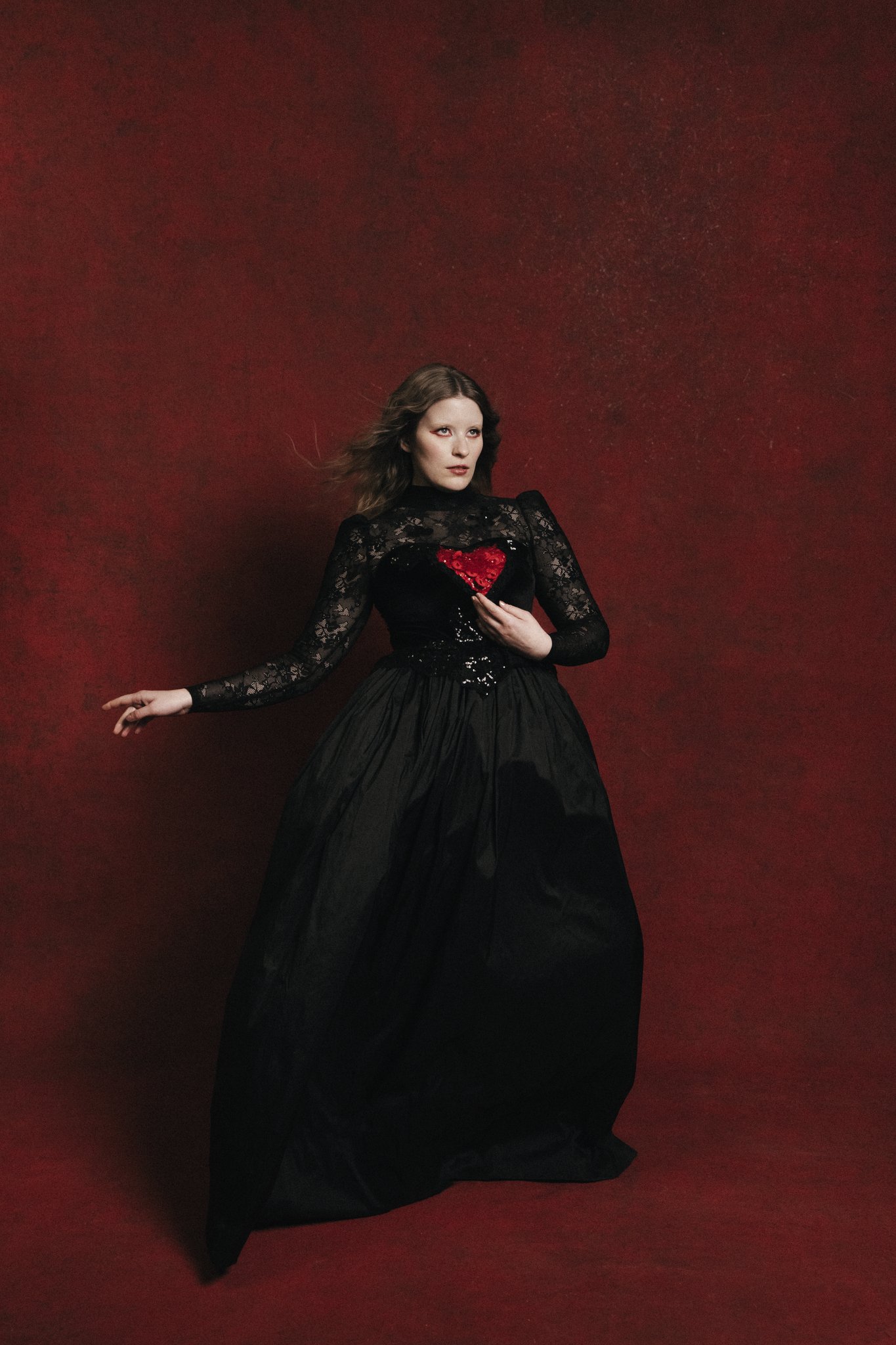
Photo Credit: Phoebe Fox
LUNA: Thank you for talking to Luna. Our readers would love to get to know you and your music more. For any readers who aren’t familiar with you yet, what kind of atmosphere or emotional space do you aim to create for your listeners?
PARIS: A very rich one that is really rooted in the feelings that you might not otherwise allow yourself to feel, so there's a lot of catharsis. There's a lot of empowerment and being in touch with your own voice.
LUNA: “I Cry In Front Of Paintings” feels like a moment of emotional release after a much more turbulent journey. When did you realize this song needed to close The Fatal Flaw?
PARIS: It's a very gentle song with really intentional lyrics. It is the sister song to “Rothko,” which is near the start of the album. In “Rothko,” I talk about how when I saw a Rothko painting, people often cry in front of them, and I didn't. It reminded me of when I broke up with someone and I wanted to love them, but I couldn't, and both times I blamed myself. I thought something was wrong with me. I thought that I couldn't appreciate art in one instance, and I didn't understand something, or in another, I worried that I would never love people as I wanted to.
I never really knew what love was, and “I Cry In Front Of Paintings” ends the album because it is the full circle sister song to “Rothko” of having emotional epiphanies that look different to what you thought they would look like. That's what the line “I cry in front of paintings now, but not the ones I thought” is in reference to. It's about undergoing that journey of knowing yourself and being in touch with your emotions and understanding the love that you deserve, and then being able to find it once you know what it is that you deserve. The song rejects the idea of fate, and it talks about the fact that we can choose the love that we deserve, and when you love yourself, you know what's good and kind and gentle, and what's going to feed you and expand you.
LUNA: The music video for “I Cry In Front Of Paintings” is incredibly stripped back, with you alone addressing the camera. What drew you to such an intimate visual approach?
PARIS: We weren't originally going to do one and I knew we needed to have a visualizer because of how much the song engages with visuals and because of what an emotional performance it is. It felt like I needed to have that direct interaction with the viewer and listener. We shot it at Wightwick Manor in Wolverhampton, which is this beautiful Pre-Raphaelite lighthouse. It links it to the other songs on the album that are about this gallery space and the Pre-Raphaelite lights — like the song on the album — and it really pulls it all together with the other songs on this album.
LUNA: The Fatal Flaw is your sophomore record and a huge congratulations is in order! You’ve described Cacophony as a window into your inner world, while The Fatal Flaw turns you “inside-out.” What changed in your approach to vulnerability between these two albums?
PARIS: I was very intentional that I wanted this album to be about love and about art. I think as a woman, often, I've shied away from writing about love because of how much women's feelings can be trivialized. You write about love, and sometimes people just act like you're writing with your gel pen in your diary and there's no weight to it, when actually all of these songs are articulating emotions that are enormous and sometimes feel insurmountable. I wanted this album to feel like you just fell into the deepest inner world that everybody has within themselves, and all of these songs are paintings and tapestries for great halls, and they tell ancient stories, and that's what I wanted it to feel like.
LUNA: The Fatal Flaw is described as an epic tale of love, loss and becoming. What did you discover about yourself while writing the album that you didn’t know when you began?
PARIS: I learned how to be more selective about the music that I was writing. I cared a lot about this album feeling like a very cohesive world, and I learned that I often have an impulse to just throw everything I've ever made at a record, and I had to stop and step back and be really honest with myself, and be like, this song doesn't serve it. This song doesn't tell this story, and it doesn't advance this world, so it can't be on that album. There were a few songs like that.
LUNA: Do you have a personal favorite song on The Fatal Flaw — one that feels closest to your heart or most revealing of who Paris Paloma is right now?
PARIS: It's really difficult because, by nature, the album is an anthology of all the different elements. I think there are certainly songs that reveal a part of me that people haven't seen previously. “I Cry In Front Of Paintings” would be one of them, and it very much debunks a two-dimensional angry feminist identity. This album is meant to be the antidote to that. It's a lot more vulnerable.
LUNA: Across your work, visuals seem to function almost like another layer of mythology around the music. What inspired the visual world and aesthetics for this record?
PARIS: I had so many inspirations for the visuals. I was so fascinated by the idea of that which we find beautiful and the things that we love to also be terrifying, and this idea of the sublime that the romantic poets wrote about, that the abstract painters painted about, and that theme is really embodied in the Secret History by Donna Tartt, which is where the title of the album comes from. I was very drawn to gothic fantasy. Guillaume del Toro was a massive inspiration for the visuals behind this album, as well as the romantic painters like William Turner. I pulled the color palettes from paintings for the album art, and from Guillermo del Toro films like Crimson Peak and Frankenstein, because they all feel so intrinsic to the romantics, which was such a massive inspiration for all the visuals.
LUNA: How do you hope listeners — especially your femme audience — can connect with or find power in this new era of music from you? What emotions or messages do you want to leave with them?
PARIS: I hope it can unlock the the depth of feeling in them that maybe they don't allow themselves to feel and it helps them to not be frightened by it, and to understand their rich and deep inner worlds, and allow all of the contradictions of themselves to exist adjacent to each other without trying to silence them.
LUNA: What is fueling your fire right now that’s pushing you into this new era of your career?
PARIS: The longing for human connection. I think we're in an age of very tragic lovelessness, and I am so privileged to have a job that centers around building community for the fans that come to shows and who resonate through art, and are able to work through their emotions in a community and through art. It's one of the most important things.
LUNA: How are you celebrating the album release?
PARIS: I'm going to have a little party for my loved ones and with my friends back home, and probably probably give myself a day to sleep as a gift to myself.
LUNA: How are you feeling in this current era of your career and what does the rest of the year look like that you would like to share with Luna?
PARIS: I'm feeling a little bit tired, a little bit insane because there is nothing like releasing an album that that there are so many feelings mixed up in it where you feel very vulnerable, but also immensely relieved and fulfilled that it's finally coming out after so much foraging and gathering baskets full of things that you can finally harvest. The rest of the year, I just want to inhabit that world with people. I feel like it's just been mine for like two years. I want to see fans just take it and transform it and make it theirs and live in it and sing to it and make art about it. I'm so excited for that to just all become external and become the property of my fans.
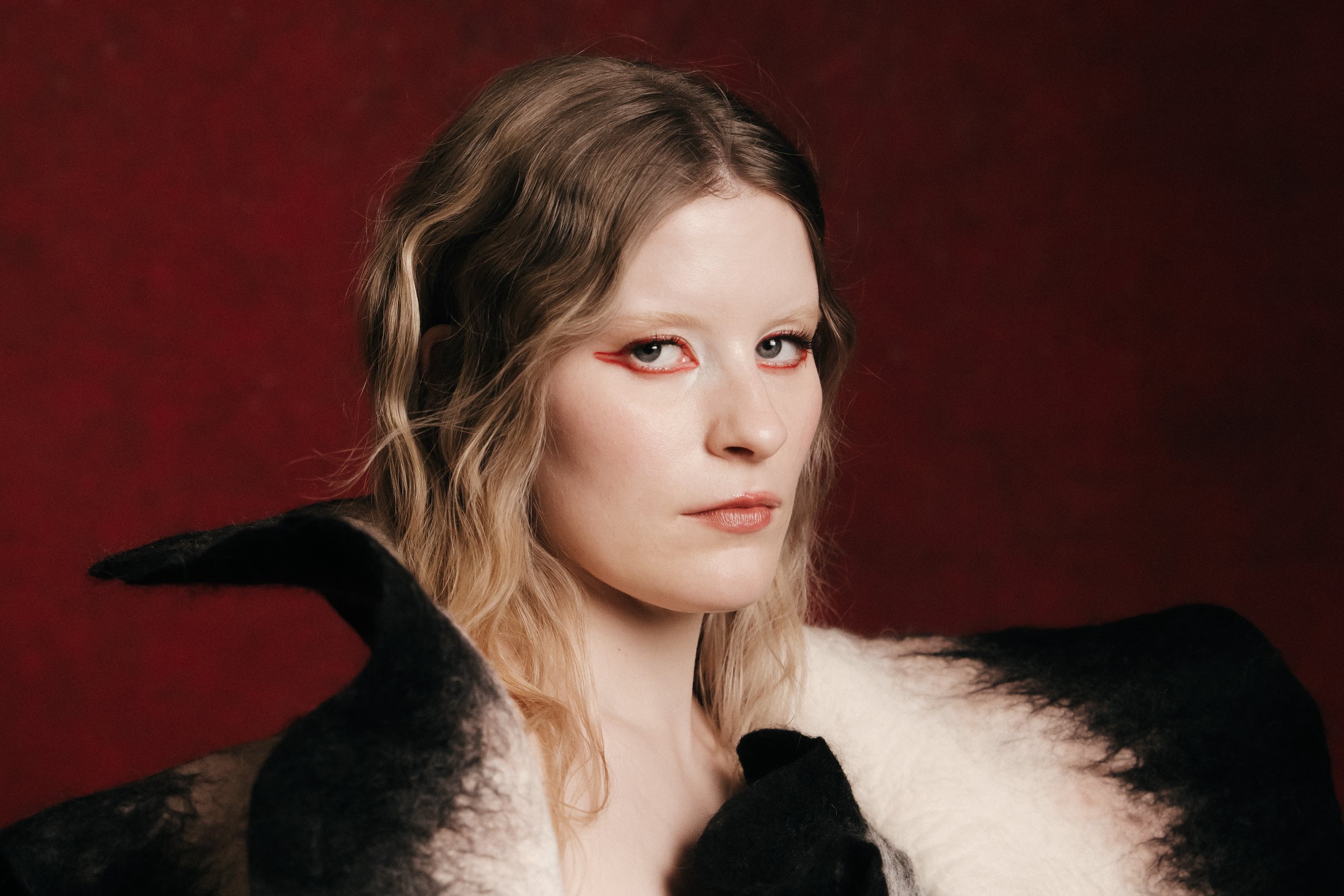
Photo Credit: Phoebe Fox
