
Q&A: ROREY Battles Between Fantasy And Reality In “Temporary Tragedy”
INTERVIEW
INTERVIEW
☆ BY SULLIVAN JORDAN ☆
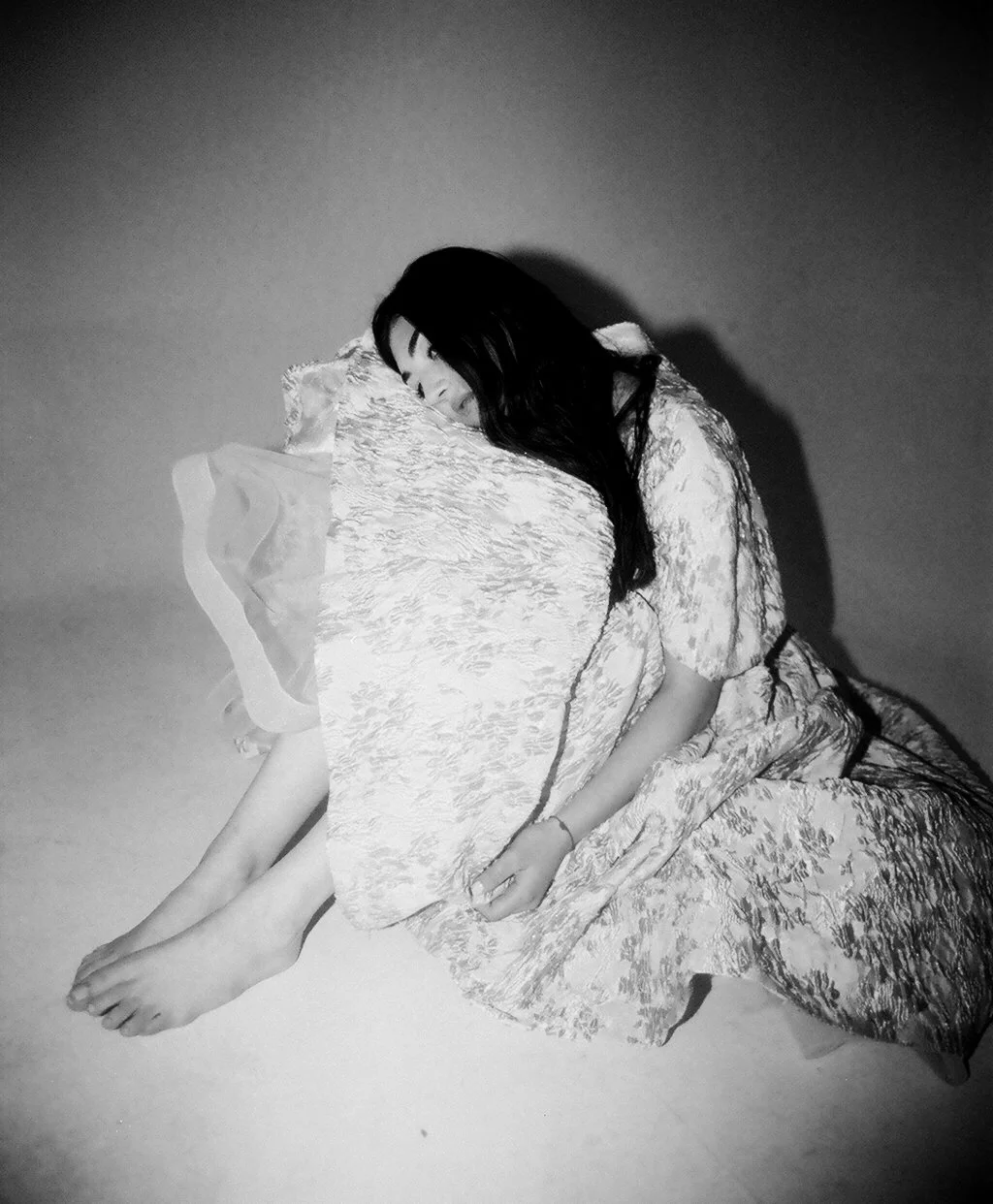
Photo by Emme Andre
ROREY IS AT HER MOST VULNERABLE WITH HER MOST INTIMATE AND BRUTAL TRACK YET—While a deeply personal track, it resonates with anyone who has ever questioned the power of love between two people. No matter how hard they try to make a relationship work, they cannot outrun their natural capacities for connection. ROREY balances feelings of frustration, anxiety, heartbreak, and eventually acceptance in a racing and cinematic amalgamation of raw and rustic acoustic guitar and a wistful crescendo of violin swells.
In the accompanying music video, ROREY basks in a dark, fuzzy, angelic glow. She frantically tries to connect the dots between pieces of her relationship to discover what went wrong. Despite her searching, she eventually takes the resulting detective-like board off the wall, realizing that there were no missteps. There is no villain. Shadows and warm halos of light dance throughout the music video, creating a visual representation of a fantasy that becomes diluted with reality.
“Temporary Tragedy” is fueled by a powerful double-meaning that finds ROREY questioning if there is any hope; any light at the end of what appears to be a never-ending tunnel. The emotion built through heartbreaking lyrics and intimate vocals, all against a backdrop of vivid instrumentals, makes listeners wonder if “temporary” might also refer to the versions of ourselves that can only exist in specific moments in time. “Temporary Tragedy” finds us chasing these versions of what we want, ultimately revealing that change, despite how painful and scary it can be, is what we need.
Luna had the pleasure of chatting with ROREY about the emotional process of piecing the song together, the autobiographical nature of the music video, and how the track represents much-needed closure.
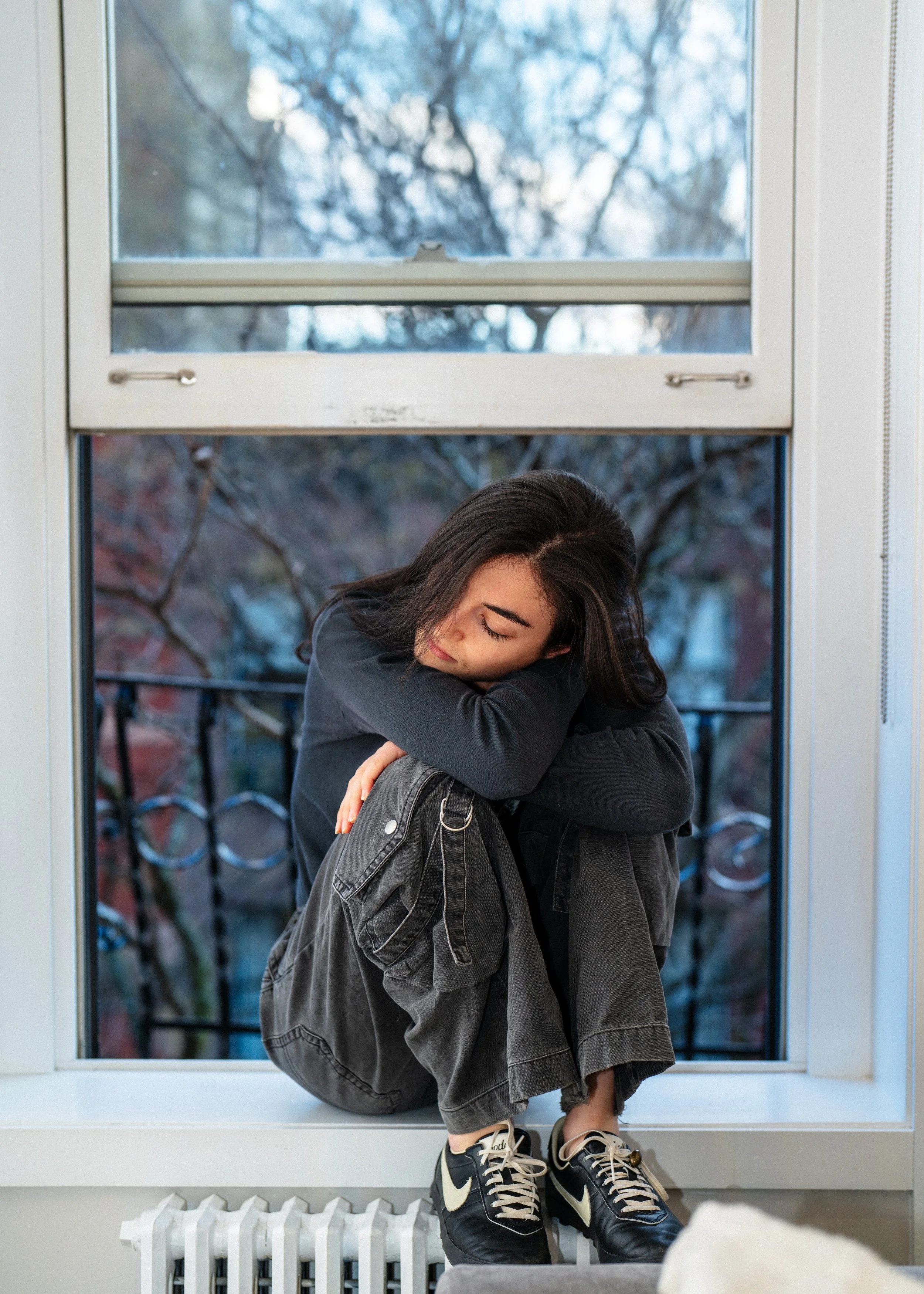
Photo by Julia Griswold
LUNA: Can you tell me about the process of writing “Temporary Tragedy” and the emotional and artistic journey of piecing the song together?
ROREY: I'd written this song blurb at my apartment, like I'll do sometimes, and I recorded it on my phone. I really loved it, so I brought it into my session with Richard Orofino, who produced and co-wrote the song with me. I think we wrote it in like 50 minutes, honestly, which was crazy. The melody, the words, and everything.
When we wrote the chorus, I still had hope at the time. So the lyric became, “Are we a temporary tragedy?” instead of “We’re just a temporary tragedy.” I wanted to stay with that question. I wanted it to be hopeful. I wasn’t ready to let go. I wasn’t ready to claim the answer. I already knew that it was over. And I think that's really cool, because that phrase is inconclusive; there can be different interpretations.
When we produced the song, I told Richard I wanted it to feel really wistful and cinematic. It was originally an acoustic demo, so he ended up buying this broken children’s violin from Goodwill and did this beautiful symphony for the song, and I was just like, “Whoa! How the fuck did you do that?” He’s just freakishly talented.
LUNA: Do you typically write music in the moment, like how you did with this song, or are there instances where you want to approach it from a distance where you've given your feelings some time?
ROREY: It really just depends. A lot of this project did come from little blurbs, which was really cool, because I ended up grabbing lyrics from every era of that relationship, and some were from like early 2024. I'm happy I got to use them. I think it's also really fun to walk into a session and just write what comes up.
LUNA: As a writer myself, I feel like you sometimes just have the inspiration and sometimes you don't, and so it just comes to you naturally. But then there's also those times where you’re thinking of an idea over and over again, and then eventually the right time comes to execute it. As you move forward with songwriting and your creative process, how do you think this song specifically, and the experience of writing it will impact your music and approach to making music moving forward?
ROREY: Narrative-wise, I really tried to hold space for both people's experiences. I really want people to understand that there doesn’t always have to be a villain. Writing this song taught me more about myself as an artist and was a starting point for this album, but it was not necessarily a defining moment that will impact my creative future. I will definitely be using strings again though.
LUNA: That comes across so beautifully and you can feel that in “Temporary Tragedy” with the lyrics and instrumentals and how both of those elements come together. I love what you said about holding space for both points of view because when you're writing something so vulnerable, and you're in a more narrow headspace, it's very easy to look at it from one side. As far as storytelling goes I think it creates a more nuanced picture when you can at least try and understand both sides from your perspective, because at the end of the day you’re never going to know both sides fully. I'm wondering what other influences or feelings inspire your music?
ROREY: I think so much of my songwriting comes from discomfort. It's a form of journaling. I would say for me, I'll just sit with my guitar or start typing lyrics, and I'll retype them over and over again until I'm like, “Oh, that's how I feel.” I don’t really have musical influences, but every month I’ll discover five random songs and just binge them over and over again. They somehow seep into my creative choices in sessions, I’m sure.
LUNA: When you put yourself in these places of discomfort, do you ever find it scary to be vulnerable and put your feelings out there or be in that headspace?
ROREY: There's something about having a veil come down…when my feelings get translated into art, that makes it less scary for me. I think people experience music as an extension of themselves, not as an extension of the artist. I am, however, really terrified for my video, because it’s semi-autobiographical, and deeply, deeply personal. I'm the most scared I've ever been about releasing something creative. But with my music, no. I think the more raw and vulnerable I am, the better it is and the more it resonates with my listeners.
LUNA: That’s a great perspective because with music we don't necessarily have this visual component, so you can kind of let music become a soundtrack to whatever your experience is. Jumping into the music video, I was wondering if you could discuss some of your influences and how the concept came to life?
ROREY: I'm such a spiraller. The board in the video is my brain. I wanted to have a visual representation of the spiral and also how I was trying to figure out where everything went wrong. I think we have all sat there at one point, trying to figure out where something went wrong, and our minds are making connections that aren't necessarily related. Even while making it, I realized there was no moment where it “went” wrong. The board is literally real. I traced the entire timeline of our relationship, from the coffee sleeve from the cafe that we met at to a screen shot of our last text convo. Taking the board down at the end of the video was me basically kind of saying, “I'm done here. There's nothing left to analyze. There is nothing left to fix.”
LUNA: I think that level of honesty and vulnerability is what makes the best art. It's obviously scary, but I think your honesty is what people will resonate with. I was wondering, I am a big reader, so can you talk a little bit about the choice to use “In the Dream House” by Carmen Maria Machado in the video?
ROREY: Yeah, it’s one of my…not ex-ex’s favorite books. She was playfully shading the books on my shelf, so we went and bought it together. That’s why I used it, but it’s also this beautiful memoir about a toxic lesbian relationship. The narrator, Carmen, literally contorts herself to make her ex happy, to the point of self-erasure, until she ultimately realizes that she has to choose herself. It’s devastating and beautifully written. I, in no sense, was in a toxic relationship like that, but I did find myself bargaining with reality and shrinking myself, hoping it would change the outcome. Have you read it?
LUNA: I have. It's a beautifully written story and I think it just goes to show that inspiration can come from anywhere. Even visually, the music video has this kind of hazy quality to it like you’re looking at a fantasy instead of reality. Did you have any visual references for the music video when you started making it?
ROREY: No, I actually didn't give Jimmy Gianopulos, the videographer and director, any references. He got these new lights that he wanted to try, so we were experimenting with different tones based on what I wanted the specific scenes to feel like emotionally. The lighting that he chose when we're both laying on the floor with the book makes us look like we're glowing, and it's so beautiful.
LUNA: Something I took away from the song is that it is important in a relationship to know when to choose yourself, even when you hold a lot of love for the other person. What is something you do in your everyday life to continue choosing yourself and to continue that sentiment?
ROREY: I don’t want to continue abandoning myself to keep connections alive. I think I've learned that it's okay to step back. It doesn’t have to be this whole essay. I really try not to bridge gaps in relationships that I don’t create, because I will lose myself trying.
LUNA: Would you say the process of making this song was also kind of a release for you emotionally?
ROREY: Yes. The day I wrote it, I was still metabolizing reality. With the lyrics, “I'm losing sleep and I can't breathe and I can't eat,” it’s almost like…you know when you're just in a cycle with someone that's destroying you, but you won’t accept it? I was lying to myself so much. I think that day was the first moment where something in me clicked…like, “This is genuinely destructive, and I am genuinely disappearing as a person.” I had written up this psychotic Google Doc, outlining where our relationship went wrong a month earlier (don't even ask), and one of the lines was “chronic clash of empathy.” That inspired the second verse––we were just two people hurting in opposite directions.
LUNA: The video creates a natural chapter that you can close.
ROREY: In the last conversation we had, I actually sent her the song––that was my closure.
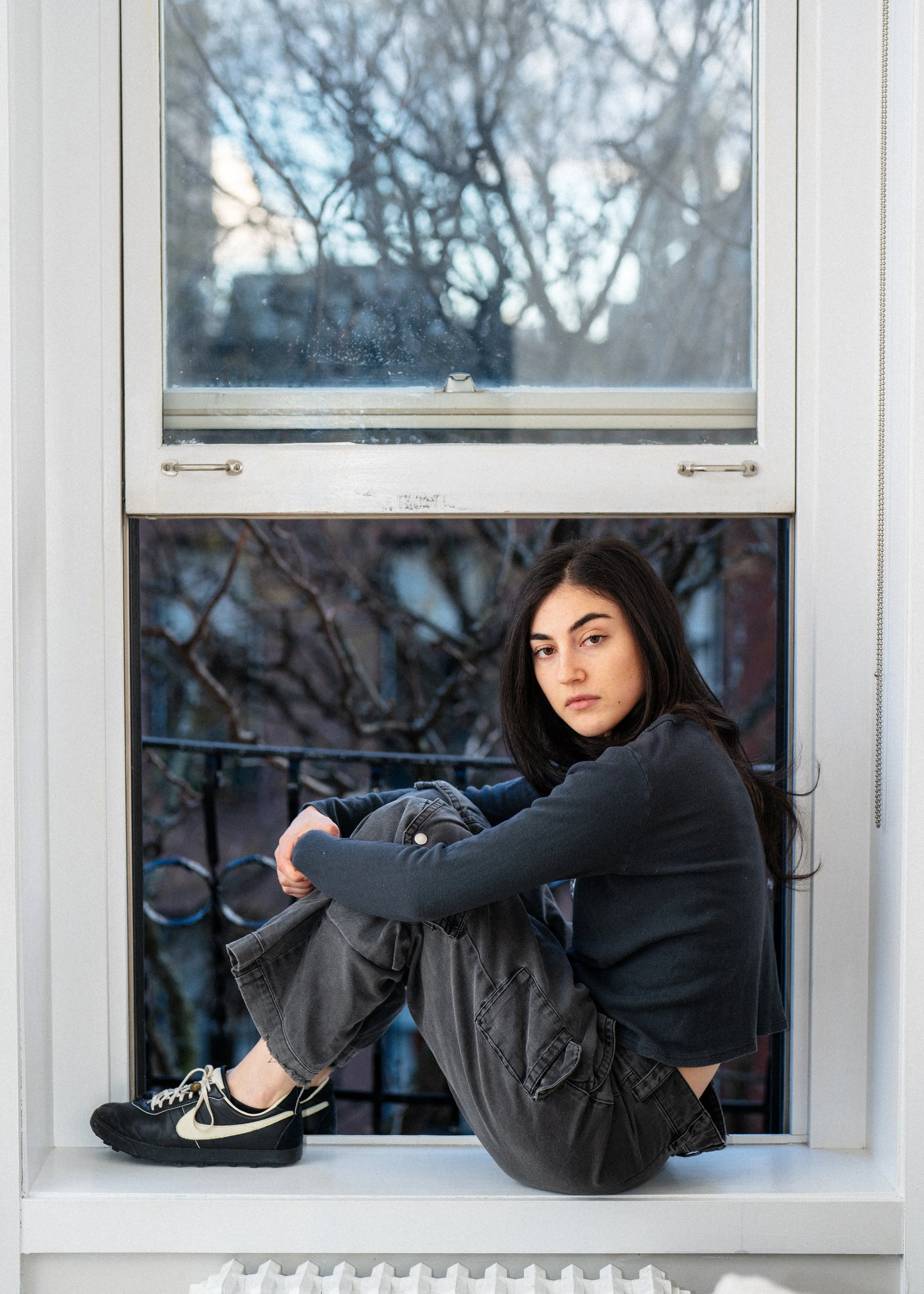
Photo by Julia Griswold
