
Q&A: Seafret Shows A Different Facet on ‘Fear of Emotion’
INTERVIEW
INTERVIEW
☆ BY IVONA HOMICIANU ☆
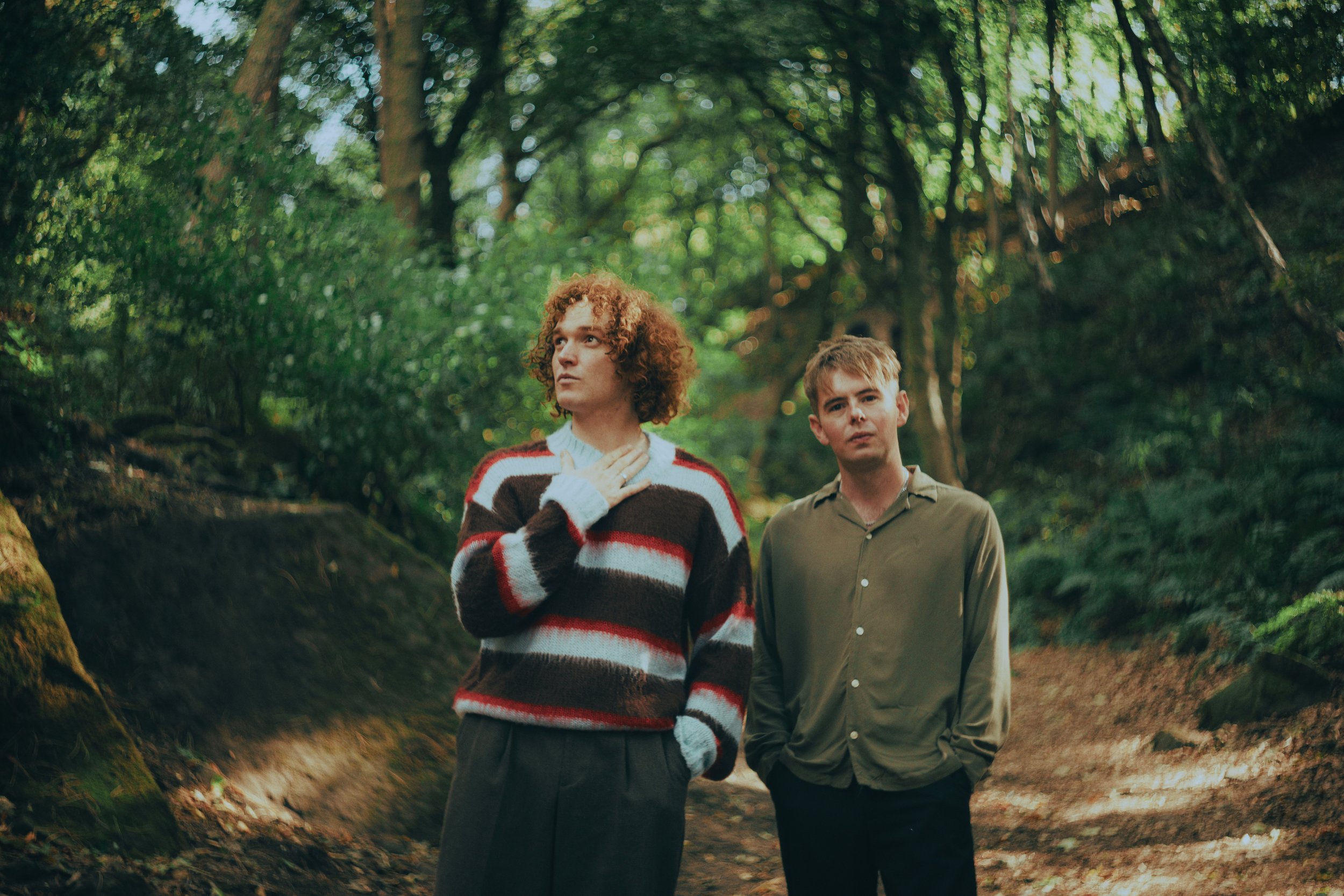
Photo by Nat Michele
SEAFRET SHOWS A NEW SIDE OF THEMSELVES WHILE KEEPING THE VULNERABLE TONE OF THEIR DISCOGRAPHY—With their new record Fear of Emotion, the duo takes an upbeat approach to the instrumentals. However, there’s a duality within the lyrics. They show vulnerability in a confessional manner that surrounds a rough patch of a relationship. That is what makes the record intriguing.
Seafret is a band composed of vocalist Jack Sedman and guitarist Harry Draper. The duo was formed a decade ago in Yorkshire where they both grew up. Their debut album Tell Me It’s Real (2016) contains their billion-streamed track “Atlantis.” The two have come a long way from their beginnings in their English town, with Fear of Emotion being the epitome of their creative evolution and freedom.
From the first note, Fear of Emotion brings out the adrenaline that courses through the record. The opening track “River of Tears,” with lyrics that give the title to the album, feels representative of the energy they’re trying to summon. With a fast-paced production and Sedman’s passionate interpretation, they set off this record unlike their previous ones.
The sound they curated throughout the years is still there; it is only refined to fit the period of life they’re in. It is apparent with “Signal Fire” which is a folk-leaning track that makes you want to move your feet. On the same wavelength, there’s “Standing By You” that invites the listener to sing and dance along, as well as “Wait” that will remain stuck in your head from the first listen.
Seafret’s discography is filled with references and metaphors to nature, given their upbringing in a beach town in England. This continues on this record with “Cloud,” as they associate a person with the motions of a cloud; “Desert Heart” reveals a vulnerable side of them; and “Driftwood” is a metaphorical take on being supported by someone.
Despite it all, there’s still the love and heartache that Seafret has shown throughout their previous releases. “Love Me In Reverse” is a soft address to someone in the hope of a new beginning. The closing track of Fear of Emotion is “Nobody Sees Us” which features Katie Gregson-Macleod and gives a calmer end to the tumultuous journey of the album.
Read the interview below for more details on Seafret’s brand new record Fear of Emotion.
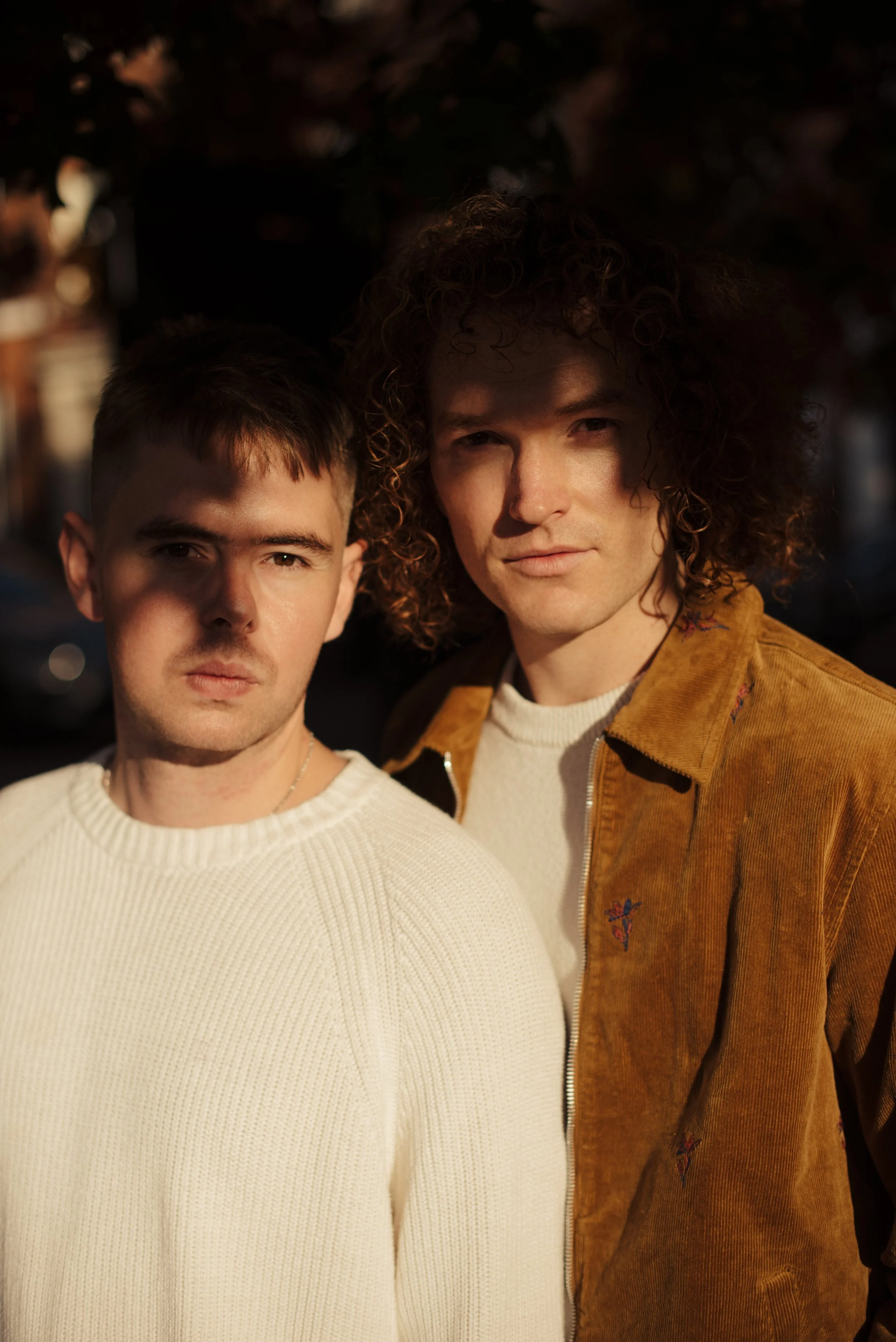
Photo by Jennifer McCord
LUNA: “River of Tears” opens the album with such an adrenaline of heartbreak. How did you decide that this was the track to introduce the project?
JACK SEDMAN: The production of the song. It was the first one that we wrote that gives the direction for the rest of the album. I remember trying to find how… Harry had this really nice thing on piano, and then it turned into quite a dark production. That's not some space that we've ever explored before. We wanted to just see what we could get out of that.
HARRY DRAPER: I feel like, with the other records as well, we tried to start the record with something that's a bit like, “Oh, really?” Something that’s slightly different. It felt like a no-brainer to us.
LUNA: Could you talk about what inspired the title of the project, Fear of Emotion?
SEDMAN: It's a lyric taken from “River of Tears.” It summed up the record for us. At the end of everything, whether it's a relationship or a period of your life, it leaves you scared to go back and try it again. There's a lot of light in the album, and then a lot of “Don't give up” messaging, which is nice. It felt like the right thing for it, with some of the darker songs, some of the production. We knew the artwork we wanted, so it all fit quite nicely.
LUNA: What is the emotion that inspires you the most to write?
SEDMAN: A lot of heartache. There's been a lot of love songs on there. Not all me, I will add. I take inspiration from everything that's going on around me, but love and loss is a predominant force in our songs… And it's not always easy to open up and be honest in a song like that. Obviously, you're putting yourself out there when you're doing it and you're being vulnerable, but I think people love it for that. There's a lot of music that plays in the background, and there's no hit to your heart.
LUNA: You released your debut album Tell Me It's Real in 2016. That's a full decade—how do you feel you've grown since that first album?
DRAPER: So much. We were so young when we did that. We were so naive, and we hadn't been writing songs for very long, and we hadn't traveled anywhere. That record took us around the world, we've grown so much as people, not just as writers. We grew up making that record so it's a very special one for us.
LUNA: Is there a specific image that comes to your mind when you think of Fear of Emotion as a whole? I feel like there's a lot of nature imagery, a lot of storms and rain.
SEDMAN: There's always that nature and things like that. From growing up by the sea and being surrounded by nature and being outside in the wild. wWere we're from, there's not a great deal around the town. We don't actually live there now, but there weren't a lot of opportunities where we grew up. There wasn't a lot, but there was a beach and woods. All those things make their way into the songs without me forcing them. It's really easy to connect to nature in a song, to have things that surround you all the time that sometimes you don't pay attention to. A lot of metaphors can be made with things moving—all the tides pulling, winds blowing—there's a lot to dig into from there.
LUNA: Is it part of your creative process in a sense? Do you find it easier to write when you're outside?
SEDMAN: I don't think we like physically writing outside. I mean, we have written outside. We used to write in Harry’s back garden, but being somewhere that feels closed off and away from everyone is where we're most comfortable because we’ve got a space that's ours. No one can hear our mistakes.
LUNA: I feel like there's a lot of insecurity transmitted through the record, being unsure of one thing or another. Does writing help you put things into perspective? Or is it something that comes after figuring it out?
SEDMAN: [The songs] don’t happen not in the moment. Some songs did on this album. I was channeling what was going on in my life but a lot of the time it happens a lot later. Something will happen in your life and it'll be challenging, then things will get better. Only when it's better and everything's back into place, the songs start to come. Then you're really happy, but you're writing these sad songs, “What's going on?” (laughs).
DRAPER: (Laughs) It's a weird atmosphere in the studio.
SEDMAN: Everyone's laughing and trying to have a fun time in the studio, then the songs are really sad. As long as it feels like it's coming from a real, genuine place, everyone can understand it. Certain things, if you sit down and play the piano or play the guitar, a certain melody or lyric idea will just come out. I don't really know what it means at first, and then I sometimes catch myself going, “Oh, I know exactly what that was now.” We don't start a song thinking it’s going to be about heartbreak, jealousy or doubt. It always takes its shape itself as the song progresses, which is a really nice way of writing.
LUNA: Sonically, it's a very upbeat album, which is very opposite to the lyrics. Is there a reason why you focused on a more fast tempo production instead of a slower, stripped back one?
DRAPER: It's how it naturally came about. We were writing the songs and producing them as we were going. We were at an amazing studio in London with everything to hand so it all happened pretty quickly. Even on some of the fast ones, there are dark elements as well, with dark synths and big boomy drums. We've been touring for a long time as well, which helped us think we could do with some faster ones potentially. That comes into it a little bit but it was a song by song basis, and what fitted the song is what’s on the record.
LUNA: Contrary to the rest of the album, the closing track “Nobody Sees Us” is very acoustic and folk leaning. How did this collaboration with Katie Gregson-Macleod come to be?
SEDMAN: I first saw Katie on Tiktok, where she had a moment. She was turning up on my phone all the time and I loved her tone of voice. We dropped her a message and said, “We're making a record. Would you like to be on it?” Wasn't sure what she’d be on at the time. We wrote the song and invited her down, then asked her to write the second verse, which she worked on with us. It adds a different flavor to the record.
DRAPER: I love that song. We did a listening party the day before the album came out and when that one came on, there were lots of comments saying, “It’s like 2016 Seafret, it’s nostalgia.” And it kind of is. I think it ends the album really nicely.
SEDMAN: We always heard that song being last because we knew that we'd gone bigger than we have before on production, but the production is us experimenting with what we can do with a voice and a guitar. How we would produce a song and where it can take us, rather than everything just being acoustic and stripped back, which we know we can do, We could do that all day long. The next album might be stripped back, and we might go back to the beginning and start again. So we don't feel like we're doing the same thing over and over again.
LUNA: You've done a lot of things throughout your career. Is there anything that you haven't achieved yet that you would like to?
SEDMAN: I'd love to play in Japan. And then… Where else would I like to play? It's mainly areas that I would like to play. Go on holiday and visit places. If we can carry on doing it and showing up for the shows, then I'm happy. We've done way more than I thought we would anyway.
DRAPER: We do love traveling. We've been so lucky to travel, we've been around the world. There's a few places we haven't been, Australia, Japan, they're the next goal. We're happy with what we've achieved and what we've done.
LUNA: Is there anything we haven't covered that you'd like to express about the album?
SEDMAN: We're so proud of what we've made, and we hope people go and enjoy it. If they can put some time aside to listen to it in full, that would be great. If they want to just dip in and out, that'd be awesome.
