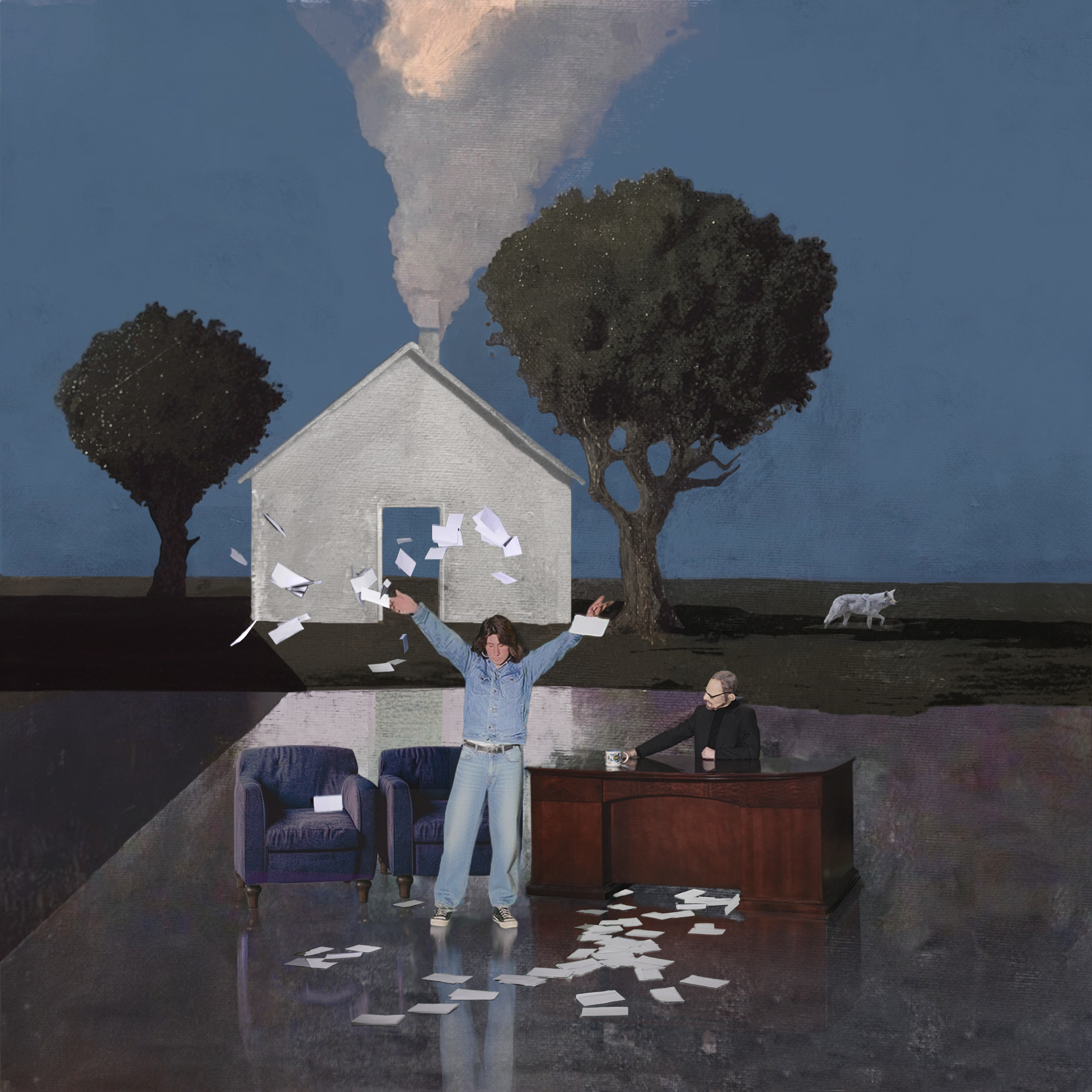
Q&A: Foxtide on Patience, Vulnerability and ‘Entropy’
INTERVIEW
INTERVIEW
☆ BY SHEVON GREENE ☆
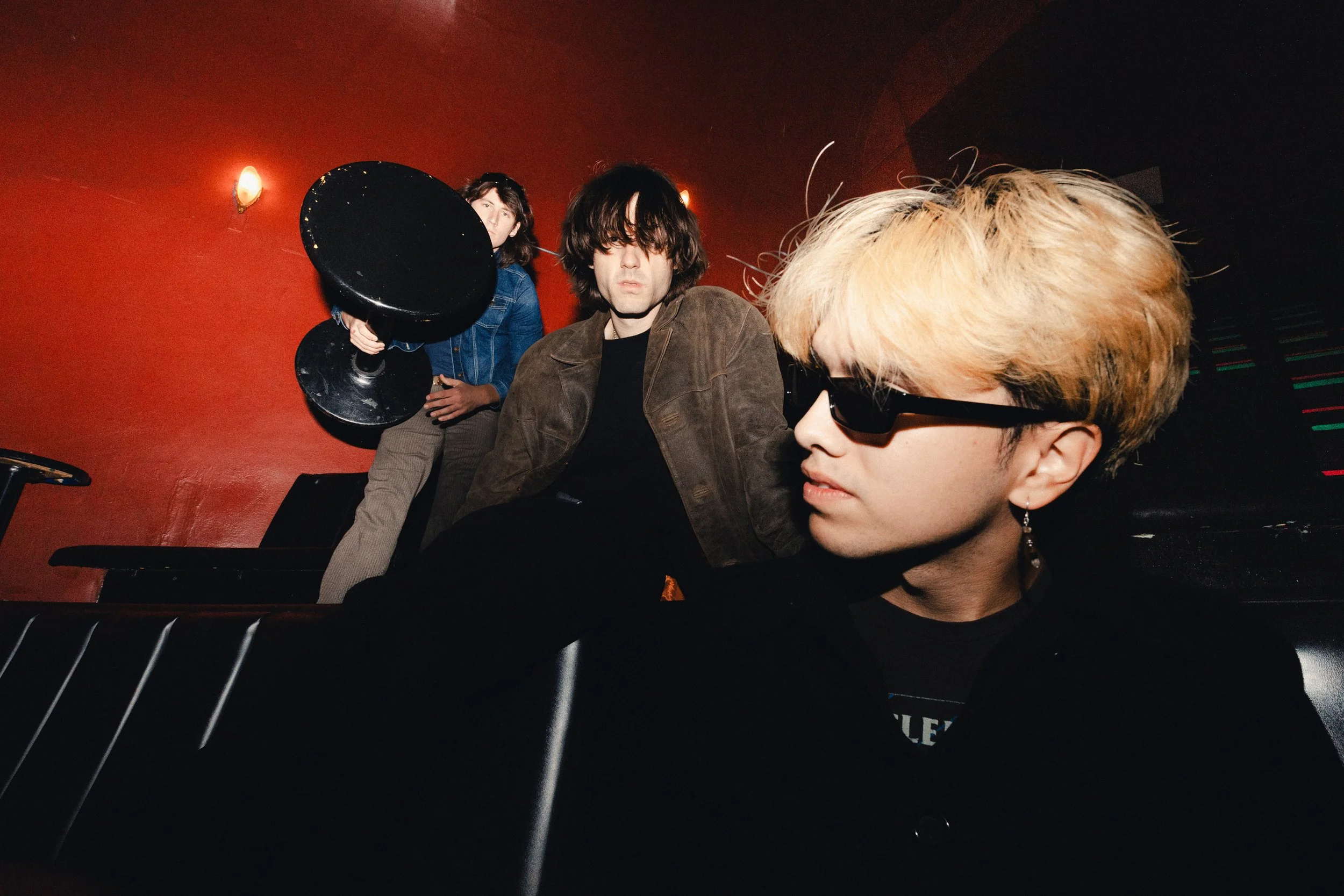
Photo by Kylen Lunn
FOXTIDE’S ENTROPY IS A WORLD YOU FALL INTO—one where uncertainty is the only certainty. Made up of Elijah Gibbins-Croft, Oey James and Ian Robles, the SoCal three-piece built their following from the ground up through garage jam sessions, DIY house shows and chaotic and unhinged live performances.
On Entropy (out today via Position Music), Foxtide steps away from the surf-rock foundations they originally introduced themselves with, prioritizing instinct over perfection. Celestial synths, hypnotic transitions and guitar-driven arrangements give the album a hazy, early-2000s indie feel. The record so uniquely encapsulates waiting, growing and learning how to sit with disorder instead of resisting it; all while leaving room for humor, like the band’s chaotic “Make Him Run” campaign (which they successfully accomplished).
We sat down with Gibbins-Croft and James to chat about sequencing Entropy like a film, writing with more honesty and why “Wait it Out” felt like the right emotional landing place. Keep reading on for more on the patience, experimentation and DIY spirit behind Foxtide’s latest chapter.
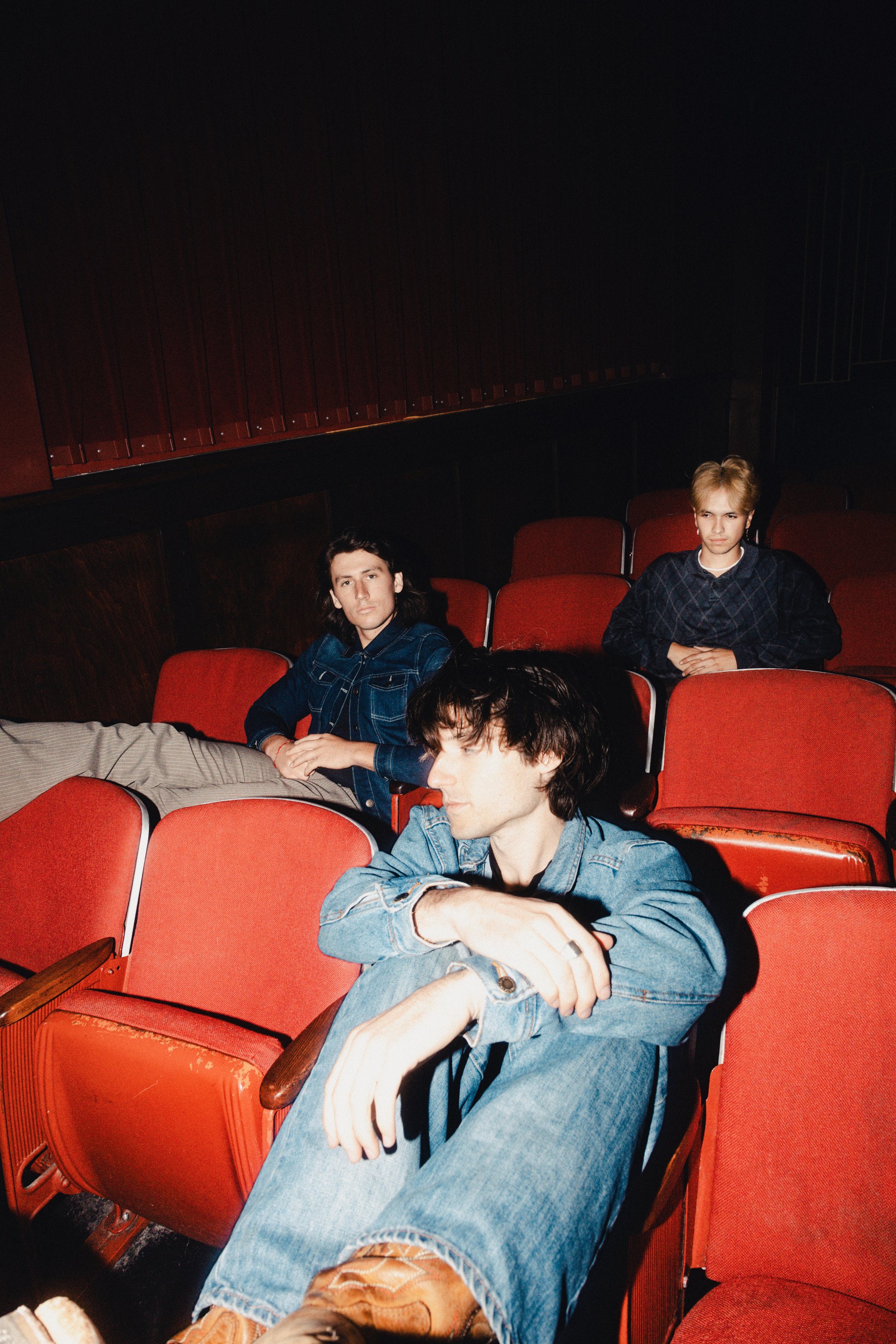
Photo by Kylen Lunn
LUNA: Nice to meet you, Elijah and Oey, and thank you again for sitting down and chatting with me about your new album. Entropy opens with that title track, which is shorter, but it really establishes the atmosphere and pulls you right into the album. What made you want to start the album that way instead of jumping straight into a full-length track?
GIBBINS-CROFT: I actually added that last. I was listening through the songs and wanted a better intro. I wanted it to feel like the beginning of a movie, something that keeps you sitting there. It’s the reason you tuned in in the first place.
LUNA: Yeah, it definitely pulled me in right away. I was like, “Okay, I’m locked in now.” I also loved the seamless transition into the second track, “Days Move Slow.” It felt very intentional and cinematic, like you were saying. Even though you made the intro last, when sequencing the album were you thinking about how listeners would experience it in order, or did that come together naturally?
GIBBINS-CROFT: A mix of both. We really loved the process of making an album and wanted it to be listened to as one piece. Whether it’s songs flowing into each other or having transitions, we tried to find a balance to make that listening experience as strong as possible.
JAMES: Yeah, there was definitely intention with having “Days Move Slow” there. That song was originally first, and we thought maybe something could come before it. Elijah was able to dive in and make something that transitions right into the start of that song.
LUNA: It all feels very intentional. I’m glad I listened to it in order because that transition really reels you in. I also love the title of the album. What does the concept of entropy mean to you in the context of the record, and what made you decide on that title?
GIBBINS-CROFT: Honestly, a lot of the songs I was writing for the record were for my girlfriend, and she really loves the concept and the word entropy. It’s become synonymous with her in my head. So giving the album that title felt right.
LUNA: Did you bring that idea to the group and present it?
GIBBINS-CROFT: Yeah, I presented it, and then we started making sense of it as the record came together. It also fit well as a follow-up to our last album, Chaos. Entropy is the measure of disorder in a system, and I liked that because we write very different types of songs. Putting them together can feel chaotic, but somehow it works.
LUNA: That’s awesome. I’m sure your girlfriend was happy about the shoutout.
GIBBINS-CROFT: Yeah, definitely.
LUNA: Going back to “Days Move Slow,” the song has this dreamy, hypnotic feeling, but the pacing shifts toward the end. I noticed across the album that you experiment with dynamics: slowing rhythms down, changing volume, opening things up. How do you think about dynamics when building songs like that? Do you plan that out or does it come together naturally?
JAMES: In that case we were trying to be a bit prosaic. The song is about things moving slowly, so we slowed things down and really drove that idea home. There were earlier recordings where the outro had space to experiment, and by the time we recorded it again it felt intuitive to expand that section. It was fun adding all the parts; the xylophone and all the little lines.
GIBBINS-CROFT: Experimenting was definitely the name of the game on that one.
LUNA: It comes through clearly as you listen through the album. You start to notice that theme after the first few songs.
GIBBINS-CROFT: I’m glad that came through. That means a lot.
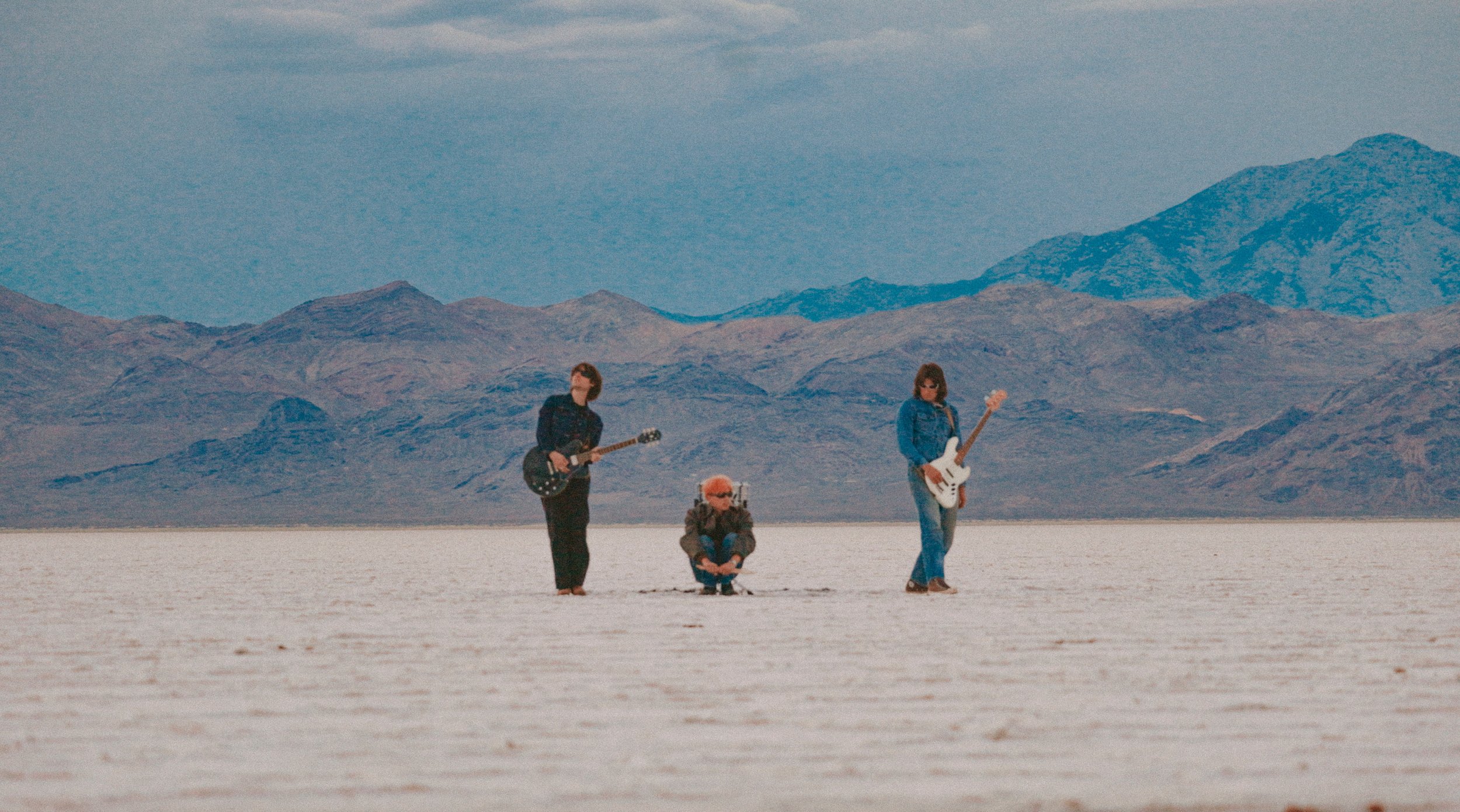
Photo by Kylen Lunn
LUNA: Another theme I noticed was time; days repeating, waiting for things to happen, moments slipping away. Was that intentional or did it emerge naturally?
JAMES: I think it reflected where we’ve all been over the past couple years. A lot of life has felt like waiting for something to happen, and that naturally came through in the songs. At the end we realized we had a lot of songs about waiting and spaced them out.
GIBBINS-CROFT: Yeah, we’re all in our early twenties, which is a time of uncertainty. You’re figuring out what you might be doing for the rest of your life, and that comes with confronting time and learning patience. Especially in music, where the path isn’t always clear.
LUNA: That’s something everyone can relate to. I wanted to ask about “Cut and Dry.” It feels emotionally direct, especially lines like “Set me down easily / I break easily.” Was there anything that inspired that song? And is vulnerability something that’s hard to explore in writing?
GIBBINS-CROFT: I think vulnerability gets easier the more you write. You start expressing things more fully as you mature as a writer. Not that we’re totally mature as writers yet, but we’re diving into that more. It doesn’t come easy for anyone, especially when you know people everywhere can access what you put out.
JAMES: It’s a good sign if you finish a song and feel a little uncomfortable. Like, “Wow, that’s really part of me.” It’s scary, but you learn that it’s a good thing.
LUNA: And putting it out into the world must feel therapeutic in a way.
JAMES: Yeah, it’s catharsis. If someone else understands where you’re coming from, that’s all you could ask for.
LUNA: I also loved “Heart in the Ground.” It has this dreamy, reflective feeling, almost like replaying memories. How did that song come about?
JAMES: About three years ago Elijah and I were at a kava bar and went out to the parking lot with a guitar. The first ideas for that song started there. We had it for a while, but it wasn’t quite there yet. Elijah kept experimenting—slowing it down, adding parts—and it went through four or five versions before we added that second verse section and the Beatle-esque harmonies. That’s when it finally came together.
LUNA: That must feel rewarding, finally putting it out after all that time.
GIBBINS-CROFT: Yeah, that one was the big chunk of marble we were chipping away at.
LUNA: Another thing I noticed: in “Start of Nothing” and “Wait Until It Happens,” there are these parallel lines about things being in front of you or only realizing them once they’re behind you. Was that intentional?
GIBBINS-CROFT: You know what? Now that you mention it, it was intentional (laughs).
JAMES: Yeah, I guess that puts us right in the middle (laughs).
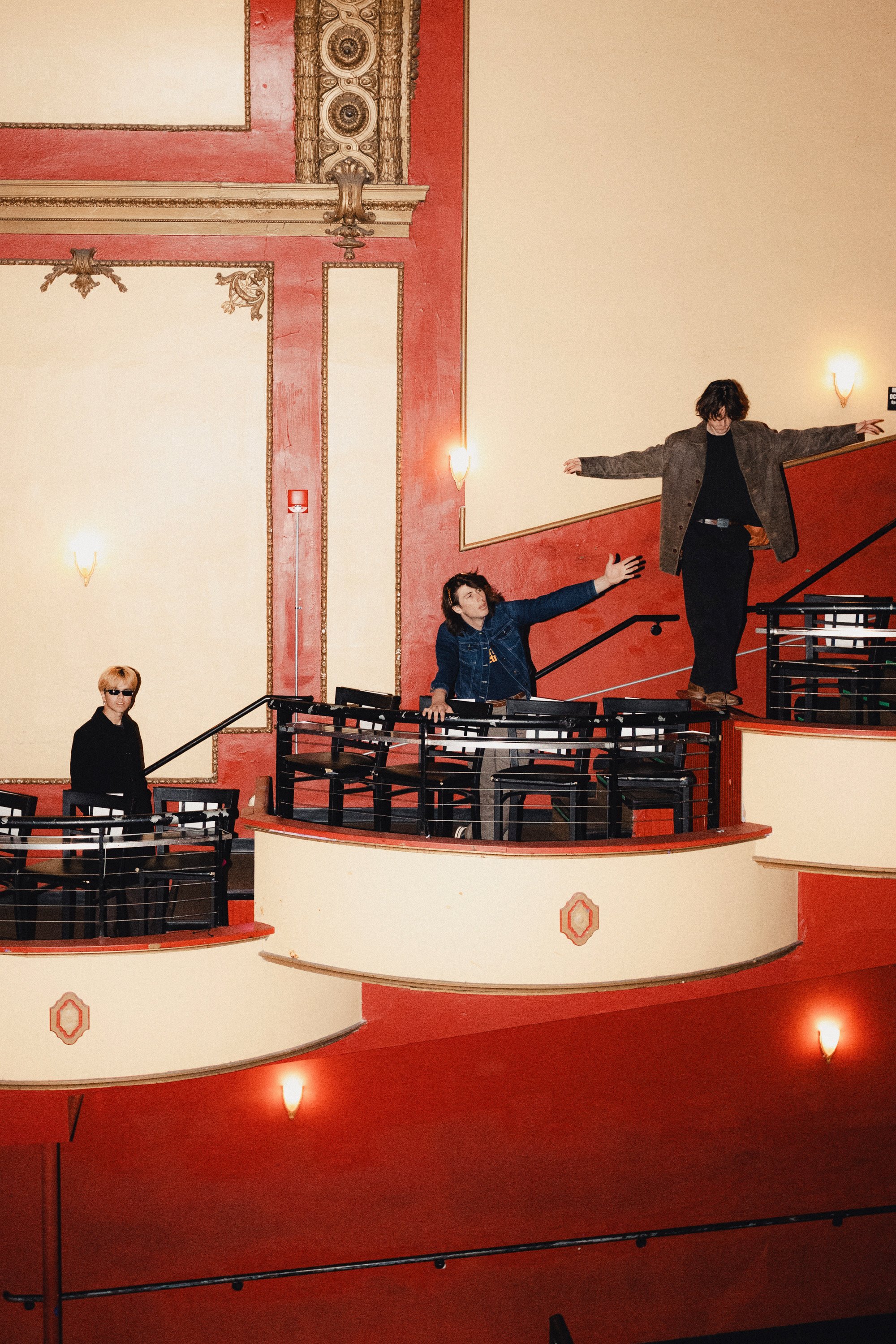
Photo by Kylen Lunn
LUNA: I love when things like that happen. I also wanted to ask about “Hand to Hand.” It’s more stripped back and acoustic. Why did you take that direction with that song?
GIBBINS-CROFT: That song started as something I recorded in my room and wasn’t planning to share. I sent it to the group and they told me to put that version out without touching it. We’d never done that before, just recording something and releasing it as is.
LUNA: That must feel both relieving and a little nerve-wracking.
GIBBINS-CROFT: Yeah, it was different, but I’m glad it came out the way it did.
LUNA: I also wanted to ask about the closing track, “Wait it Out.” It felt like a moment of acceptance, giving yourself permission to be patient. Why did that feel like the right way to end the album?
JAMES: Partly because it ends on a positive note: acknowledging everything you’re feeling but deciding to wait it out. It also hints at where some of our next songs might go sonically. It’s a little bit of foreshadowing.
GIBBINS-CROFT: It’s about patience and being there for yourself and others. With all the themes around time and anxiety in the record, that song feels like the landing.
LUNA: It’s a great reminder to end on. Foxtide started in garage jam sessions and house shows, and you’ve built a reputation for intense live performances. Did that DIY live energy influence how you approached the album?
GIBBINS-CROFT: With this record we leaned more toward writing for writing’s sake rather than writing for a live setting. It’s a much more introspective album.
JAMES: Most of the songs were written on acoustic guitar first. Then we asked ourselves how to produce them and eventually how to play them live. In some ways we did things backwards, but it was a fun challenge.
LUNA: A new challenge can be exciting. My last question is about the “Make Him Run” campaign. Whose idea was that?
JAMES: That was 100 percent my idea. I need slightly insane challenges to motivate myself. I wanted something absurd that could help the band and make people laugh. If we hit the presave goal, I’ll run with my bass. I’ve been posting about it, making flyers and getting people involved. People are even coming out to run with me, which has been really fun.
LUNA: Are you practicing with the bass while running?
JAMES: I’m saving that for the day it happens. I’ll just have to endure it.
GIBBINS-CROFT: And deal with the chafing from the jacket (laughs).
JAMES: Exactly. It’ll be funny, and it’ll be a story. If people see the bass or outfit later on tour, they’ll know.
LUNA: I’ll add a presave so you’re one step closer.
JAMES: Each presave is fourteen feet I have to run.