
Q&A: Starling is Turning Pop Into Therapy and “Cupcake” is Her Sweetest Revolution Yet
INTERVIEW
INTERVIEW
☆ BY VICTORIA POLSELY☆
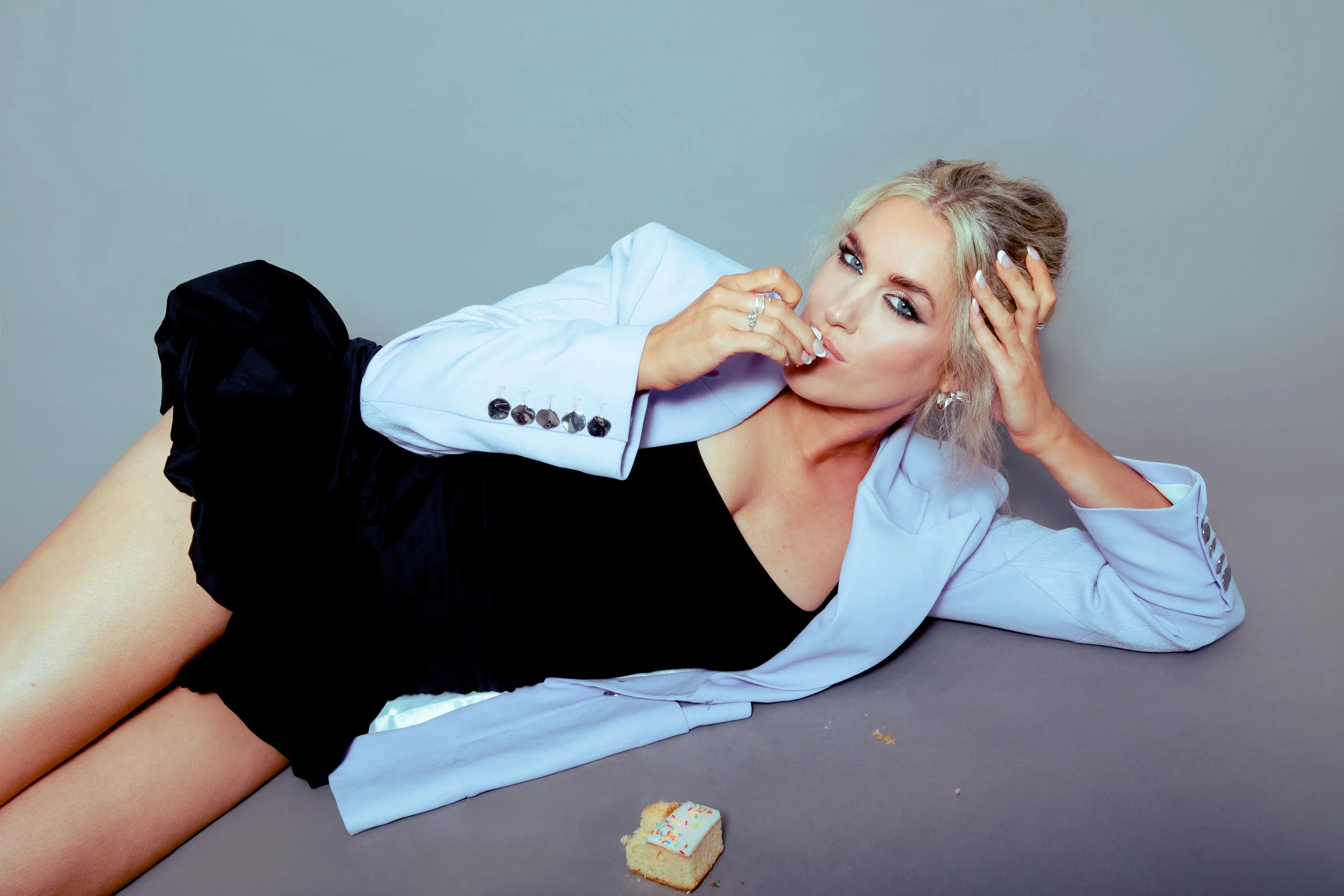
U.K. POP POWERHOUSE STARLING—has just unleashed her latest empowering bop “Cupcake.” The single follows a long musical journey for the singer-songwriter. Once told she couldn’t sing, her career has been defined not by industry or judgment, but by a refusal to accept limitations placed on her. From an impromptu a cappella performance in a SoHo basement bar to collaborating with world-class producers, her rise has unfolded as a story of transformation, one that now resonates deeply with a growing global audience.
Starling’s latest single, “Cupcake,” captures that ethos in its purest form. Written on her birthday, a day that once triggered spirals of self-criticism, the track marks a pivotal shift from shame to self-compassion. Blending fresh, contemporary pop production with deeply personal lyricism, “Cupcake” reflects Starling’s signature “pop therapy” approach: music designed not only to entertain, but to heal. It’s a bold, emotionally charged anthem that turns inner doubt into something softer, kinder and ultimately empowering.
In conversation with The Luna Collective, Starling opens up about unlearning limiting beliefs, rebuilding self-worth and why human connection feels more important than ever. With a debut album on the horizon and a rapidly expanding platform that extends beyond music, she’s proving that pop can be more than sound, it can be a catalyst for change.
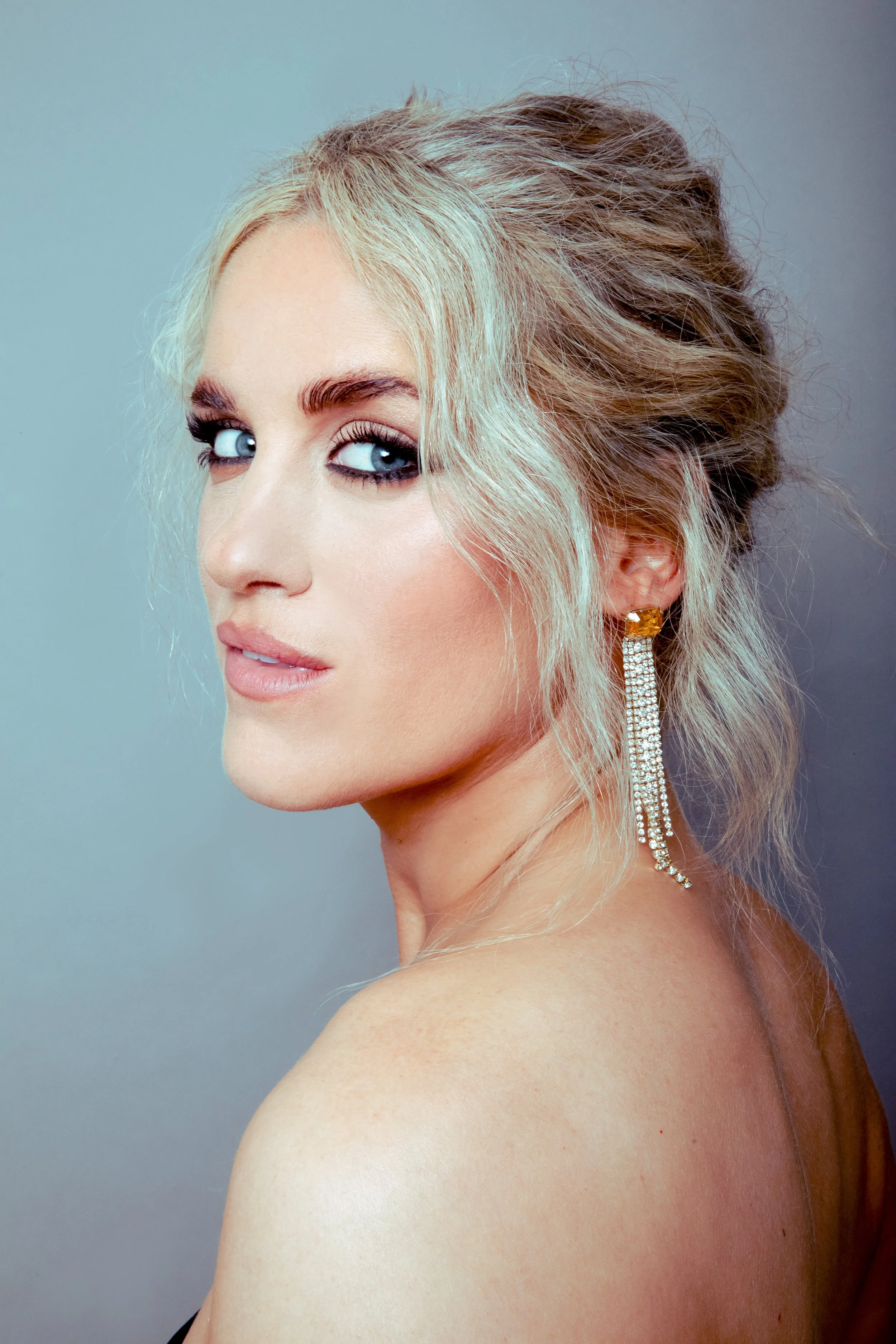
LUNA: You were once told you couldn’t sing. How did that belief shape the artist you eventually became?
STARLING: At first I just believed it. It's like when we are told we are bad at art as kids, we don't question it. The person I became, who defied the opinion, is unstoppable. I question every opinion now and vet whether I should buy it or not.
LUNA: “Cupcake” is about choosing kindness over criticism. Was there a specific moment where you realized you needed to rewrite the way you spoke to yourself?
STARLING: 100 percent, and mainly my relationship with my thoughts on my birthday. Instead of celebrating my aliveness, I would judge and analyse whether I was successful enough for my current age, so my birthday became a shame fest rather than a celebration.
LUNA: Your music has been described as “pop therapy.” Do you think music can genuinely heal people?
STARLING: I don't just think, I know. And without breaching confidentiality, I have women write to me weekly saying they have left their abusive partner, asked for a pay raise, or created new boundaries in various aspects of their life. I even had someone say they were suicidal but heard my song come on (Every Single Time) to realise their strength and turn back.
LUNA: You often say, “You are not what has happened to you. You are what you choose to become.” How has that philosophy changed your own life?
STARLING: Yes, it is a Carl Jung quote—such an incredible psychologist. It speaks to me because life often throws punches that too easily give us the opportunity to become victims. We draw a bad hand of cards or the short straw and collapse. This quote reminds me that we are not just our past or our challenges; we are our future... and the question is really what would you like to do with your open future?
LUNA: Your house concert tour was built around reconnecting people offline. Why do you think human connection feels so urgent right now?
STARLING: As a byproduct of both post-pandemic life and modern life, we are isolated, working online from home and lacking community. I was so tired of being online. I want to take this offline. I'll sing in your house, garden, kitchen, if you are a fan. Those were my words verbatim, and it went viral because it's deeply about humanity and intimacy. We need these things so badly right now: to balance out the disconnect, the online fatigue, the loneliness we are all experiencing.
LUNA: So much of your work centers on self-worth. Was there a period in your life where you completely lost your sense of it?
STARLING: Let's just say I started with sub zero. I grew up in a house with an addict and mental health issues, so as a kid, I interpreted that as my fault and believed I was worthless or unlovable. As I "did the work" in therapy, I could build my self-worth and more importantly, rewrite my narrative. I often give talks on "you are not bad, your environment was bad - know the difference and free yourself."
LUNA: “Cupcake” transforms self-doubt into self-compassion. What did writing that song unlock emotionally for you?
STARLING: That it's normal to feel insecure and we can lighten up a bit. It really gave me a sense of humour around what can feel like my heavy personal issues. In fact, so many of our issues are universal.
LUNA: Your rise seems less about chasing fame and more about transformation. What does success actually mean to you now?
STARLING: It means people writing to me telling me the lyrics have changed their future for the better and altered how they feel about themselves. Don't get me wrong, I would love to go to the Met Gala and tour the world in a jet, but I am very content making pop that feels like medicine.
LUNA: Is there a younger version of yourself that your music is trying to heal or speak back to?
STARLING: Such a great question, and absolutely. I think I am always trying to both liberate my inner seven-year-old who didn't feel safe to be free and at the same time really remind her that she is loveable just as she is.
LUNA:If someone listening to “Cupcake” feels stuck in self-criticism or shame, what do you hope they take away from the song?
STARLING: That they are not alone.
LUNA: What's next for Starling?
STARLING: A headline show at The Groucho Club in Soho, London on May 28, a house concert tour all of June and of course... more music releases.
