
INTERVIEW
INTERVIEW
☆ BY DANIELLE HOLIAN ☆
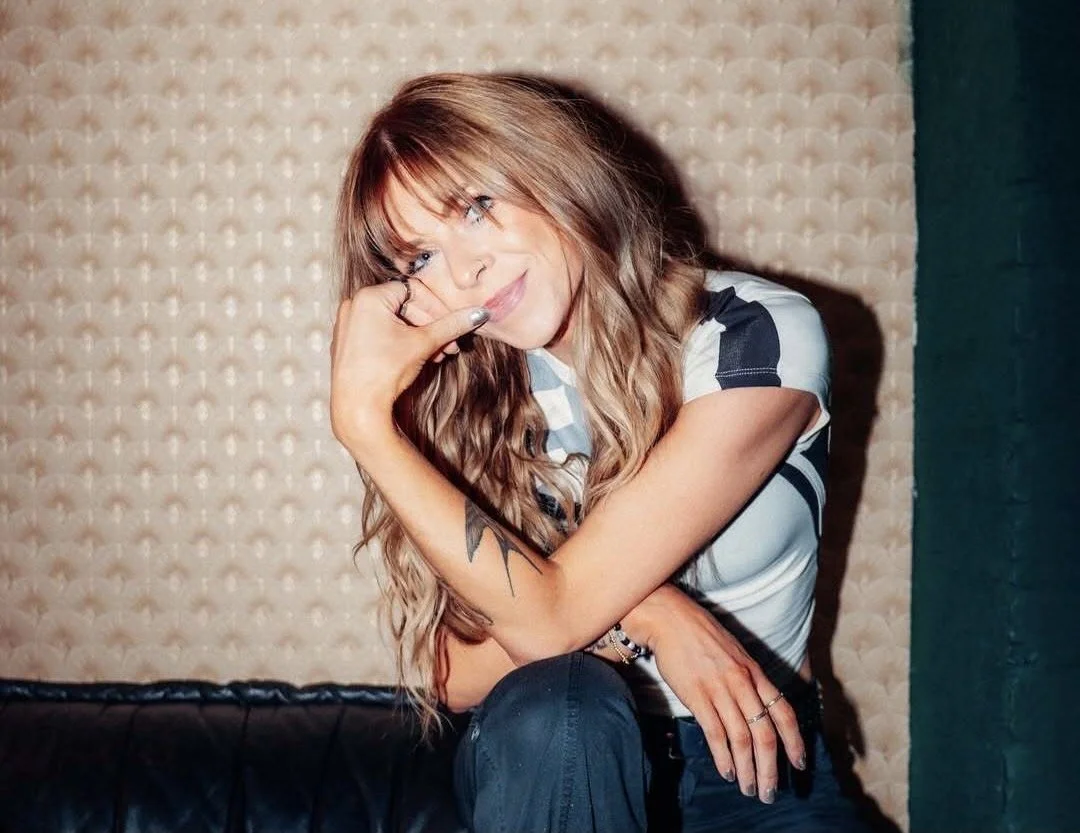
WHEN GROWING OLDER DOESN’T NECESSARILY MEAN OUTGROWING YOUR INSECURITIES—TAYLOR ACORN finds comfort in the beauty of becoming through her latest release, “Growing Pains.”After nearly a decade of building her career independently, Nashville-based singer-songwriter Taylor Acorn has learned that growth rarely looks the way we imagine it.
What once felt like distant dreams have become her reality, from signing with Fearless Records to sharing stages with artists who helped shape her musical upbringing. Yet, beneath the milestones and an ever-growing audience, Acorn remains someone navigating the same insecurities, uncertainties and pressures that have followed her throughout her life. With “Growing Pains,” lifted from her latest release, Poster Child Deluxe, she explores the complicated realization that becoming an adult doesn't mean suddenly having everything figured out.
Built around understated production and deeply personal lyricism, “Growing Pains” allows Acorn's unmistakable vocals and emotional honesty to take center stage. Rather than chasing the larger-than-life production of some of her previous releases, the track finds its strength in simplicity, creating space for the feelings behind the lyrics to resonate. Reflecting on the anxieties that can follow us from childhood into adulthood, Acorn finds beauty in the uncomfortable moments of change, reminding listeners that growth isn't necessarily about leaving our former selves behind, but learning to understand and embrace the people we are becoming.
The Luna Collective sat down with Taylor Acorn to discuss the inspiration behind “Growing Pains,” navigating the balance between her personal life and a growing music career, the lessons she carried from her independent beginnings, and finding comfort in the ever-changing process of becoming. Read the full interview below.
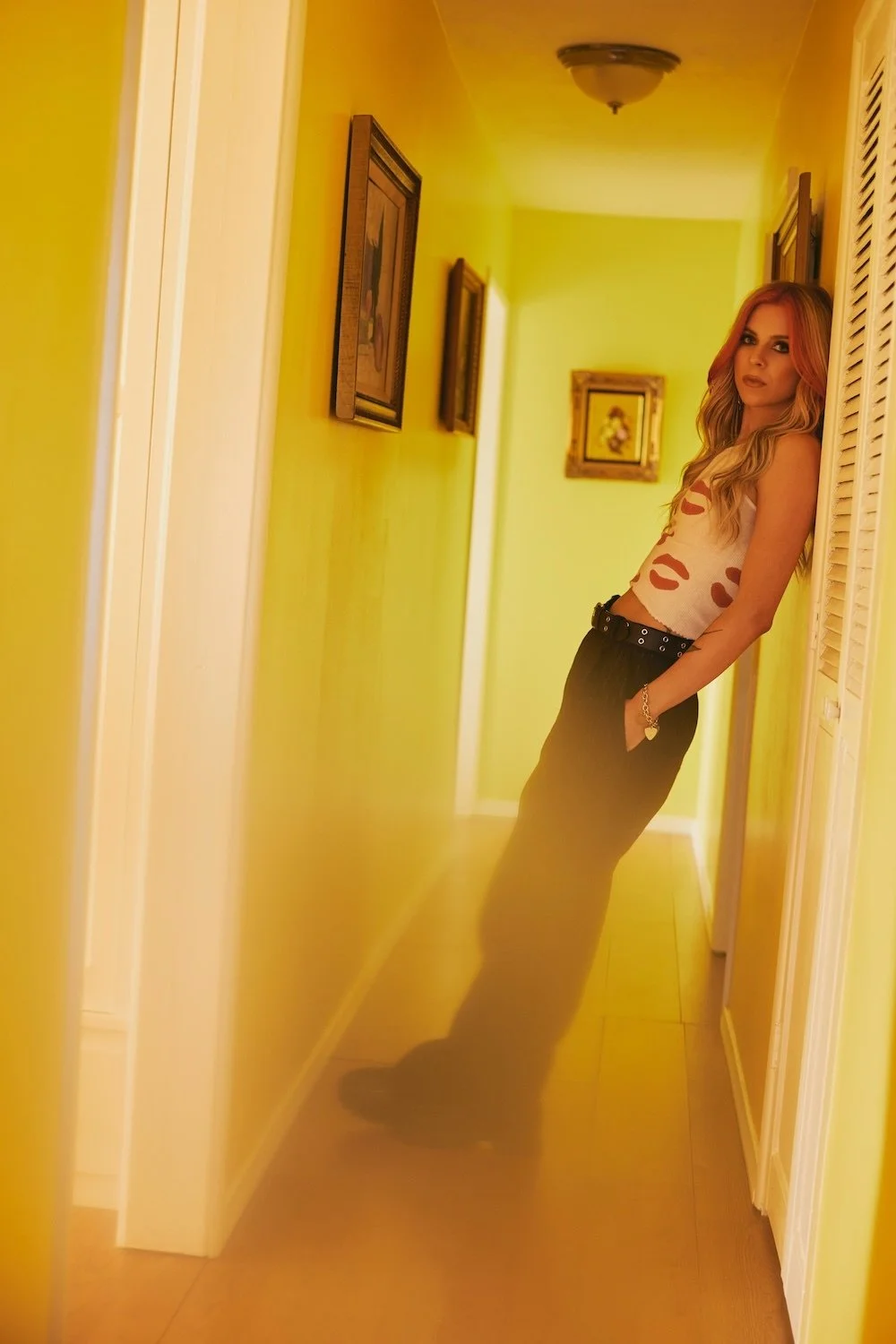
LUNA: “Growing Pains” feels like a reflection on the realization that getting older does not necessarily mean leaving your insecurities behind. What was happening in your life or in your head when you first started writing this song, and what made you want to explore that idea now?
TA: I think it was a multitude of things really! I have always tried to be really honest about my own personal struggles with my mental health in my writing, but while we were writing this song specifically I was experiencing immense pressure in my career and, on top of that, in my own personal life. There's so much you don't even think about when you're a kid begging to grow up, but once you do it's really hard not to reflect on the past. Looking back now, those feelings I fought with were so trivial and silly, but we persevered and now here we are. It may be a tough hill to climb, but we’re trying and that's all that matters.
LUNA: There is a really striking vulnerability in “Growing Pains,” particularly in the way you acknowledge that some of the anxieties we experience when we’re younger can follow us into adulthood. Has your relationship with insecurity changed as you have gotten older, or have you simply learned to understand it differently?
TA: I would say yes in ways, but also no in ways too. I am naturally extremely shy so to have to be so outwardly facing online and on stage—that's really difficult. It's hard not to look back on performances, photos, the way my hair looked, my clothes, the weird way I smiled, etcetera and not absolutely pick it apart. It's also really hard to physically see all of the things people dislike the most about you and not want to change. I used to really just want to fit in, especially as a kid. I think as a young girl too it's easy to feel overlooked or feel like you aren't good enough. Sometimes I still feel that way, but I try my best to be reminded of how far I've come by simply just being myself and that's a really cool thing to be able to say.
LUNA: The production on “Growing Pains” is notably understated, allowing your vocals and the lyrics to remain at the forefront. What did you want the sonic landscape of the song to communicate, and how did you know when the production was doing enough without taking away from the emotional core?
TA: For so many tracks I've written previous to “Growing Pains,” it always felt like we were chasing production. It had to feel massive, there had to be big vocal moments, but as we built this song out, my collaborators and I agreed it didn't need all of that. I wanted the lyrics and the meaning of the song to shine and sometimes less really is more. We did explore with different guitar tones and synths. It feels super nostalgic to me and I'm really happy with how it turned out. I love that song so much.
LUNA: You have been very open about mental health throughout your music and your career. When you’re writing about something as personal as anxiety, self-doubt or growing older, how do you decide which parts of that experience are yours to keep private and which parts you want to share with your audience?
TA: At my core I'm a pretty open book and I always look at my own writing as a release for the things that I go through, so I don't ever feel super afraid to lay it out there. I think it's also important to be honest because then the listener gets to know and connect with me a little better. It's important for people to understand there is a human on the other side of what they are hearing or seeing. When it comes to super personal things like family, relationships, all of that, I will keep those things super private because I do believe in having something that's just for me. It gives me a layer of normalcy in a career that is very far from normal at times.
LUNA: The phrase “growing pains” can describe so many different experiences, from changing relationships and shifting identities to confronting parts of yourself that you thought you had already outgrown. What does “growing pains” mean to you personally at this stage of your life and career?
TA: Oh, man—I feel like every day it means something a little bit different. For me, it's been navigating my personal life and my career, trying to balance two very opposite things. I am a homebody to my core, I've always been super shy and somehow I ended up in a career where I cannot be that (at least not all the time). So for me, I am still learning how to adapt, what to say, what to do, how to do right by my fans and people who support me but at the same time make sure I'm taking care of myself and being present in my personal life. I think it's inevitable, the older you get—dreams and goals you set for yourself shift or ideas that you thought you'd never have as a kid start to come into the picture. Life is about learning and unbecoming and rebuilding constantly and that's been something I've tried to remind myself.
LUNA: You spent nearly a decade building your career independently before signing with Fearless Records. Looking back at that earlier chapter, what are some lessons from being independent that still influence the way you approach your music, your career and your creative decisions today?
TA: I would say the biggest lesson is nothing is ever that serious! And I mean this in the way of allowing myself to just enjoy the ride and stop putting so many expectations on it. I started making music because it’s what made me the happiest version of myself and if something isn't perfect, that's okay because things will always go wrong. However, when things go right the win is so, so sweet. We are living our dream despite it all. It's allowed me to approach my career in a way that I can be grateful for what is in front of me now because I worked really hard for it. I don't really expect more, I'm just happy to be where I'm at and, if there's another mountain we get to climb, I'm excited and grateful for that too.
LUNA: Your audience has grown dramatically, with more than 200 million Spotify streams and one million TikTok followers, but the emotional intimacy of your songwriting remains a defining part of your work. How do you preserve that sense of intimacy when your audience becomes larger and increasingly global?
TA: I think it's all in angling it in a way that can be relative to not only my own life but someone else's as well. Music is so cool in that way. Like I said previously, I think there is so much beauty in honesty but sometimes—especially when it comes to relating to a larger audience—it's good to have it feel a little more open-ended rather than dishing out every detail of my life.
LUNA: Your music sits comfortably between modern pop, rock and deeply personal singer-songwriter storytelling. Do you think about genre when you’re creating, or do you find that the genre labels tend to come after the song already exists?
TA: I have so many influences musically, so I don't really think about genre. If anything, I think about what I would really like to create, what's new and exciting for me but also what the people listening would like to hear from me. I think there's so much fluidity within music now that artists can do that—which is super exciting. I feel like labels always come after the fact, or how you’ve branded yourself. I just feel really lucky to be able to live in more than one world musically. It's really fun.
LUNA: With “Growing Pains” arriving as part of Poster Child Deluxe, how does this song fit into the larger emotional world of the album? Does the deluxe edition represent a continuation of the story you began with Poster Child, or does it reveal a different side of where you are now, creatively?
TA: I wrote “Growing Pains” right after I had gotten back from touring Poster Child. It was what I was feeling at the time and definitely felt like a cool extension of Poster Child into this new world that I want to build when it comes to writing new music. I really feel like all of the songs feel that way. “Isn't It Strange” and “Batteries” both felt like extensions too, but we had been in the midst of writing what the record is now at that time and they didn't quite make the cut during round one. I'm really happy they both get to see the light of day [now] though because I love them both so much. I feel like they’re great stepping stones into this new world that I want to create and I'm really excited for that.
LUNA: “Isn’t It Strange,” your collaboration with Knox, explores another perspective on emotional uncertainty and relationships. What did working with another artist bring out of you that you might not have discovered while writing and recording entirely on your own?
TA: Knox is one of the most talented humans I think I've ever met. Creatively, he’s a powerhouse, [as well as] vocally [and] as a songwriter, and I felt really lucky that he wanted to lend his voice and his craft to that song. Working with artists like him really allowed me to open my mind sonically. He leans more into the pop space which pushed me to explore a totally different lane musically than what I would instinctively on my own. It's really good to have other artists like that to challenge you.
LUNA: You have gone from building your career independently to sharing stages with artists such as Avril Lavigne, Dashboard Confessional and All Time Low, artists who helped shape your own musical journey. What is it like to find yourself performing alongside artists who once existed primarily as influences or inspirations?
TA: It still doesn't fully feel real at times. I find myself constantly reflecting and wondering if it all was just one giant fever dream, to be completely honest. I feel so incredibly lucky that this is where I am. To have been so welcomed into a world that I was and am still such a massive fan of is the biggest blessing—everyone has treated us with so much love and kindness.
LUNA: Your upcoming live schedule includes Ceremony Festival and a U.S. headline tour with State Champs. How does performing these songs live change your relationship with them, especially songs that began as very private or emotionally vulnerable experiences?
TA: The way I see the fans interact with them—I think that's what really does it for me. To see the relationship that they've created with them, to see what they get excited about or hearing their stories and how the songs have changed them. It makes me appreciate these songs so much more. They have done so much for me, but watching them do so much for someone else is the greatest gift you could ever ask for.
LUNA: There’s often a difference between the person who writes a song and the person who eventually performs it in front of thousands of people. Has performing your more vulnerable songs changed what they mean to you, particularly when you see listeners connecting their own experiences to your lyrics?
TA: For sure! Like I said previously, a song may mean something to me but mean something completely different to someone else. I get to see people react to them in real time and see how these songs have played a part in their lives. It's the coolest thing I've ever gotten to do and I hope I can do it for many [more] years to come.
LUNA: After spending years developing your voice as an artist, what parts of Taylor Acorn today would surprise the version of yourself who was first trying to build a career independently? And conversely, what parts of that younger Taylor do you feel you have carried with you?
TA: I think independent Taylor would be extremely proud. It's so easy to get caught up in expectations and milestones, but I think she’d be very grateful for where we've landed so far—which she is because she is still me at the end of the day! I want to continue to carry that excitement and love for music, first and foremost. I always want that to be the premise of who I am as an artist.
LUNA: If “Growing Pains” is ultimately about accepting that becoming an adult does not mean becoming a completely different or perfectly confident person, what do you hope listeners take away from that realization? What would you want someone going through their own growing pains to hear in this song?
TA: I hope listeners take away the fact that it's okay to be human. I feel like nowadays there's so much pressure to be perfect or to have everything figured out, but, hey, this is your first time on Earth! No one has a perfectly planned-out playbook of how life should be. Everyone's paths are so very different and it's important to lean into the times that feel uncomfortable or the times that feel painful because that's when growth happens. If one door closes, another one opens and I'm a firm believer in that. You just have to be willing to let doors close.
