
INTERVIEW
INTERVIEW
☆ BY DANIELLE HOLIAN ☆
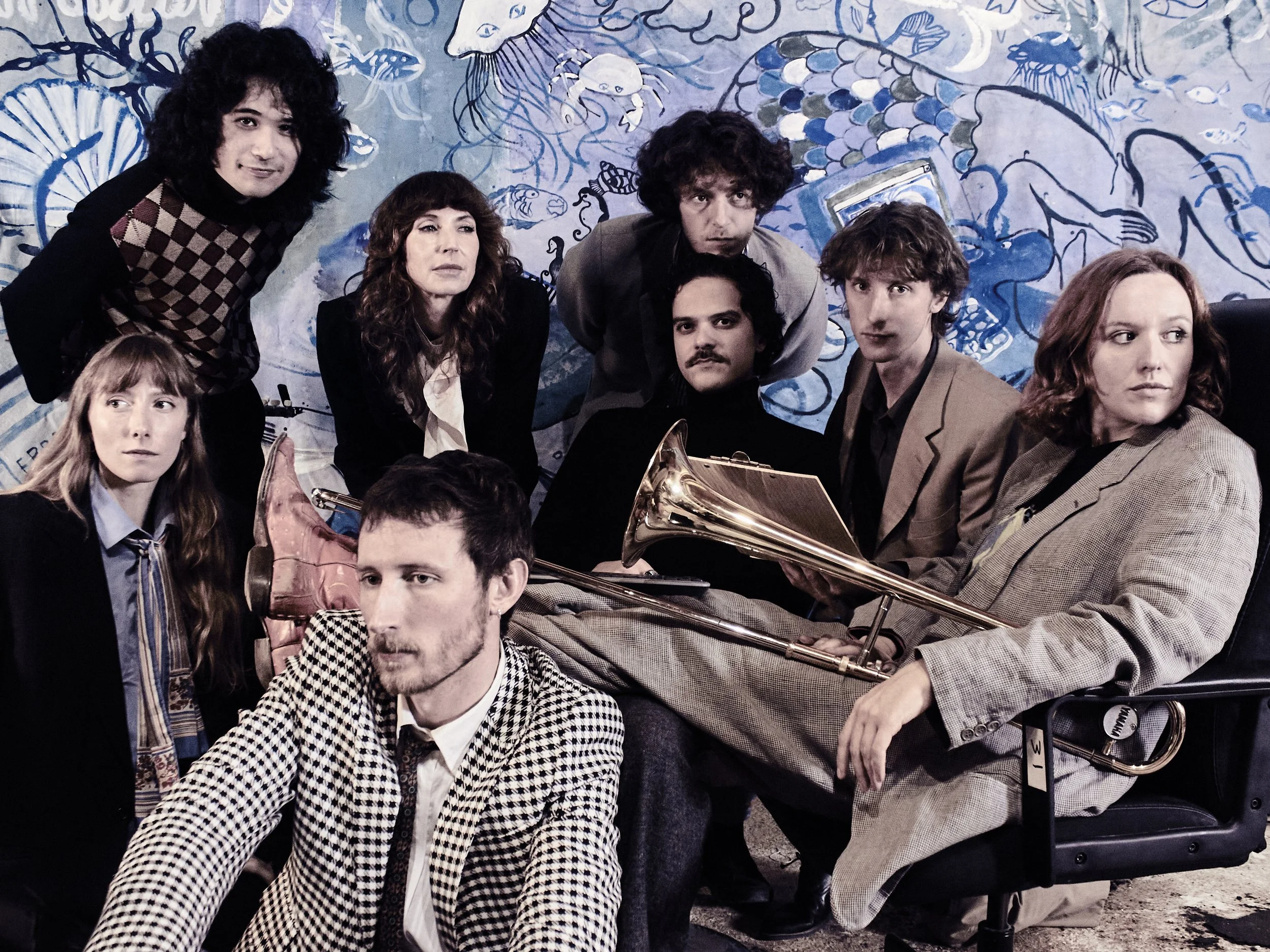
IN A WORLD WHERE CONSUMPTION KNOWS NO LIMITS AND REALITY FEELS INCREASINGLY SURREAL, THIS IS THE DEEP INVITE LISTENERS INTO A DREAMLIKE UNIVERSE OF PSYCHEDELIC POP, ORCHESTRAL FOLK AND THEATRICAL STORYTELLING THROUGH THEIR DEBUT ALBUM, EVERYTHING (DICK HERMAN, THE WHALE AND THE END OF THE BEGINNING)—Led by musician and visual artist Ranny Macdonald, the London-based collective have created a richly imagined world where music, visual art and surreal narratives intertwine. At the centre of the album is Dick Herman, a fictional tech-bro whose journey through a series of strange dreams becomes an exploration of perception, ecological imbalance and the endless appetite of modern consumerism. Part fever dream, part cautionary tale, Everything finds beauty and absurdity in equal measure, pairing ambitious arrangements with playful songwriting and moments of unexpected emotional clarity.
Across the record, This Is The Deep move between bittersweet songwriting, psychedelic textures and expansive orchestral arrangements, drawing on influences that range from The Beatles and The Beach Boys to Roxy Music. Their latest single, “Never Easy,” offers a more intimate glimpse into this world, exploring the breakdown of a relationship through dual vocals from Ranny Macdonald and Hannah Tilson. Originally written about the end of a creative partnership, the track balances emotional tension with an unexpectedly upbeat musical arrangement, allowing light and darkness to exist side-by-side.
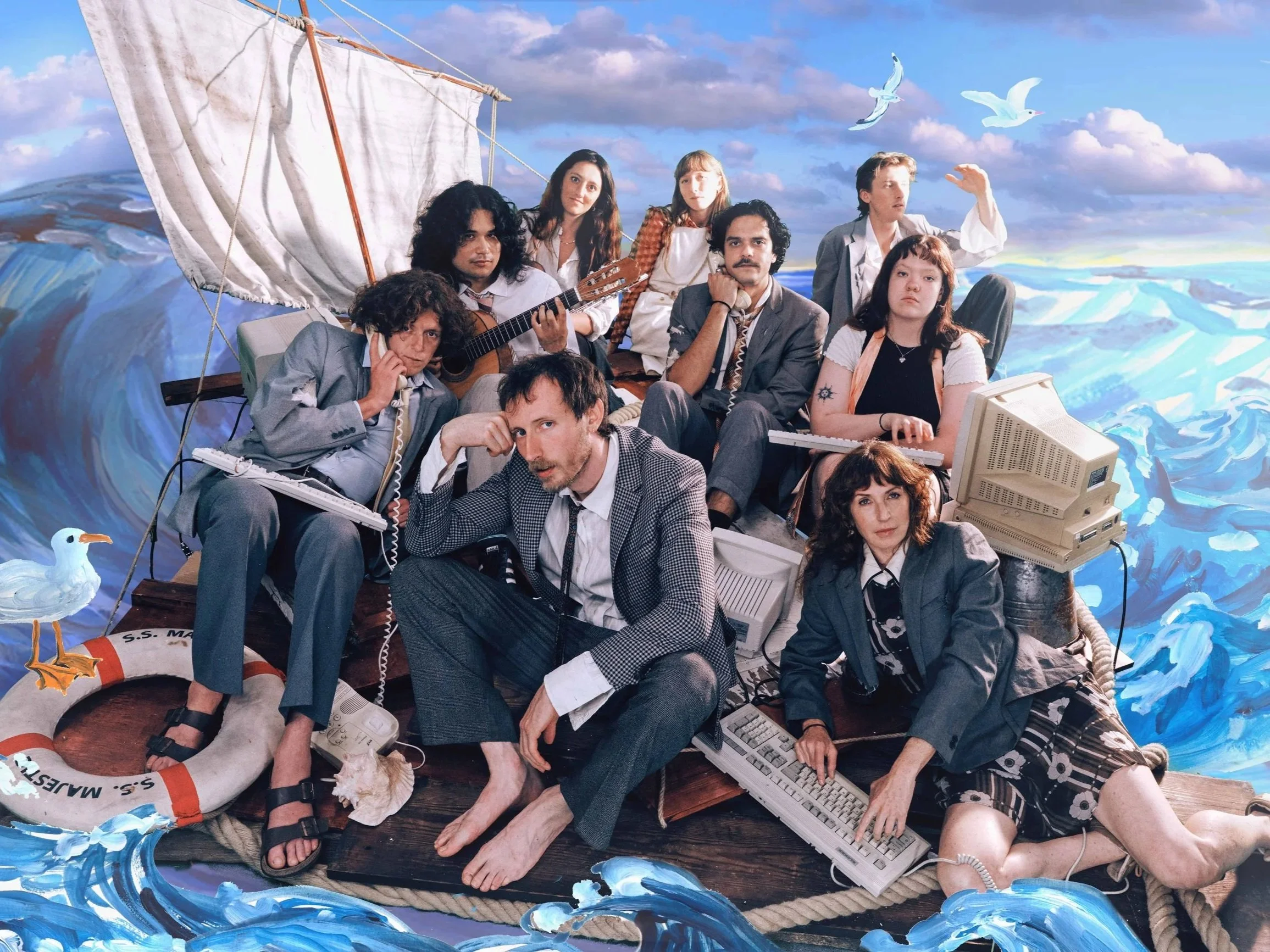
Extending beyond the music itself, This Is The Deep bring together musicians from the UK, Brazil and Japan, with a creative vision that encompasses animation, painted sets, theatrical performance and surreal visual design. For Macdonald, the relationship between music and visual art is an opportunity to explore new creative possibilities, allowing each discipline to inspire and transform the other.
The Luna Collective sat down with This Is The Deep to discuss the stories behind their debut album, the emotional inspiration behind “Never Easy,” the freedom of creative collaboration and the imaginative universe they're continuing to build. Read the full interview below.
LUNA: Your new single, “Never Easy,” explores a relationship in which both people feel trapped in a cycle of frustration and misunderstanding. What inspired the song, and how did you approach capturing that sense of emotional exhaustion through the music?
TITD: This is actually one of the oldest songs on the record. It was written a long time ago, not about a romantic relationship, but a relationship between myself and an old songwriting partner, which can be an incredibly intimate thing. In terms of the writing, when it’s going well you don’t have to think about how you approach the thing. That feeling is overwhelming and the song is a way of tapping that feeling out of your body. What a song is about usually reveals itself through the process of writing—sometimes immediately, sometimes not, sometimes not until years later. I do think this was pretty straightforward though. I also try not to think too much about the meaning, but just notice and be aware of it. One thing on the production side of this one was we used [a] ripping paper sound as a percussion instrument though[out] to work with the themes.
LUNA: The track features dual vocals from Hannah Tilson and Ranny Macdonald, creating an intimate, conversational dynamic. How did the decision to bring both voices together shape the song’s emotional perspective?
TITD: Weirdly enough, Hannah and I were in a relationship when we recorded this track which was now quite a few years ago. We have since broken up but are friends and back playing together. I’m a big believer in playing with family, friends and people you love in general which is why I also play with my siblings. I think if you can make something invisible like love visible in some way, well...that's what it's all about isn't it?
LUNA: Musically, “Never Easy” balances bittersweet songwriting with playful textures, bubbling fuzz and swelling wah-wah guitar. How do you approach combining contrasting sounds and moods without losing the emotional heart of a song?
TITD: I think [with] arranging and writing this one, there's a sense of lightness in the music, with an upbeat feel and quite big major changes, which slightly jar with the sadder lyrics. Personally I enjoy this combination, each side is there to throw the other in relief, like light and dark in a painting.
LUNA: You’ve described “Never Easy” as a dream vignette and a flashback to the protagonist’s past. How does the song fit into the wider narrative of your upcoming debut album, Everything (Dick Herman, The Whale, and The End of the Beginning)?
TITD: The album is a series of this character’s dreams.In that context , this is one of his dreams, it's one of a couple of tracks that's more about a relationship. Dick’s a character who’s looking for something within that he feels is missing—this is part of that process, looking at a relationship that's broken down.
LUNA: Your musical influences range from the orchestral pop of the Beach Boys and the theatricality of Roxy Music to the experimental approaches of The Beatles and Black Country, New Road. How do these different reference points come together in your songwriting, and how do you ensure the result remains distinctly This Is The Deep?
TITD: I never worry about that or try to force reference points into music, as long as you work on things you love it normally comes out OK. The most important thing is being honest with yourself.
LUNA: The album was self-produced, with additional production from SHOLTO and Patrick Fitzroy. What did the production process allow you to explore, and were there any unexpected sounds or arrangements that changed the direction of particular tracks?
TITD: Everyone who's worked on this record has been fantastic. There’s a lot of play involved and we always try to leave space for unexpected sounds or arrangements to come in—or different combinations of things that probably aren’t new but might seem that way to you at the time. I think if you can expect the arrangement or production too much in my eyes it can become a bit boring. The fun is to make something that you’re surprised by.
LUNA: This Is The Deep brings together musicians from the UK, Brazil and Japan, with an expansive lineup featuring instruments such as violin, harp, trombone and trumpet. How does having such a diverse group of musicians influence the collective’s creative process and the way you arrange your songs?
TITD: Certain instruments and players definitely influence the way I write, knowing you have strings, horns and amazing singers changes what direction you can go and what kind of a song or melodies you can write. That's definitely the case here. Then, when something's taken to the band, musicians change it more. This record was a nomadic beast for several years and so the arrangements were built up slowly over time in drips and drabs, which isn’t an ideal way to work. I’m much more into how they sound live now.
LUNA: Your project extends beyond music into visual art, animation, theatre and surreal storytelling. As a visual artist and musician, how important is it for you to create a complete artistic world around the music rather than letting the songs speak entirely for themselves?
TITD: I don’t think it's essential and music should speak for itself, but it’s fun to do and I think, in our case, it gives license to make different kinds of music—they can both spur each other along. It happens quite naturally. As someone involved in the art and music world, it was also one of the reasons I started this project:to try and connect the two sides of my own practice.
LUNA: Your live shows incorporate inflatable whale costumes, elaborate stage designs, dancers and immersive theatrical elements. How do you translate the surreal world of the album onto the stage, and what do you hope audiences experience beyond a conventional gig?
TITD: So these are mostly ideas we want to introduce. The whale costume is underway [now] though, which I’m excited about. I think we need bigger stages and budgets before we can introduce dancers. I’m interested in where pop music and visual art overlap and this project is designed to explore that space. We look for synergies between the music and images and try to tie them together and collaborate with people who we feel excited about.
LUNA: With “Never Easy” arriving ahead of the album on Nov. 11, how did you decide which track would introduce listeners to this expansive musical and narrative world? What does the single reveal about the album that audiences might not expect?
TITD: There's quite a lot of variety on the album from folky acoustic numbers, french chanson, and something that to my ears is a kind of techno sea shanty. No two songs are the same so we just went for the ones that are more accessible and work as more traditional pop songs.
LUNA: Looking beyond the release, what would you like This Is The Deep to explore next, both musically and visually? Do you see yourselves continuing to build these elaborate fictional worlds, or are you already drawn towards a completely different creative direction?
TITD: We have more than other records worth of songs written. Whether or not Dick Herman will continue his journey or not remains to be seen. With all of these creative choices I try to use blind instinct, waiting for the right path to reveal itself. It can be a difficult way to move forward as it's unpredictable, but it seems to work okay.
