
Q&A: Inside the Dreamscape of Wyldest’s ‘The Universe is Loading’
INTERVIEW
INTERVIEW
☆ BY GABBY MACOGAY ☆
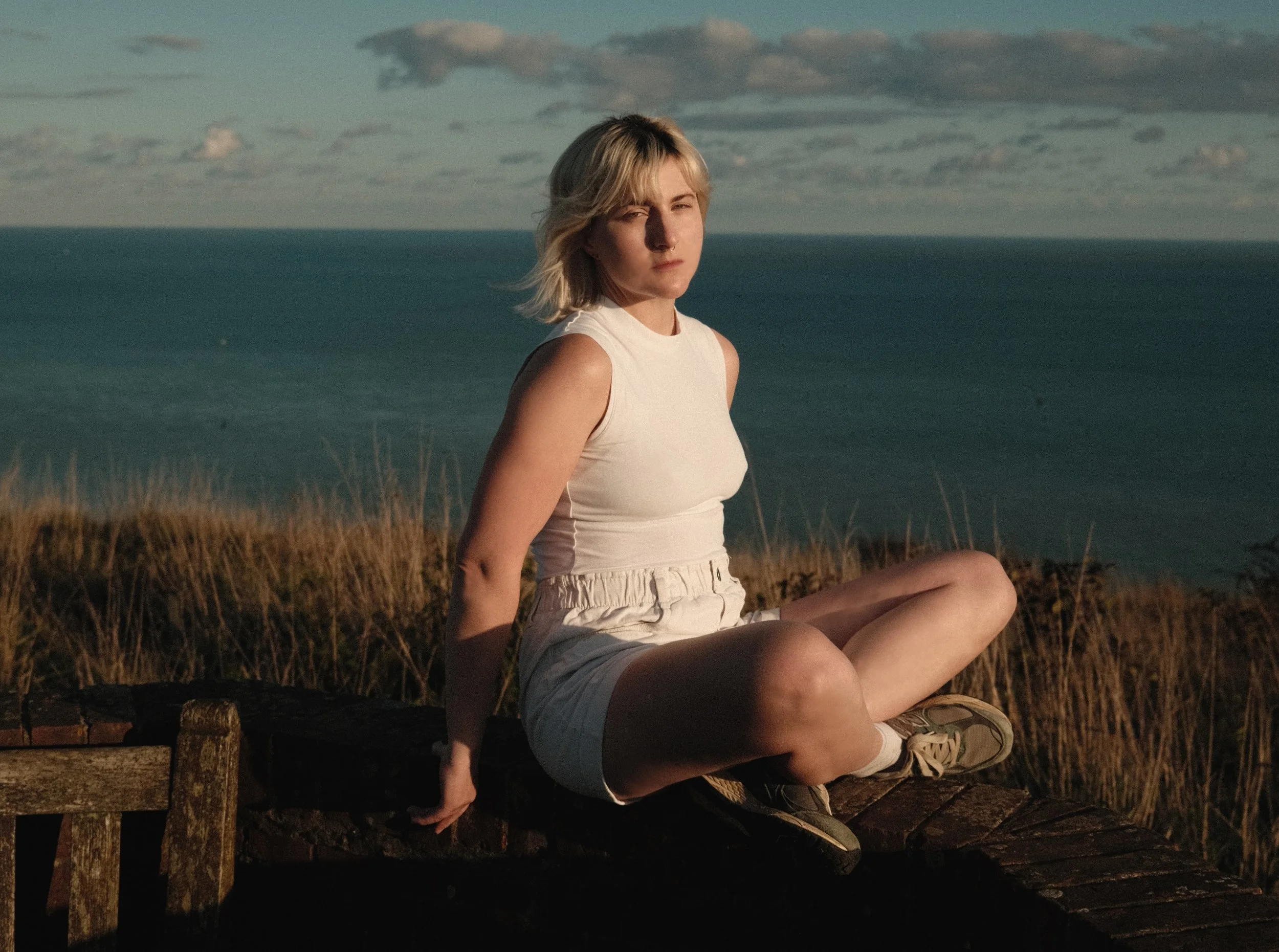
Photo by Tom Gaiger
WILL YOU FOLLOW ME THERE?—In the opening track of Wyldest’s latest album The Universe is Loading, the luminous dreampop indie rock artist implores listeners to follow her through a hypnotic world influenced by science fiction, nature, gothic romance and surrealism.
Wyldest is the musical persona of London-based Zoe Mead, a singer-songwriter who finds herself facing a new chapter following the release of The Universe is Loading. Described as Mead’s artistic rebirth, the album explores themes of personal identity, grief and acceptance across 11unique, yet cohesive tracks.
As Mead begins working on each new project, she begins brainstorming with a “collection phase,” where she seeks out new sources of inspiration that call to her artistic spirit. For this project, Mead found inspiration in a series of somewhat unconventional places, ranging anywhere from the expanse of an abandoned nature reserve to the haunting film scores of the late Angelo Badalamenti.
Luna had the opportunity to chat with Mead about The Universe is Loading before she embarks on her headline tour this spring. Read more below to learn more about the creative process behind the creation of her latest work.
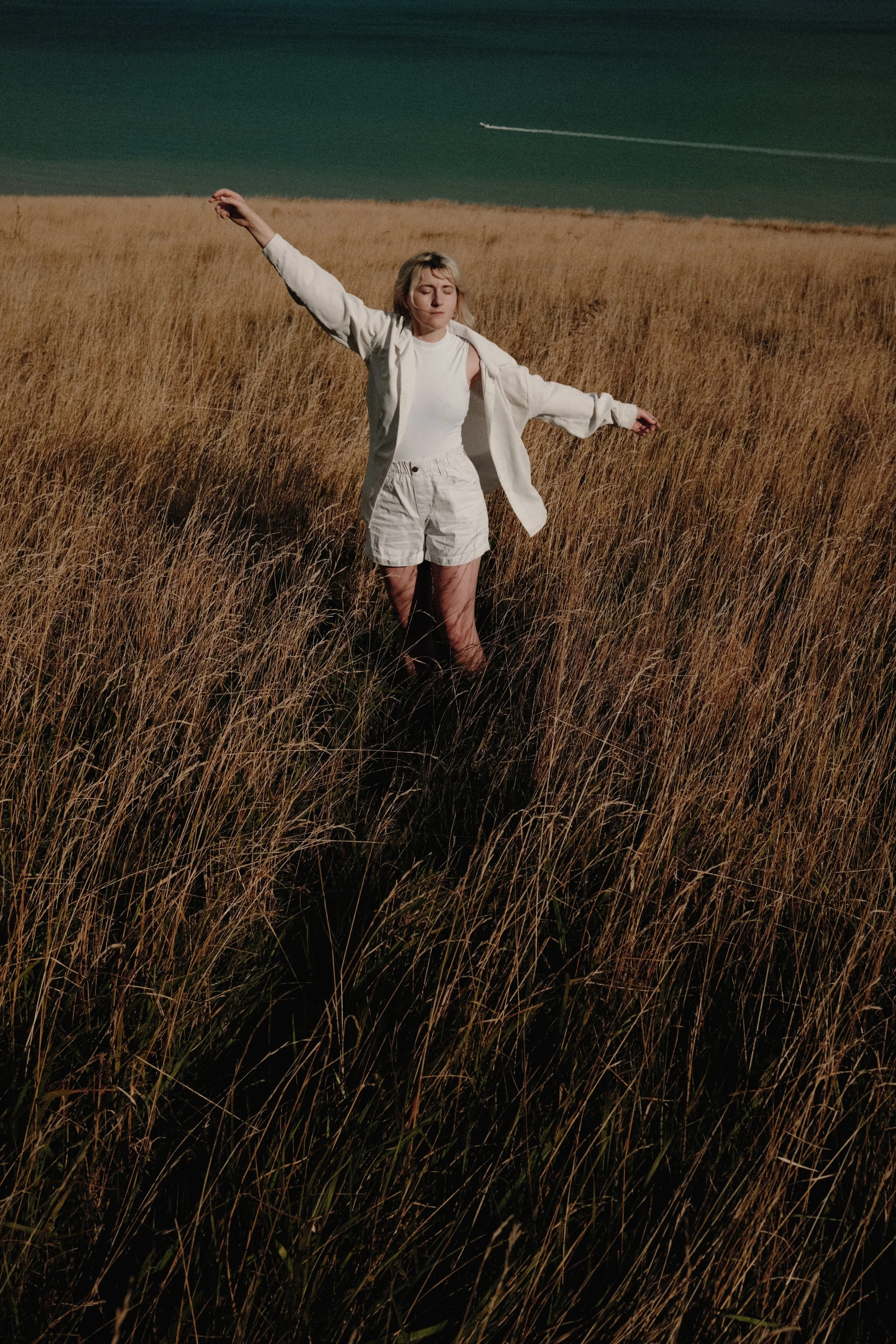
Photo by Tom Gaiger
LUNA: First of all, congrats on your recent release. It's such a beautifully-made album, I'm really excited to chat about it with you today. Can you walk me through part of your creative process for creating the universe's loading and what went into developing the concept from the start?
WYLDEST: It starts with a kind of bargain bin of demos that I kind of have laying around my hard drive. Some are a day old, and some of them are 10 years old. You go into this bargain bin and whatever you feel inspiration from. I actually love it when you pick one from, you know, a decade ago, you're like, ‘Wow, I didn't realize this was actually good. The time is now. 10 years ago, it wasn't.”
The Universe is Loading itself, I was in the collection phase. In that phase when I'm demoing, I tend to go out to a lot of exhibitions, see a lot of music and just feel inspired. This particular album, I was feeling really drawn to space and nature and tech and AI and automation and how that's starting to shape our existence. Last summer, I got quite obsessed with this place. It's not very well known, my pals in London haven't heard of it, it's only half an hour away from London. The Thames River: it’s all polluted, nasty. It goes out of London and it becomes an estuary, and eventually the sea, and I got quite obsessed with this place called Cliffe Pools which is along this estuary. It’s this industrial wasteland that nature's kind of taken back. It’s got loads of pools of water, it's all blue and lovely. In the summer, it looks like it's like a dream land, like you can swim there. But all the water is toxic, because it's the outflow of London. It's a really grim place, but in a way, through the right lens, it's kind of beautiful. There's a lot of birds, particularly the skylark, that are going extinct in the area, and they've managed to thrive there because humans have left it alone, because they've screwed it up and made it toxic. But anyway, The Universe is Loading as a whole, it's reflecting on nature, human interference, and also gothic novels and romance. I love grotesque romantic stories and I write a lot of music for film and television, so I like to pop that into there as well. I’m trying to make the album sonically not just like an indie album, to place in my influences and inspirations in soundtrack music as well.
LUNA: I love that anecdote. The battle of human interference and nature—it's something I feel that comes out presently in this album, and like you said, is also a very present issue and topic in today's world and has been for so long. It’s wonderful to hear that weave into your music along with all of your influences. When you were talking about soundtracking, are there any specific soundtracks or films that have inspired your journey as an artist?
WYLDEST: Yeah, always Twin Peaks. Generally anything David Lynch, but obviously Angelo Badalamenti, who scored Twin Peaks, the work of him, Julee Cruise, and that scene of dark, weird, suburban America. I'm very influenced by America generally; I think that's why I was drawn to this Cliffe Pools place, because it almost reminds me of some places I've been to in America. You don't get these vast wastelands so much in the UK because it's so small, so all the land is being used for something commercial. That's what I find striking about America. To go back to your question, Emile Mosseri, who scored Minari; Jon Brion, Eternal Sunshine of the Spotless Mind; those are my film score composing influences.
LUNA: I saw that your love of surrealist films and gaming has also influenced your work. I was planning to ask you about David Lynch, because I figured he's such a widely-known surrealist artist, and about Twin Peaks. When I was listening through this album, it really reminded me of the scenes in the Roadhouse where they have an artist singing to close out each episode of “The Return.”
This album has also been described as an artistic rebirth. What exactly does that mean for you?
WYLDEST: It wasn’t an intentional thing, but when I was about 50 percent through writing the album, I had to take some time out because I had a health scare. I was just going in and out of hospital and I was distracted at the time, getting lots of tests. It ended up being endometriosis, which is something that I'd never really thought too much about. I've heard the term before, but it's not something that people are talking about too much, even though it's really common.
Obviously it's very, very fortunate it wasn't anything more serious, because I was getting tests for all kinds of things. My brain was elsewhere. Half of the album was written before this, I'm going to call it health trauma, and then half of it was written after, and it changed my entire mindset on life, in a way, because there were times where I was going into hospital getting tests for things that were really terrifying, it was a really uncertain time. Then I came out the other end, fortunately, with a diagnosis which can be life changing, but it's not the worst thing in the world. It's just something you incorporate into your life.
I wrote a song, the lead single of the album, “After The Ending,” directly after—it just poured out of me. It was written in half a day. It felt like I was onto a new wavelength of thinking. And yeah, it kind of molded the album. It’s very much 50/50, and I guess that’s what I meant by rebirth. We're all inevitably going to go through trauma at some point in our life, whether that's the passing of a loved one, it's always going to happen to us. I've been through some trauma, and I feel like each time it happens, in the moment it's terrible, and then you can use it as a way of moving forward and being reborn into a new person. I think the battle is trying to get back to who you were before the trauma, and that's almost impossible. You have to embrace it and embrace the new person going forward.
LUNA: I saw an anecdote about your song “Wax Museum,” that the inspiration for the title of that song came from an artist’s famous quote: “Don't be a wax museum.” I'd love to talk more with you about that one.
WYLDEST: Yeah, that was the first song I wrote for the album, actually, “Wax Museum.” It was setting this precedent, having written the big uptempo pop number first. I was super excited at that point. I wrote that after going to see the works of the late Canadian painter Philip Guston. I was really inspired by seeing his paintings. I do that quite a lot in my collection phase, when I'm demoing and trying to come up with a concept and feel inspired and write a collection of songs. I went to his exhibition at Tate Modern in London and I was quite struck by his work. Are you familiar with Philip Guston at all, or his work at all?
LUNA: I did a bit of a dive into him, but I am happy to learn more about him now, because now I'm very interested.
WYLDEST: Arguably, his painting earlier on in his life, everyone loved and thought it was great. Towards the end of his life, he painted relentlessly. He painted in a completely different style, and people hated it, and kept saying “Stop doing that. Do this other thing.” And he was just like, :Screw you. I like doing this.” He painted things almost in a childlike way. Until he passed away, it didn't get any kind of recognition, and that obviously happens to a lot of artists, but what struck me is that he had a no bullshit attitude to it. The paintings were political paintings, but in a childlike way. He was repeatedly painting legs being stacked up, and it was to do with racism and the KKK. He basically said, and this isn't the exact quote, something along the lines of, “You're not an artist unless you bear witness.” Therefore, “Don't be a wax museum”’ is related to trying to make something that you think people will like, or learning the craft and not allowing the art, because obviously it's very tempting.
I'm definitely guilty of it, I do it all the time. This is why I try to take influences away from just music, because I feel like I love things so much. I love this artist, or I love this album, and then I just want to recreate it, because I love it so much, and it's so tempting. But obviously that's the wax museum, because you're just doing something someone else has already done. In the song “Wax Museum,” I talk about plucking the flower before it's grown because it's starting to look beautiful, and not allowing it to become its best self. If you pluck it too soon, you kill it instead of letting it bloom and letting the roots go deeper. With art, it can be the same, you can create the pretty flowers, but there's not much that goes underground with the root.
I really loved Philip Guston's work. I read his book “I Paint What I Want to See” and he goes off on loads of tangents. Very strange man, but great brain, interesting brain. I just thought, I want to try and create something that actually, really means something to me. Because in the past, I haven't, I have created things which I think people will like. The bare minimum for me with this album was I had to love it. And if I don't love it, why should anyone else, you know? And going forward with music, a lot of artists, a lot of my friends who are musicians, we spend a lot of time venting about the industry and how there's not loads of money in it, how it's really hard to tour, the visa costs, there's so many barriers. It's really hard to do it. Why would you do it unless you're having fun and you're enjoying it. Why? What's the point? There's nothing to be gained unless you love what you're doing.
LUNA: You said you feel now you're writing more for yourself rather than what you think other people might want to hear. How did you come to terms with that, and what helped you shift into making music that was more for you?
WYLDEST: It wasn’t really a conscious decision. It was more just growing up. I spent a lot of time when I was younger really trying to fit in; I still try and fit in. Sometimes we all want to fit in. You start off in the industry – I mean, I did anyway, bushy-tailed and saying things like, ‘When, when we make it…’ I don't want to sound negative, because it's not, it's just learning. Unless you're within that 0.1 percent of musicians, probably less than that, the Dua Lipas—incredible, I love her—but these people that make a lot of money from being being a musician and deserve it; But unless you're there, then music is always going to be this thing where you're not necessarily making loads of money as an indie musician. Even if you’re doing really well, it's still really hard to make money from it equal to having a full time job. It was accepting that the music's for me, and the very least is to enjoy it and to get something out of it. For me, the community and making the music, the touring and meeting people is worth millions, and I wouldn't swap it for the world. It was that mindset shift: I want to make music for myself, not anyone else, and I want to be proud of it.
LUNA: Do you remember when your love of music first came into your life and when you decided that that was something you wanted to pursue throughout your life?
WYLDEST: My brother used to play in school bands, and I’d never really touched an instrument. I didn't come from a musical family other than my brother, who started playing guitar when he was in secondary school. He's six years older than me, so I went to a school concert when I was around eight or nine, and I just remember seeing him onstage and being super inspired by it. I had a karaoke machine, and I actually have some old tapes from this karaoke machine that I had when I was eight, where I recorded my voice and a drum beat from my keyboard. It was like multi-tracking and I didn't know I was doing it. It was this trial and error thing that I had in my own brain, because I didn’t really have any help, or I didn't really want to ask for help, because I didn’t want anyone to know that I was doing this in my room. As I grew up, I started playing guitar when I got to secondary school as well, and in high school. I learned some covers and started playing locally, and then it grew. I got addicted to the community, I suppose, feeling like you're part of something. Whether you're playing the music or whether you're going to a gig, I go to a lot of gigs for that very reason, because I just love soaking it up. I love being in that room with people in a stinky basement, sticky floor, just like feeling like you're part of something together.
LUNA: It’s magical, there's nothing like live music in the world. How did the name Wyldest first come about?
WYLDEST: I had this storybook when I was a kid, and it was called The Wyldest and it was in ye olde font. It was this old, creepy fairytale book. I remember being really scared of it, these scary little men running around, capturing kids and things. I just thought it was cool.
LUNA: Circling back to the whole David Lynch inspirations conversation, if you had to pick one song off of this album that would be placed into a scene from something like Twin Peaks: The Return or something of that surrealist nature that inspired you so much, which of your songs on this album would you like to be placed in that kind of realm?
WYLDEST: “The Whole World Cries,” definitely. That one's like, “am I ripping off Angelo? Am I ripping off Julee Cruise a little bit?” Maybe slightly. I think that was the only song where I really lent in there. The last few years have just been me consuming that kind of music constantly, consistently. But I consciously made that song in that way.
LUNA: I feel like that one would fit so well in there, for sure. If you had any words of advice or inspiration for any artists that might be inspired by your work or looking to follow in a similar path, what might you want to say to them?
WYLDEST: I love this because my entire dream now is to have those messages that I get now and again from young musicians. If they're referencing my music, my life is made. I feel like that's as good as it can possibly get as a musician/producer, someone being inspired by you. You feel like you’ve done what you set out to do. My advice would be similar to a few questions ago: make music for yourself. I have a lot of people reaching out on social media quite often, I love it. People ask me, “How do you do this?” How do you get a manager, or how do you get on the radio? Stuff like that.
My answer always is, don't aim for any of that. Don't aim for a manager. Don't aim for a label. Especially in this climate, aim to write the best music you can, shut yourself away and write your music. Because every amazing song that you write, if you feel that it's great, it is great. It's ammunition and it fills you with energy. As you write something you're excited about, it doesn't matter what anyone else thinks. If you're excited about it, you have this bump of energy, and it's addictive. You feel like you could do anything. Just keep writing. Keep being inspired and going out and creating a community and being part of a scene. Enjoy it.
You can catch Wyldest at these upcoming performances:
FEBRUARY
05 Folklore, Brighton UK
07 The Waiting Room, London UK
12 Night & Day, Manchester UK
13 The Victoria, Birmingham UK
18 Three Tanners Bank, North Shields UK
19 1990, Glasgow UK
20 PJ Molloys, Dunfermline UK
21 Cafe Indiependent, Scunthorpe UK
23 St Mary's, Chester UK
26 Voodoo Daddy's, Norwich UK
MARCH
13 Skipton Town Hall, Skipton UK
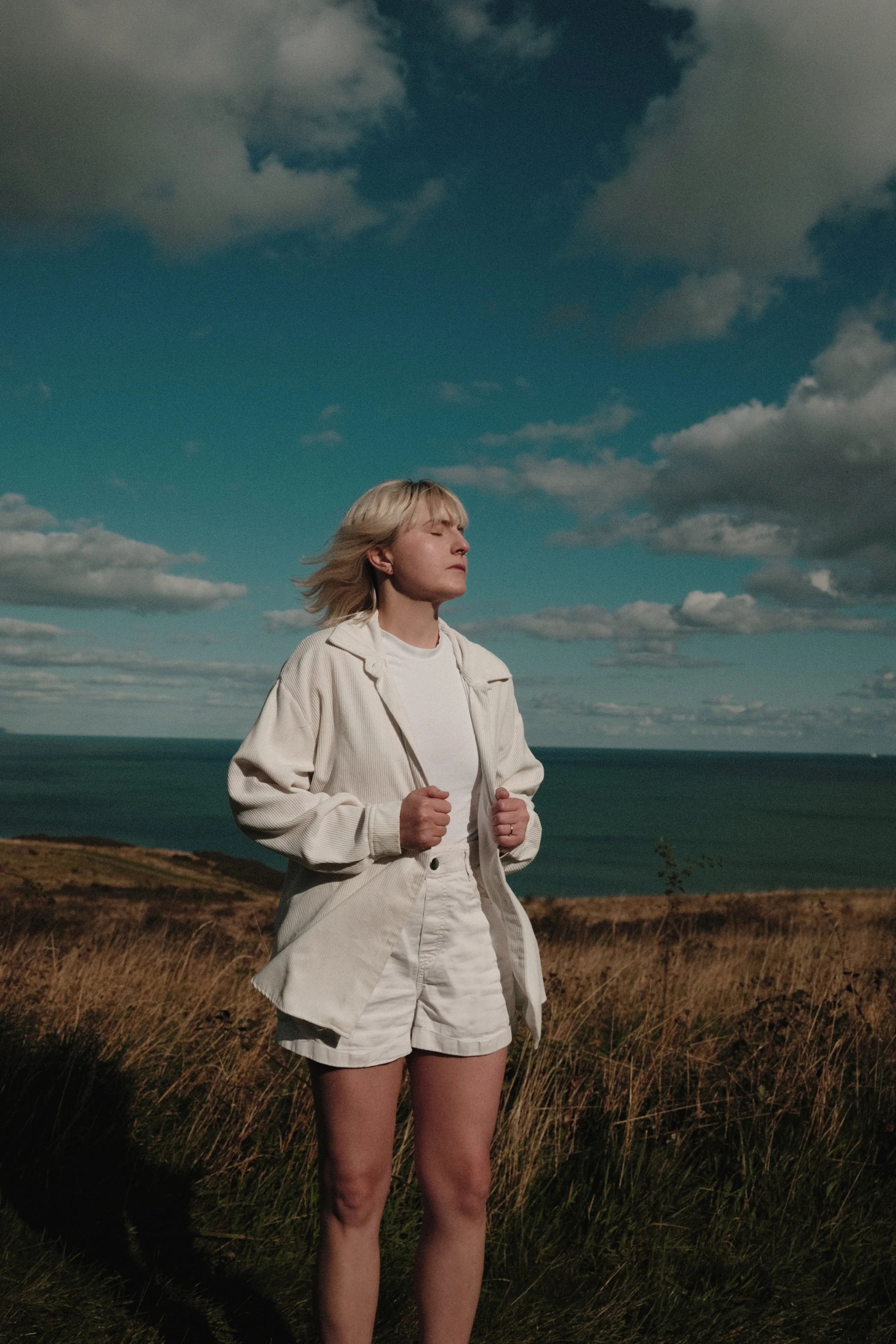
Photo by Tom Gaiger
