
REVIEW: The Feminine Excellence of Daisy Chain Fields
REVIEW
REVIEW
☆ ARTICLE BY ALEAH ANTONIO ☆
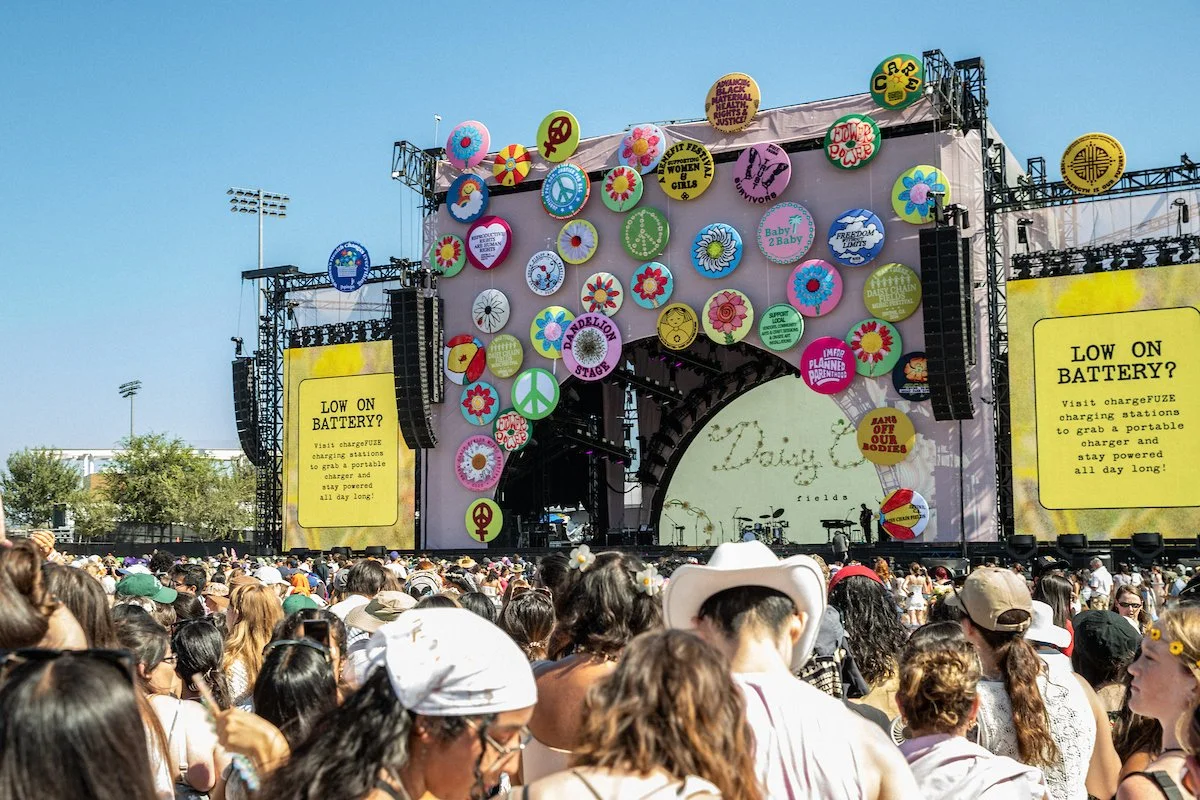
Photo Provided By Daisy Chain Fields
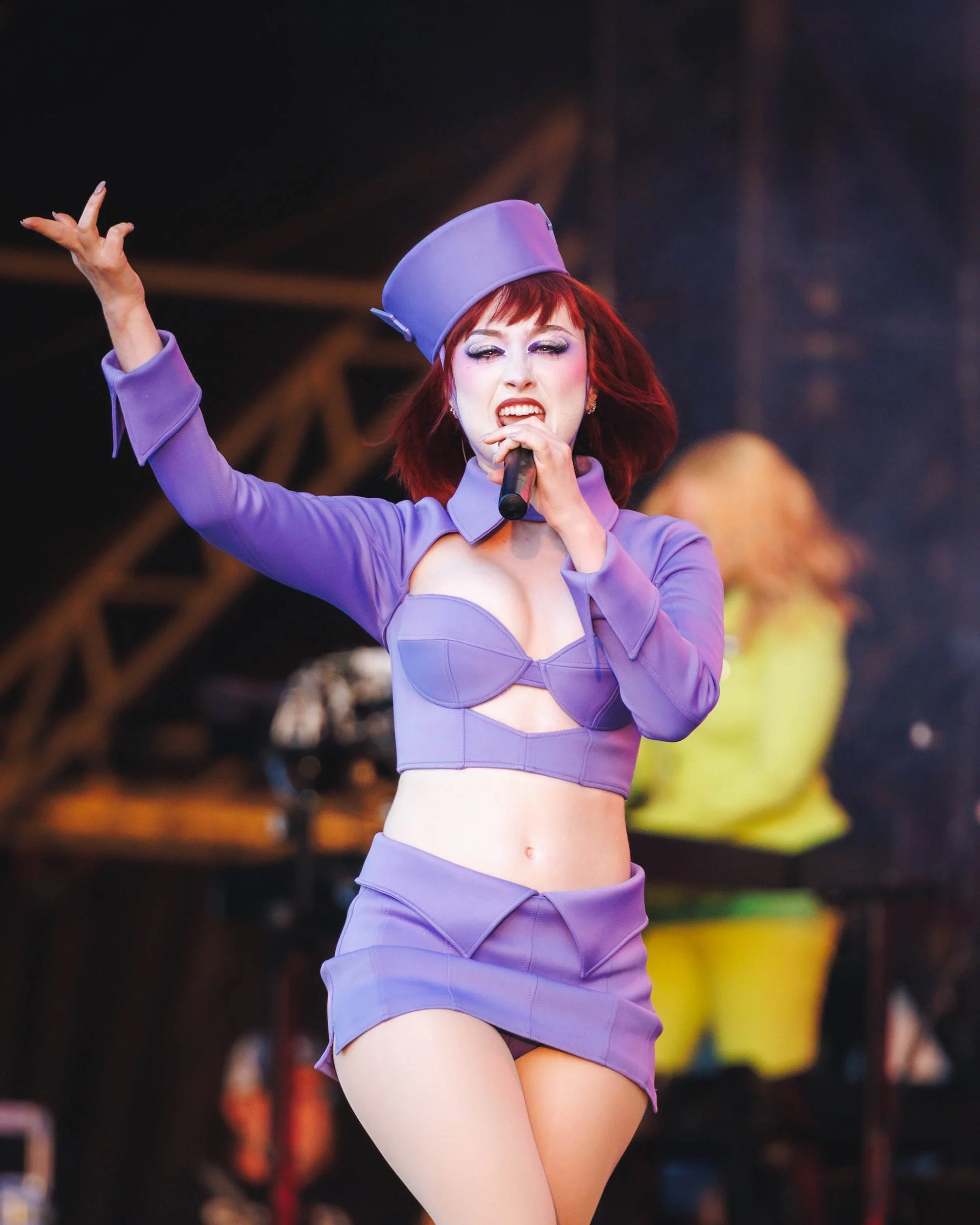
Photo Provided By Daisy Chain Fields
A WOMAN CAN BE ANYTHING—A pop star, a rockstar, sensitive, loud, emotionally complex, extremely delusional, cunning, fierce, unafraid. Built like a mother and a total machine.
Last Saturday was the inaugural Daisy Chain Fields at Irvine’s Great Park, a music festival presented by Olivia Rodrigo dedicated to supporting women and girls. The festival’s lineup was not only all women, but represented the diversity that women in music have to offer: Quiet Light, Eli, Rachel Chinouriri, Devon Again, Die Spitz, Santigold, Bikini Kill, Mitski, the Breeders, Doechii, Garbage, Chappell Roan and Not For Radio, with Rodrigo headlining the night.
The mission of the festival was unavoidable: all net proceeds of Daisy Chain Fields will be directly donated to 10 different charities supporting health, wellness and rights of women in the United States. A representative from each charity went on stage to share information about their non-profit before introducing the next performing artist. There was an entire tent, Daisy Chain Reaction, dedicated to learning and donating to the organizations. By the end of the night, Rodrigo shared during her set that not only had the festival raised $10 million, but Melinda French Gates would double the donation, bringing its total to $20 million.
Daisy Chain Fields was the first time I experienced women outnumbering everyone else at a music event. I was surrounded by women from every pocket of subgenre and counterculture, overwhelmed with diversity and joy. There were trad goths, punks, hippies, queens and divas, disabled women, trans women, mothers, children, teenage girls…it was every girl’s dream: to be surrounded by other women with the liberty to be your authentic self.
The festival is directly inspired by Lilith Fair, an all-women led tour across the U.S. started by Sarah McLachlan in 1997. Like Daisy Chain, Lilith Fair raised over $10 million for women’s charities and inspired industry-wide change for female artists. McLachlan attempted to revive the festival in 2010, but was challenged by the 2008 recession, resulting in underwhelming ticket sales.
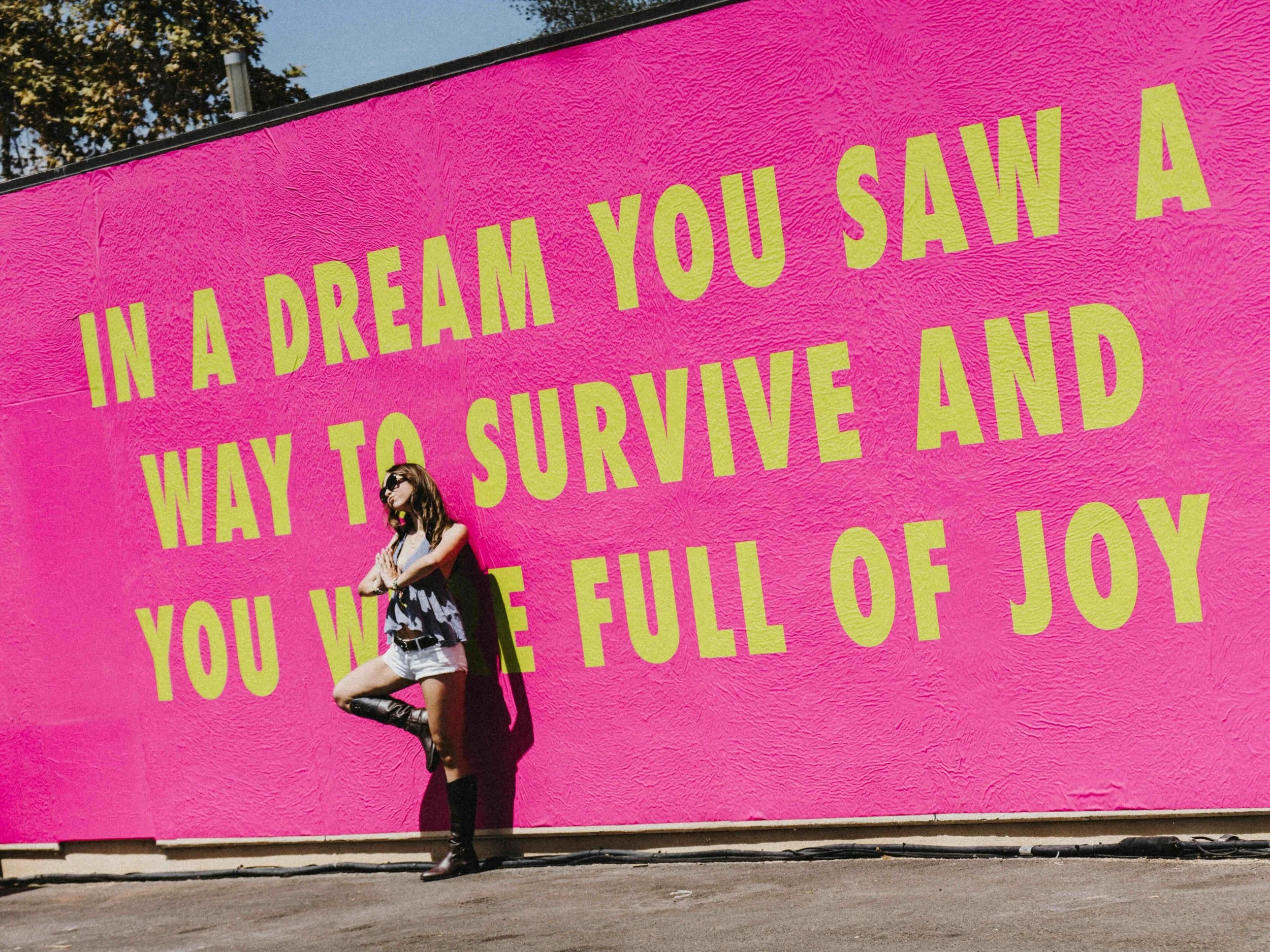
Photo By Marco Sevilla for The Luna Collective
“It needs to be someone of today, someone who’s relevant and coming up in the world, to champion something like this,” McLachlan told Vulture in May. “I’m happy to be a part of it. I’m happy to offer any advice if I can if I’m asked. But the younger generation needs to carry it forward now.”
A festival like this has been Rodrigo’s lifelong dream. She’s aware that if it had not been for the torchbearers of ‘90s female musicians, she wouldn’t have the platform she does today. In a cover story with Pitchfork, she said, “I just feel like we need something really positive to do and see, and young girls need awesome role models who are supporting other women and who are engaging in something that’s really joyful and musical and community-oriented.”
To say that Rodrigo pulled it off would be a severe understatement. Daisy Chain Fields had the influence and power of becoming a yearly devotion to non-profit work and celebration of women. Each part of the festival was crafted perfectly: the majority of food and beverage vendors were women-owned businesses. The activations felt like girls-day, sleepover activities—the Depop Oasis had custom stamp printing and a secondhand shopping wonderland. Etsy shop owners handcrafted stickers, pins and patches for a junk journaling station; they also offered temporary tattoos, hair tinsel and a bead fountain for friendship bracelets and pins.
Good causes didn’t stop at the non-profit organizations, either. Attendees could pick up a Rock & Recycle bag to collect cans and other recyclables around the festival to exchange for free merch. Everything was either recyclable or biodegradable, a nod to eco-consciousness that I couldn’t help thinking of while Irvine was doused in climate-change level heat. There were also art installations—from Jenny Holzer to Guerilla Girls to Yoko Ono—that were interactive and encouraged attendees to embrace a future of joy, write their frustrations about governments and patriarchy with chalk on a large wall or to tie their dreams to a wishing tree.
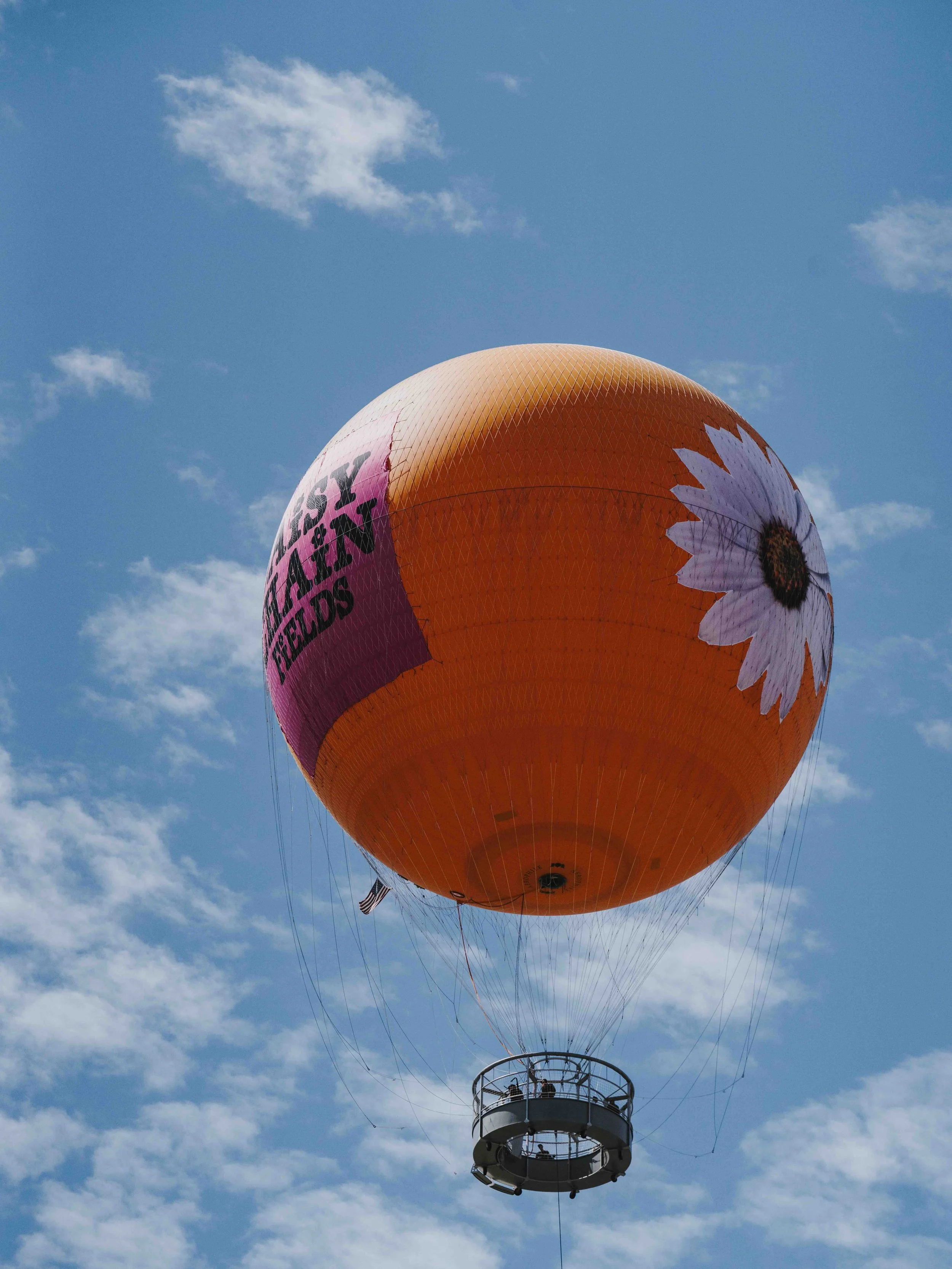
Photo By Marco Sevilla for The Luna Collective
Nothing captured the mission of Daisy Chain Fields more than the artists. Every performer and band had something to say. During Bikini Kill, after opening with the classic “Double Dare Ya,” Kathleen Hanna got on the mic: “So cool to not have to say ‘girls to the front,’ because y’all are already there.”
“My heroes, I can’t believe you have all been standing out in the heat all day. You are badass motherfuckers,” said Shirley Mason, frontwoman of Garbage. “To be included in this festival lineup is an immense privilege, and it’s not one we take lightly…Olivia, who’s put all of this together, has been galvanizing an entire generation of women to stand up for ourselves, to believe in ourselves, to not accept the status quo.”
Most impressive was the diversity of the lineup, shining a light on our modern day pioneers of female-fronted music. Doechii led an incredible set that captured all that a woman wants to be and to do—to dance, feel sexy, be bad, mosh, punch, and be aggressive. Chappell Roan performed a slate of her greatest hits, exuding a fierce confidence with songs that, despite being years old, haven’t aged a bit.
At the end of the night, Rodrigo debuted songs from her album you seem pretty sad for a girl so in love, performing fan favorites like “maggots for brains,” “stupid song” and “my way.” She brought out special guests Sarah McLachlan, who dueted “Angel” in tribute to the late Dolly Parton; Alanis Morissette (who replaced originally announced guest Karen O) and Rodrigo dueted “Ironic;” and Rodrigo closed her set with a sweet performance of “Landslide” alongside Stevie Nicks.
This was not your average music festival—rather than for-profit, brand- and influencer-led festivals like Coachella, the cause and the community was constantly at the center of everything. Rodrigo proves what power you can hold when you bring people together. At just 23 years old, she’s become one of the most influential people of our generation—not only through her music, but her impact. Daisy Chain Fields was nothing but inspiring, sparking a new event that will go down in history.
