
REVIEW: Varanda Takes an Oneiric Turn in ‘às vezes um sonho…’
REVIEW
REVIEW
☆ BY GIOVE PEREIRA ☆
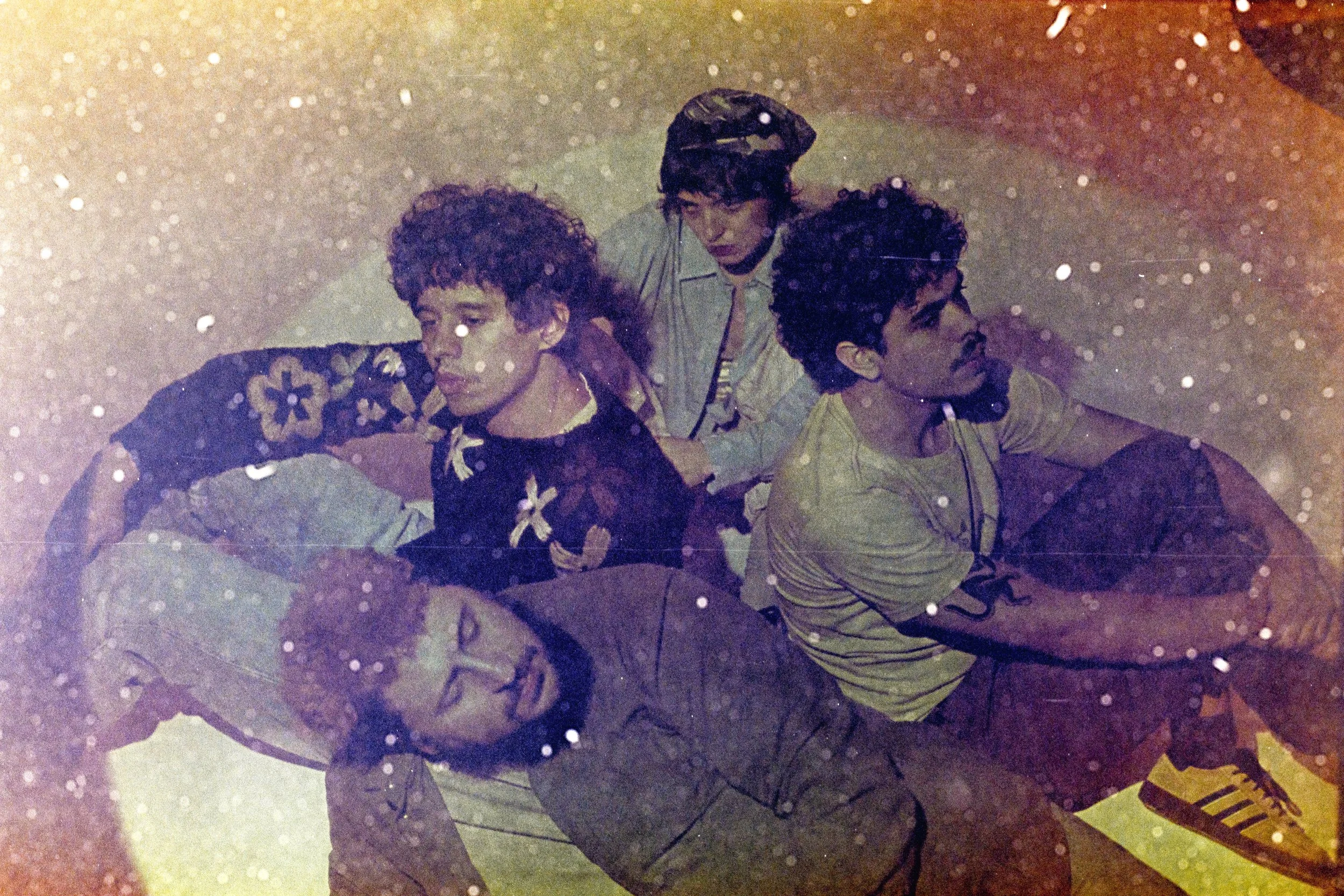
Photo by Yan Gabriel
IF MORPHEUS WAS IN AN INDIE BAND, THIS IS WHAT IT’D SOUND LIKE—At times a dream may be a whole planet or a song or a bed with goose feather pillows or a blackout or the big light in the center of this big tunnel in which we are undeniably unfailingly unrelentingly transient is the translated name of Varanda’s new album, shortened to às vezes um sonho… for ease. Coming from a small city in southeastern Brazil, the band has been gaining national recognition for their mercurial sound and lively stage presence. Their second full-length album, released through Selo Sesc Minas Musical, follows a well-received debut that landed them a spot in this year’s Lollapalooza lineup in São Paulo.
While Beirada (2024) alternated between post-punk proclivities, lounge pop and jazz rock, their newest album enters an oneiric realm on both a thematic and a sonic level. These genre-bending qualities remain, as dream pop elements that had been sparser in their previous work are now given emphasis. The ebb and flow of energy and styles in this work often mimics the vivid imagery evoked through its lyrics. It begins shyly, like the moon peeking through the clouds—as the band describes it—until the fluffiness takes on substance. There isn’t a linear crescendo throughout the tracklist, but a constant underlying softness that gives way to electrifying leaps and brief bouts of violence.
Às vezes um sonho… is reminiscent of various ‘90s acts such as Air, Yo La Tengo and Stereolab, as well as various Brazilian indie rock artists. In this cross-generational web of inspiration, bandmates Amélia do Carmo, Augusto Vargas, Bernardo Bara and Mario Ricardo collaborated with Fernanda Takai on the track “Sereno.” Best known as frontwoman of Pato Fu, Takai has been a recognizable voice in Brazilian indie since 1992. Her band is characterised by playful, unbound experimentation, which has resulted in an array of absurdist songs and earworms alike. In the span of two albums and one EP, the emerging Varanda have proven to be similar in ethos—and sometimes in sound—to their predecessors within the national scene.
