
REVIEW: Running in Every Direction — Inside Grace Cummings’ New Album ‘Bloodhorse!’
REVIEW
REVIEW
☆ BY ALYSA BENSON ☆
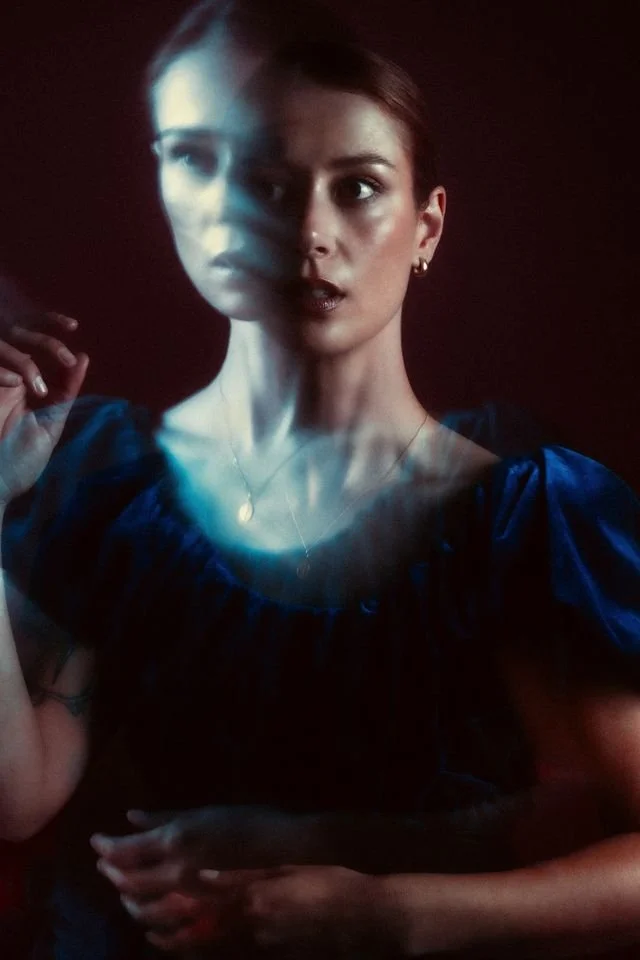
Jeff Andersen
GRACE CUMMINGS’ BLOODHORSE! IS AN ALBUM ABOUT RUNNING — Running from fear, numbness, vulnerability, the person you think you’re supposed to be, and sometimes yourself. Across 12 tracks, Cummings moves between explosive orchestral rock, dreamy piano ballads, jazz-inflected grooves and strange, unsettling detours, forming a body of work that is constantly shifting but never loses intention nor emotion.
Hailing from Melbourne, the singer-songwriter has spent her career stretching the boundaries between folk and rock, pairing the rawness of her songwriting with a theatrical intensity that makes every feeling larger than life. Following her critically acclaimed 2024 album Ramona, Bloodhorse! marks another expansion of Cummings’ musical realm, embracing a darker, more restless atmosphere. This realm will come even more alive on stage throughout her 2026 tour supporting the album. With the Australian leg of the tour already under her belt, Cummings will continue her powerful performances in both EU/UK and US cities.
The album’s singles offered an early glimpse into the range and unease that define Bloodhorse!. “My God” arrives with the pressured percussion and its infectious uh-huh-huh refrain, while Cummings’ battle with pneumonia during recording only further pushed her art. She experimented with her breath, giving the vocals an intense, gaspy quality. On “FAKE,” Cummings creates the sensation of being pulled under crashing waves as she utilizes droning effects with the synth, a new texture that broadens the album’s sound and energy. The title track establishes the record’s tension between outward strength and internal distress. Meanwhile, “I’m Not Crazy” takes a sultrier, slightly stranger turn, with Cummings’ withdrawn delivery embodying the “manic pixie dream girl” its protagonist desires—a theme in which we have all come in contact with, either through multiple forms of media or personal experience.
Moving into the new tracks of the album. Bloodhorse! opens with “The Hills are Alive with the Sound of Morphine,” an explosion of a song that’s wrapped up in expressive drama. The drama of it all is not superficial, however, it’s the exact opposite. The bold theatrics of the orchestral instrumentals and opera-like, swinging vocals don’t distract from the emotion of storytelling; they enhance it. The vivid opening woodwinds spike immediate feelings and a focus within you, leaving you unable to tell if you’re anxious or excited. From there, Cummings grabs you by the shoulders with the song’s operatic rock, raspy high notes, choir-esque backing vocals and barbed texture of electric guitar. Even on the track’s surface level, it’s simply an exciting piece of music; a classic, nostalgic mix of all the drama-rock ballads that we can’t help but feel mesmerized by. But Cummings makes it even more thrilling with her distinct level of emotional introspection and awareness, swirling that with strong, organic musicality to heighten every feeling to a hundred. The dragging, rough electric guitar solo mirrors the lugging numbness that surrounds the song’s story, while each full, intense instrument and lyric evokes a spark that settles into your skin and doesn’t leave for the entirety of the album.
That emotional intensity gives way to the third track, “Paradise,” whose soft yet somber piano opening acts as a tender palette cleanser without pulling you out of the album’s emotion-filled atmosphere. In only a minute and thirty seconds, Cummings still manages to entrance you with her pulling, magnetic voice. There’s an elevating effect when the bass drum adds in its slow drive, mirroring a steady heartbeat as the song exhales.
Now, I can’t dive head first into this album without talking about the title track, “Bloodhorse!,” considering it gives the record its central metaphor and emotional vocabulary. Cummings is the bloodhorse: waiting in the stalls, full of anxious buzz, powerful and vulnerable, unable to rest. The song’s tension comes from feeling trapped inside your own momentum; when everything inside you is running in the opposite direction.
Then, almost cruelly, the album gives us “Bloodhorse! (take two),” describes as “A stomach-curdling, 45 second, AI-generated bro-country fever dream.” It is uncanny, uncomfortable and deliberately jarring. Rather than simply extending the title track, it distorts its world into something artificial and utterly eerie. “Bloodhorse! (take two)” turns the internal discomfort from “Bloodhorse!” outward, presenting an intentionally alienating version of deire and objectification.
“John Lennon” explores a new kind of intimacy. “John, can you hold me like a baby? / ‘Cause I don’t wanna be alone / Runnin’ on my own / We’re getting old, and our bodies are aching” captures the emotional interweaving at the heart of the track. It’s the love and adoration you put into an out-of-reach icon when you’re younger, and the desire to feel that same level of awe and admiration for something and someone when you’re older. The repetition of “John, John / Lennon, Lennon” feels like the obsessiveness you can have as a child over your favorite musician, actor or character. There is something floaty and slightly delusional about those thoughts that used to whirl around our heads, providing us with a certain warmth and comfort we couldn’t get from everyday life around us. “John Lennon” takes that childhood admiration and lets it coexist with the nostalgia of adulthood.
That childhood admiration darkens on “WITCH! WITCH! WITCH!,” where the psychedelic 70s rhythm and electric guitar give way to a much more primal fear. “I’ve sold my soul to the reaper man / Dancing into the palm of his hand” sounds playful on the surface, but the song is steeped in the fear and sudden awareness of death that ignites in our consciousness on a random day as a child. Aware that her new worry of death may only be seen as difficult to her parents, Cummings chose to keep it inside and claimed her fear resided in witches, a more likely fear for a child. The instrumental break in the track begins with piano, brings in the snare drum and quick plucks of guitar, and then expands with bright chants of “la la la’s” with the cheer of the saxophone accompanying it. The result is a feral collision of childhood imaginative curiosity, mortality and rock n’ roll wildness.
On “My Island and Me,” Cummings’ voice sounds depleted, yet determined, as if she’s pushing her inner will to keep going. A James Bond-esque feeling to the deep, jazz atmosphere enforcesthe internal strength in having the power to be alone and to rely on yourself despite the loneliness and isolation. She can only depend on herself and her “island.” The musicality feels like the realization that sometimes independence is less about wanting to be alone than understanding that you can survive there.
This realization develops into the cathartic “The Magnum Opus of The North is a Cowboy Boot.” Cummings belts float above smooth electric guitar and vital drums as she keeps moving despite intruding outside thoughts and opinions. The song is aimed at the kind of man “who cosplays as tortured poets or cowboys, pretending to be disaffected,” but its deeper, introspective target is Cummings herself and the identities she has molded herself into along the way. The track’s catharsis comes from recognizing that behavior and beginning to move beyond it.
As we settle into the closing song, “See You in Fifty Years,” we not only feel more in tuned with Cummings and her story, but also with our own emotions and experiences. The steadiness of the piano makes way for the sense of play that arrives with the upbeat energy of the drums after Cummings softly, curiously sings, “I’ll see where you’re at in fifty years / See what kind of people we’ve become.” The song transforms the future into something worth inquiring about. It feels like a love letter to the curiosity of what will be, one that people can take and apply to their own life.
Bloodhorse! is brimming with force, exploration, theatricality and a certain self-reflection that may make you shift uneasily in your seat. Its songs move from numbness to childlike awe, from dependence to independence, from borrowed identities to the possibility of becoming your own person. It’s an everlasting listening experience that allows you to get in touch with every emotion, no matter how uncomfortable.
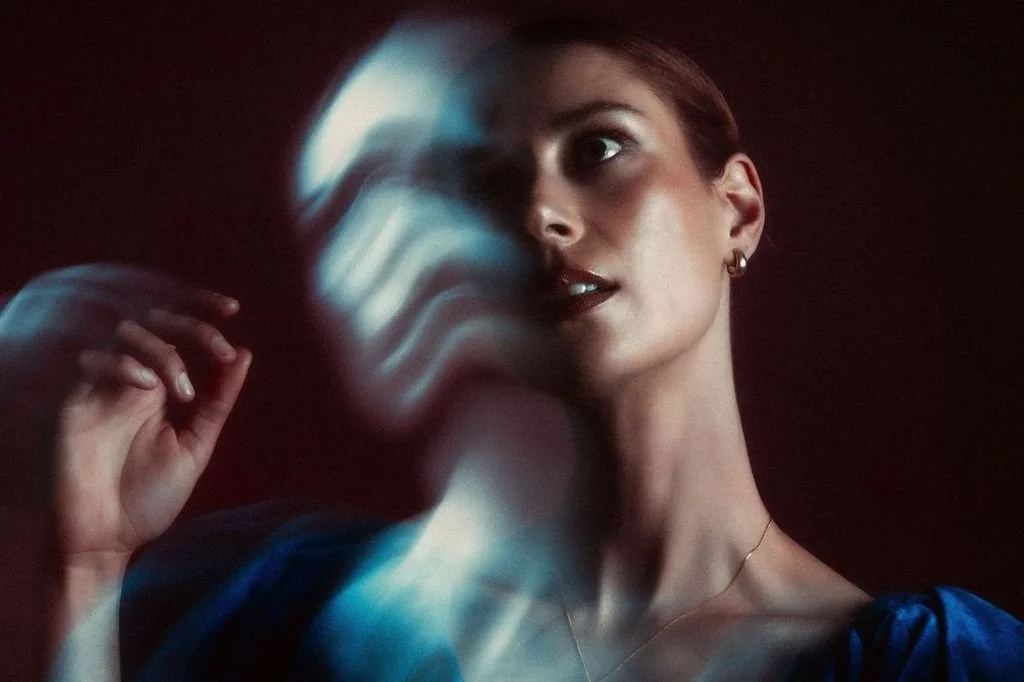
Jeff Andersen
